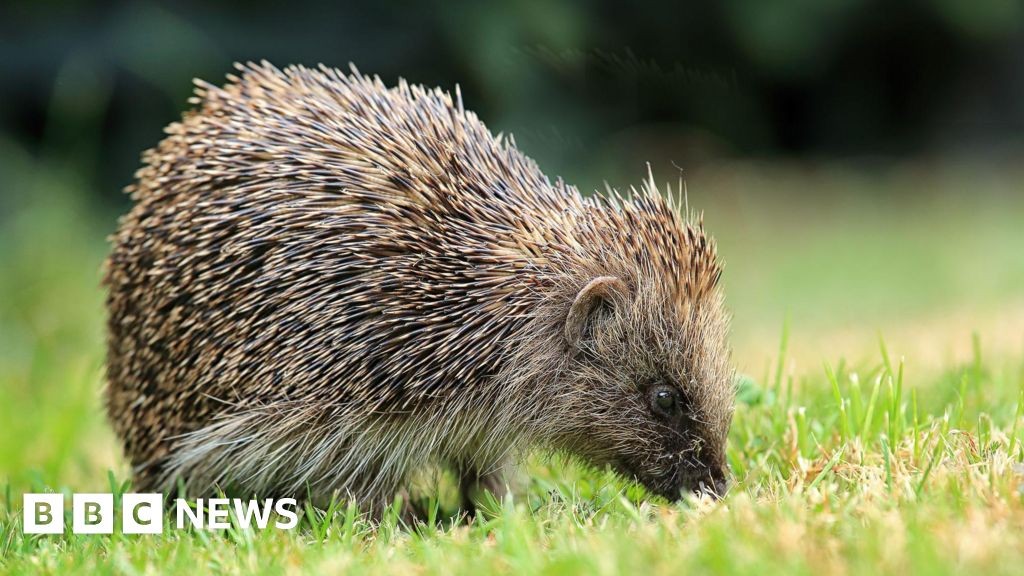
Cambridge researchers are staring at satellites to save the British hedgehog. It’s not a metaphor.
Using an AI tool called Tessera, they are mapping the country from orbit. The goal is precise: find where these spiny mammals live and watch, in real time, where those habitats vanish. The maps are unnervingly detailed. We are talking about individual hedgerows.
Cloud cover? The AI predicts hedgehog-friendly zones hidden from view.
It’s about barriers. Not just where the creatures are, but why they can’t find mates. Why they starve.
“We’re really hoping is that we can understand what are the very specific barriers.”
— Prof Silviu Petrovan
Digi-hogs and Data Crunching
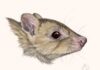
The situation is dire. In the UK, rural hedgehog numbers dropped by 75% between 2000 and 2022. A seventy-five percent drop. The species is listed as Near Threatened globally.
Petrovan remains optimistic. He calls tracked animals digi-hogs. They carry tiny GPS backpacks, physically strapped on like miniature hikers. This data feeds into the broader model, combining physical tracking with orbital observation. It happens in Northern Ireland too, but this specific project ties space data to ground truth.
Here’s the rub though. Or maybe the hook. To train Tessera, the team needed massive data. We are talking 20 petabytes. That’s roughly 10 billion digital photos.
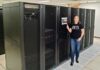
They ran out of university computing power. Literally. Researchers installed extra processors under their own desks just to keep the model training. They had to beg US firms AMD and Vultr for more infrastructure. It was frantic, grassroots infrastructure work disguised as high-level academia.
The Power Paradox
Is this efficient? Or just energy-heavy?
Some conservationists are uneasy. They point to the electricity consumption of these models. Using power-hungry AI to protect nature feels contradictory to some. It raises valid questions. Can we afford to burn more energy to save species?
Tessera isn’t just for spiky pets, either. The open-source system has attracted over 100 research groups. Anil Madhavapeddy uses it to map UK agriculture. It identifies which crops grow where, across years. It simplifies noisy, complex satellite imagery into clean maps.
“Satellite data is really complicated and noisy,” Madhavapeddy said. You have to strip clouds, adjust for light, deal with day and night cycles. Tessera does that heavy lifting. It compresses the chaos into something you can query.
So now we have the map. We know the barriers. We see the crops. We see the housing developments creeping into habitats.
But seeing isn’t solving. We have the tools. The questions remain open. And the processors under the desk are still running. 🐹🛰️