An early study just dropped a curveball.
A standard asthma drug, montelukast, might help tackle cancers that usually shrug off treatment, specifically triple-negative breast cancer. It sounds too easy, maybe too convenient, but the mechanism holds up under initial scrutiny.
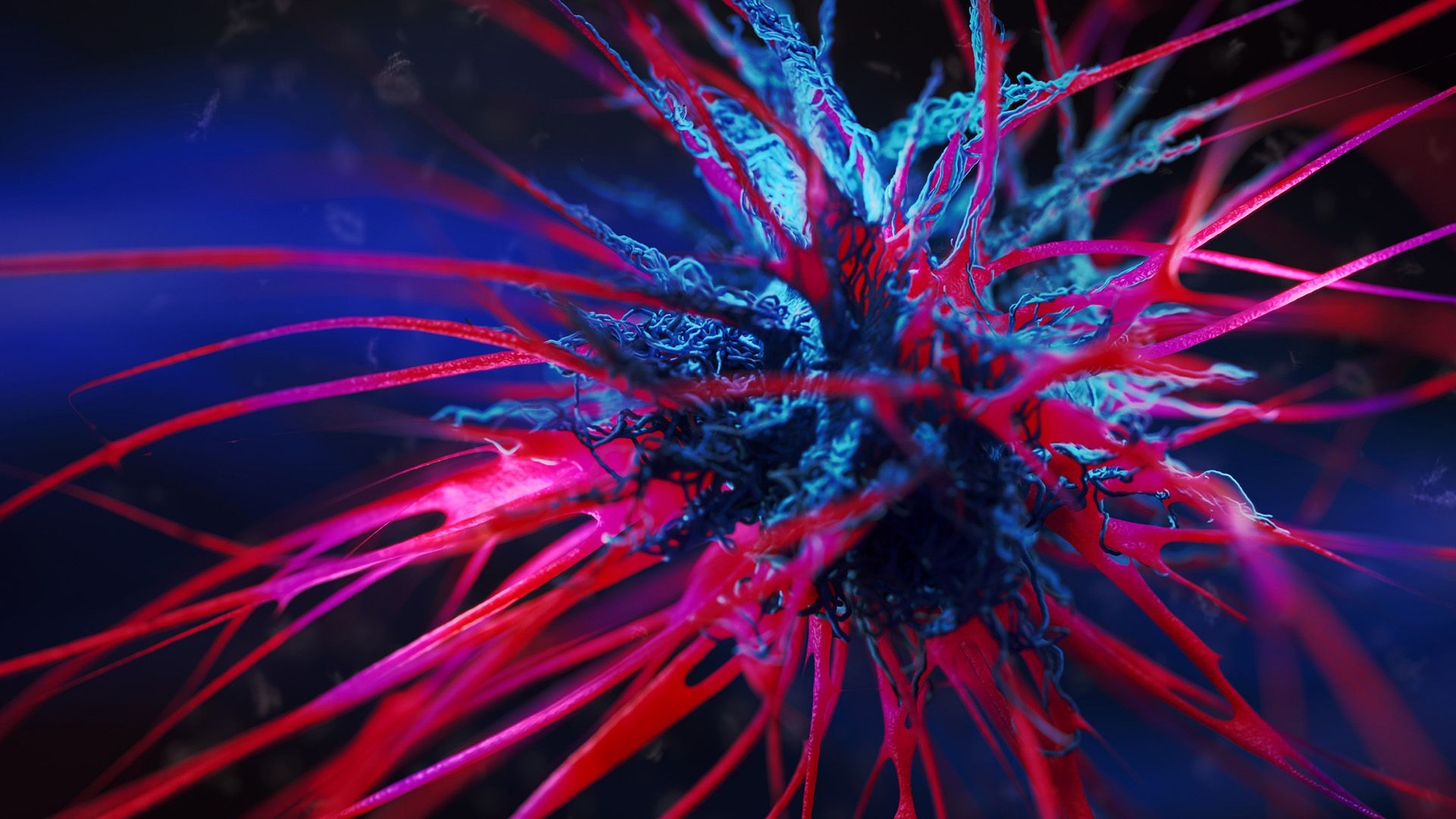
Here is the gist: tumors hijack a protein called CysLTR1. This receptor lives on many cells. The cancer uses it to trick immune cells into sleeping on the job. Specifically, neutrophils.
You can repurpose these drugs to reprogram those neutrophils… essentially sensitizing tumors to immunotherapy. – Dr. Bin Zhang
Normally, neutrophils hunt cancer. They rally troops. They boost therapy. But when tumors manipulate the environment via CysLTR1, these cells flip. They stop killing. Instead, they release chemicals that help cancer spread and hide. They build a shield for the tumor.
The problem is widespread. Immunity is tricky. Resistance is common.
Dr. Bin Zhang, from Northwestern University, leads this research, published recently in Nature Cancer. His point is sharp. Patients stuck in resistance limbo have few options. Montelukast changes the board.
How It Works
CysLTR1 normally helps with infection. It recruits defenders. It triggers coughs to clear bugs. Useful stuff. Until it isn’t.
In asthma, we block CysLTR1. We stop the wheezing. The FDA approved montelukast for this way back in 1998. It is old hat for allergy sufferers.
The new twist? Cancer cells love CysLTR1 activity.
Tumors release cytokines and leukotrienes. They tell neutrophils: “Be bad.” The neutrophils comply. They help the tumor invade. They stop other immune cells from doing their job. It is a full-on betrayal by the body’s first responders.
Zhang’s team turned this around.
In mice, they blocked the receptor. Two ways. One genetic switch off. Two, the pill. The result was dramatic.
- Tumors slowed down.
- Mice lived longer.
- Immunotherapy suddenly worked.
It worked on breast, colon, and melanoma models.
Checkpoint blockade therapies usually fail on triple-negative breast cancer. Combine that failure with montelukast and the tumors shrank.
“We see beautiful results,” Zhang said. He likes that. Survival rates ticked up across the board.
Human Proof and Real-World Hurdles
Mouse data is exciting. Human blood data confirmed the suspicion. Blocking CysLTR1 in human samples stopped neutrophils from turning into traitors. They stayed killers. The genetic pathway matches up between species.
Big data sets backed this too. Patients with high levels of the receptor? Worse outcomes. Worse response to current immunotherapies. The marker predicts failure. That makes it valuable.
Shakti Ranjan Satapothy from Lund University called the work “timely.” He was not part of the study, so his praise carries weight. It moves the needle.
Zhang wants to move fast.
Clinical trials are next. He hopes to use existing drug infrastructure to get there. Since the med is already FDA-approved for asthma, some hurdles vanish. Screening patients for the receptor could predict who will fail standard treatment. That is a functional biomarker. A tool doctors do not currently have for this specific resistance pattern.
Don’t Get Ahead of Yourself
There is a catch. Or at least a caution sign.
‘Quickly move into trials’ is not ‘ready for routine use.’ – Shakti Ranjan Satapaty
Satapothy is right. Just because the drug exists does not mean it fits perfectly. Dosing for cancer differs from asthma. Side effects matter.
Montelukast has a dark side. In 2020, the FDA issued a boxed warning. Neuropsychiatric risks. Suicidal thoughts. Mood swings. Not trivial stuff.
One in five asthma patients might skip it because of the mental health toll. Can cancer patients risk that? Maybe not.
Zhang admits the concern. Antibodies targeting the receptor directly might be safer later on. Less chemical baggage. No brain fog. But that requires years more R&D.
For now, we wait. The science is promising. The logic holds. Whether it saves lives or just adds another complex layer to oncology remains the open question.