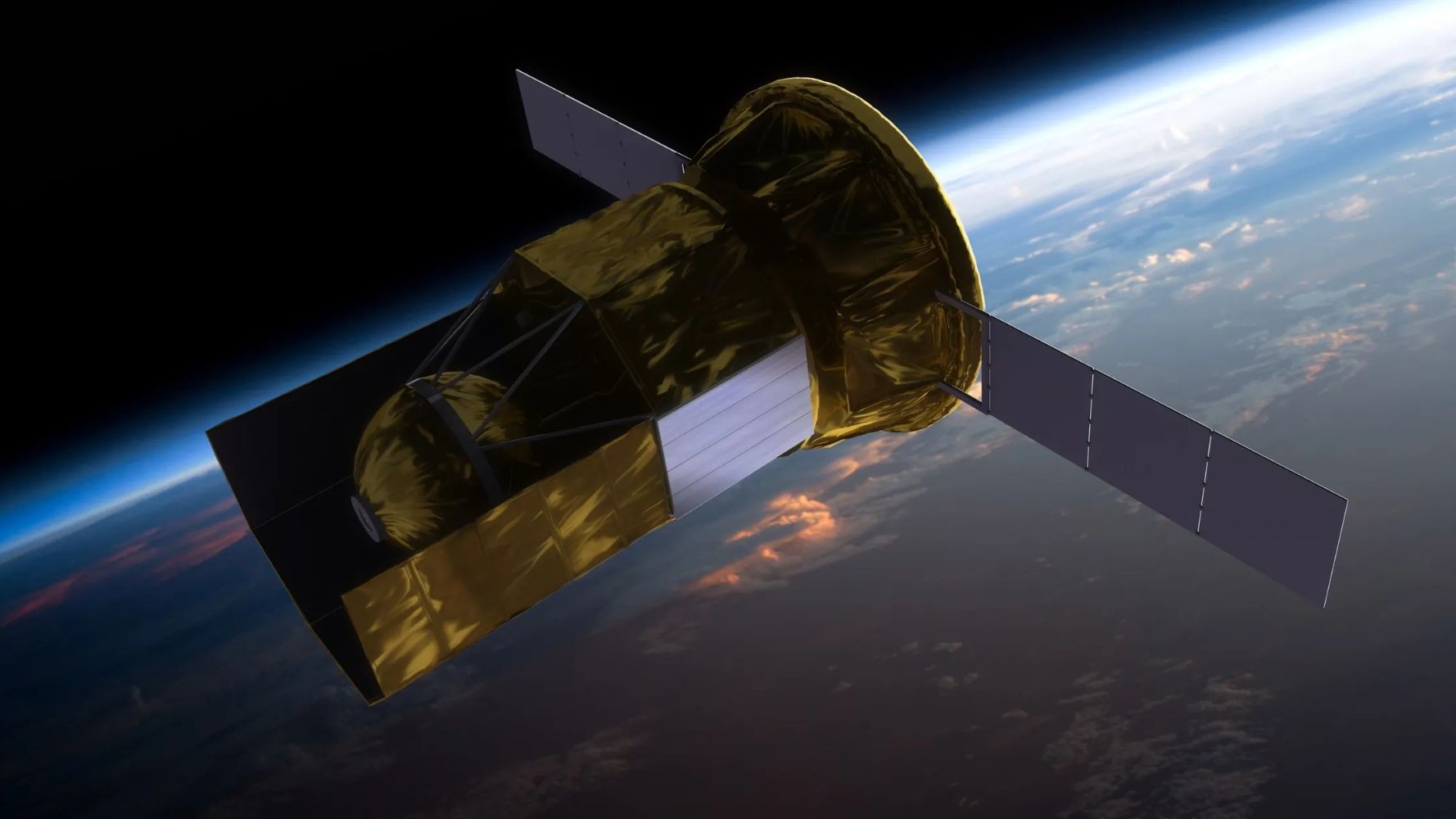
Orbit is cold. Not just chilly. Freezing. And keeping fuel liquid in that vacuum is hard. NASA knows this. They’re sending a satellite called LOXSAT up to Low Earth Orbit (LEO) to prove we can store and move super-chilled cryogenic propellants.
It launches later this year. Maybe as early as July 17. It will hitch a ride on a Rocket Lab Electron from New Zealand, attached to a Photon satellite bus.
The mission lasts nine months. During that time, it tests eleven different components related to cryogenic fluid management.
Why?
These depots are “essentially gas stations in space”
That’s how NASA puts it. They want to support long-term exploration. The Moon is close. Mars is farther. Both require fuel you can carry. Or refill.
The Freezing Problem
Cryogenic fuels boil if they aren’t kept at tight temperature controls. This applies on Earth. It definitely applies in microgravity. Storing them is tough. Transferring them between vehicles is tougher.
Eta Space of Florida built LOXSAT for NASA. It’s part of the Tipping Point initiative. NASA picked fourteen companies through this program to help hit Artemis goals. Specifically, they want sustained operations on the Moon by 2030 Managing fuel is central to that.
Landers Need a Fill-Up
Artemis has two landing contractors. Both need cryogenic propellants. Both need refueling in orbit before they land on the Moon and return to lunar orbit.
SpaceX uses Starship. It burns liquid methane and liquid oxygen. That’s methalox. Blue Origin uses the Blue Moon lander. It burns liquid hydrogen and liquid oxygen. That’s hydrolox.
Neither has proven it can store these super-cold fuels for long periods. Neither has shown they can transfer them. LOXSAT might be the first to demonstrate this capability.
Current Status
Both landers are still working it out.
SpaceX’s Starship is getting ready for its twelfth test flight. May 20 is the earliest date. This is Version 3. It’s the first design iteration built to eventually show off on-orbit refueling capabilities. If it works, testing cadence picks up. If it fails? Delays. For Starship. And potentially for Artemis too. Seven months passed since the last attempt. Time matters.
Blue Origin isn’t faring perfectly either. The New Glenn rocket is grounded. Its second stage had a mishap recently. It failed to put a payload into orbit. The FAA is investigating. Blue Moon Mark 1 is the cargo variant of the crew lander. It was supposed to demo a lunar landing later this year. Now? Pending.
The Timeline
Artemis 3 targets late 2027. Four astronauts will fly to LEO. They’ll practice rendezvous. They’ll dock with Orion and whichever lander is ready. SpaceX or Blue Origin. NASA said they’ll pick whoever flies best when the time comes. Even if it means leaving the other company behind on Earth.
By then LOXSAT should have finished its job. Assuming it succeeds it provides data. Scientists from Marshall, Glenn, and Kennedy Space Centers watch the numbers. The goal is orbital refueling stations. For Artemis. For Mars. For anywhere else we might go.
Will the data arrive in time?