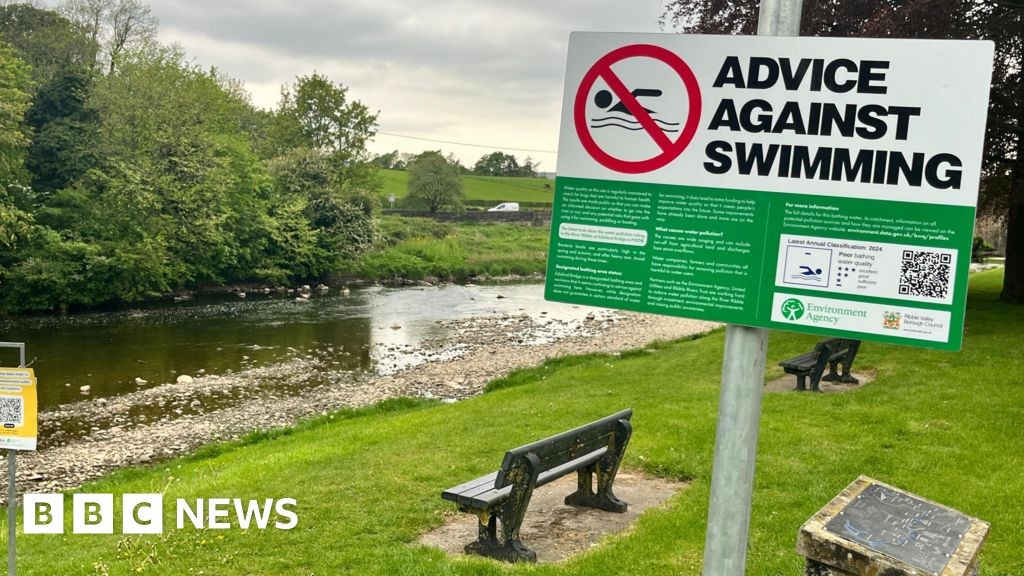
Twelve out of fourteen sites say no.
The signs are there, bold and unforgiving. “Don’t swim.” It stands at nearly every official inland river bathing site across England. Why? The water might actually kill you. Or at least give you a stomachache worse than your worst hangover.
The government just added six new sites to the list of monitored locations. This is their first summer. One is in London. On the Thames. You heard that right.
Last week the BBC walked all 14 existing sites. Tested by the Environment Agency the previous year. The results were brutal.
Only two places made the cut. The River Stour in Suffolk. The River Thames in Oxfordshire.
The other twelve? Rated “poor”. Bacteria levels linked to human and animal waste were sky high. Stay out, the authorities said. And most people did. Or at least, they should have.
Now there are more than 460 tested spots nationwide. Most are on the coast. Tidal estuaries count. Freshwater lakes are creeping up on the list. But rivers? They remain a hazard zone.
To become an official bathing site, a river isn’t just pretty. It needs crowds. It needs nearby toilets. It needs bodies in the water.
Coastal water usually clears itself. Rivers do not.
Sewage leaks. Agricultural runoff flows downstream. It piles up. It waits for you.
The Strange Logic of Designation
Campaigners call the system broken.
Getting a river designated as a “bathing site” forces regular testing. That testing forces water companies to act. It is one of the few levers left.
Doesn’t that seem upside down?
We are turning polluted streams into tourist destinations to make them safe.
“It’s bonkers,” one activist said. “The only way to clean a river is to make it a swimming spot.”
Water Minister Emma Hardy likes the narrative. She called the new sites a “boost for local tourism.” Greater confidence for swimmers, she promised.
The water companies didn’t buy it.
Water UK told the BBC the government is confusing the public. Mark a place as safe for swimming before you fix the pipes. Then wonder why people get sick. It’s bad strategy. And dangerous.
Swimming in the Wharfe
Look at the River Wharfe in Ilkoly, Yorkshire.
It was the first river designated a bathing site. In 2020. It remains the test case.
When it rains? Disasters.
Karen Shackleton from the Ilkley Group watched the data. Tens of thousands of E.coli cells per 100 milliliters.
The safety threshold is 900.
“Swimming in other people’s poo,” said fellow campaigner Di Leary.
Then she jumped in.
Ilkley has rated “poor” every single year since designation started. Yet they stay hopeful. Yorkshire Water is spending £60 million now. A huge investment. Aimed at stopping the sewage flow.
“This wasn’t about wild swimming,” Karen explains. “It was about forcing the Environment Agency to show up.”
They don’t test rivers otherwise.
If the agency finds poor water? The money follows. The pressure builds. The company fixes it.
Is that crazy?
“A Catch-22,” Di says. Karen nods. “Disgustingly bonkers.”
The Five-Year Gamble
Over in Shropshire, Alison Boudolph sees it differently.
She got three sites designated. Two on the Severn. One on the Teme.
All three are currently rated “poor.” Signs everywhere warn against swimming.
Alison swims anyway.
She convinced the reporter to jump in too. The trick? Timing. Don’t swim after heavy rain. Wait it out.
“Maybe five years,” Alison said. “That’s when you see change.”
Right now, an underwater sensor sits downstream. It tests the water hourly. Every day. This data triggers funding. It forces the water company to look at its own pipes.
Salt vs. Fresh
Officials at the Department for the Environment say it is physically harder to clean a river than the ocean.
The sea is vast. It disperses waste. Salt disinfects.
Rivers are tight corridors. Connected directly to sewage plants. To farm fields. No space to dilute the poison. No natural purification process.
The water stays dirty until we force it not to.
The new sites go live this summer.
People will swim.