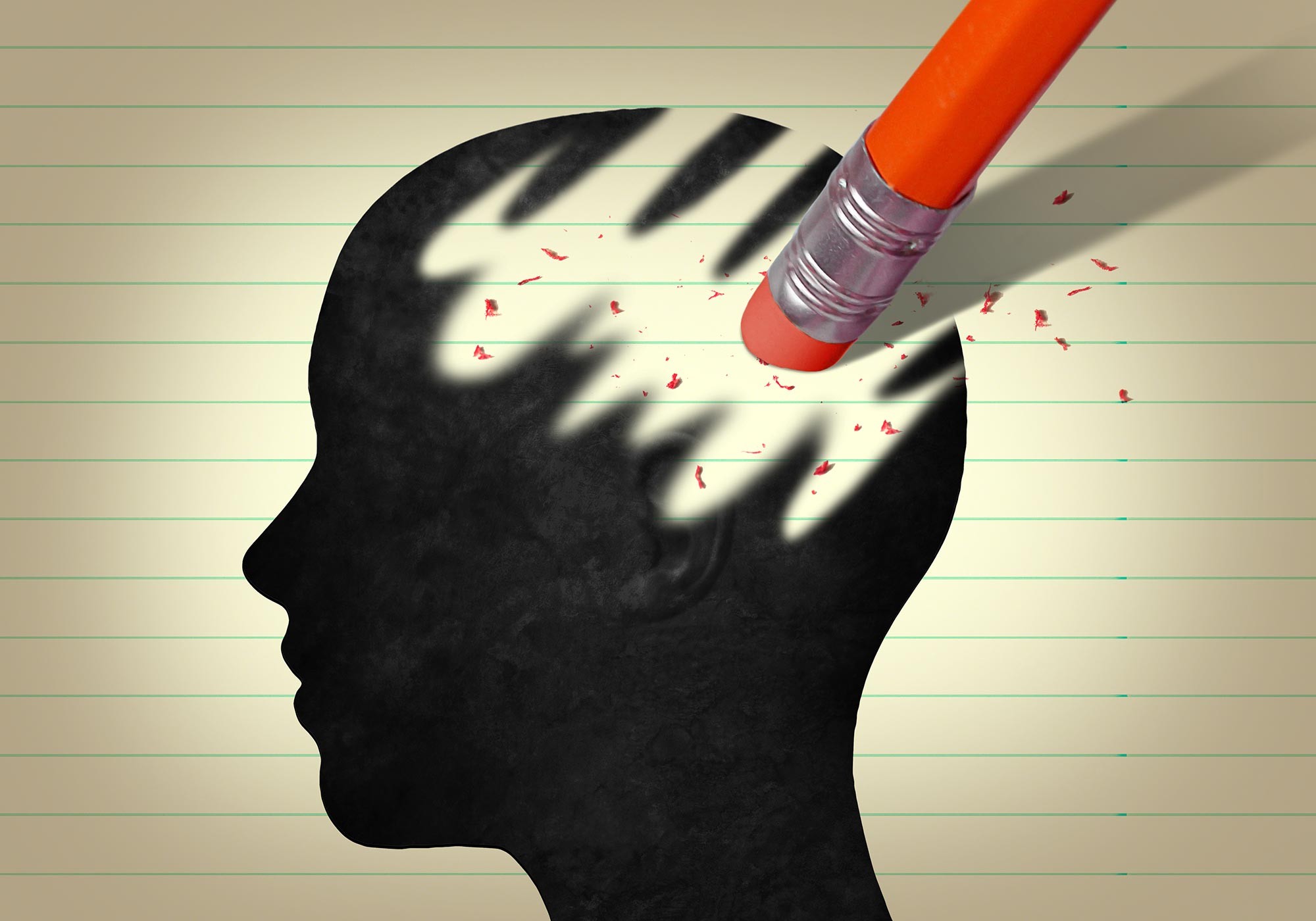
Alzheimer’s is nasty.
The brain rots. Proteins tangle. Tau proteins misbehave, clumping inside cells while amyloid-beta plaques calcify the gray matter outside them. It’s the most common form of dementia. It ruins lives.
Scientists have long known that lithium works. Well. Kind of.
In lab dishes and mice, salts like lithium chloride knock down that bad Tau phosphorylation. It stops the tangling. It looks promising on paper. So they tested it on people. And the results? Meh. Some studies showed improvement. Most showed nothing. A few suggested harm.
Why?
Inorganic lithium salts get stuck.
That’s the core issue. A recent US study found that standard lithium salts—chloride, carbonate—they don’t stay in circulation. They get trapped. Sequestered by those amyloid plaques. The drug hides inside the disease it’s trying to fight. It’s bioavailability suicide.
This might explain the clinical noise. The mixed signals.
Organic salts? Maybe they bypass this trap. That thought alone could revive interest in lithium treatments. It forces us to look closer.
The UEF Angle
Researchers at the University of Eastern Finlan wanted to know how lithium actually touches these pathways before the body possibly buries it in plaque. They looked at cell models. They added lithium chloride. They ran the proteomics.
As expected. Lithium reduced phosphorylation at known sites.
But here is where it got interesting.
It didn’t just fix the obvious stuff. It touched new phosphosites. Sites no one was watching before.
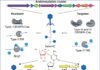
Usually, we blame GSK-3β. This kinase is a known jerk in Alzheimer’s brains, overactive and aggressive. It drives Tau abnormality. Everyone targets GSK-3β because lithium inhibits it. It’s textbook.
Lithium chloride might not be playing by that book anymore. The data suggests it influences other kinases too. Multiple ones.
And then there’s the Rho GTPase pathway.
Lithium alters this signaling track significantly. Some Rho GTPases are linked to AD pathology already. Their increased activity is part of the chaos. Others? Unknown territory. But lithium is messing with them all.
What Now?
The team at the UEF Bioinformatics Center is careful. Dorit Hoffmann and Virpi Ahola didn’t declare victory.
They identified new sites. They predicted kinetic changes. They noted the Rho shifts. But the roles remain unclear.
Professors Mikko Hiltune and Annakaisa Haapalsao added a layer of caution. Different lithium salts act differently. We don’t really know enough.
It’s not just about finding a drug that works. It’s about finding one that reaches its target without getting buried in a plaque.
Maybe we need better analysis. Maybe we need new compounds. Or maybe the old ones were just poorly deployed.
The machinery is complex. The traps are real.
Who knows what the organic salts will do next? 🧬