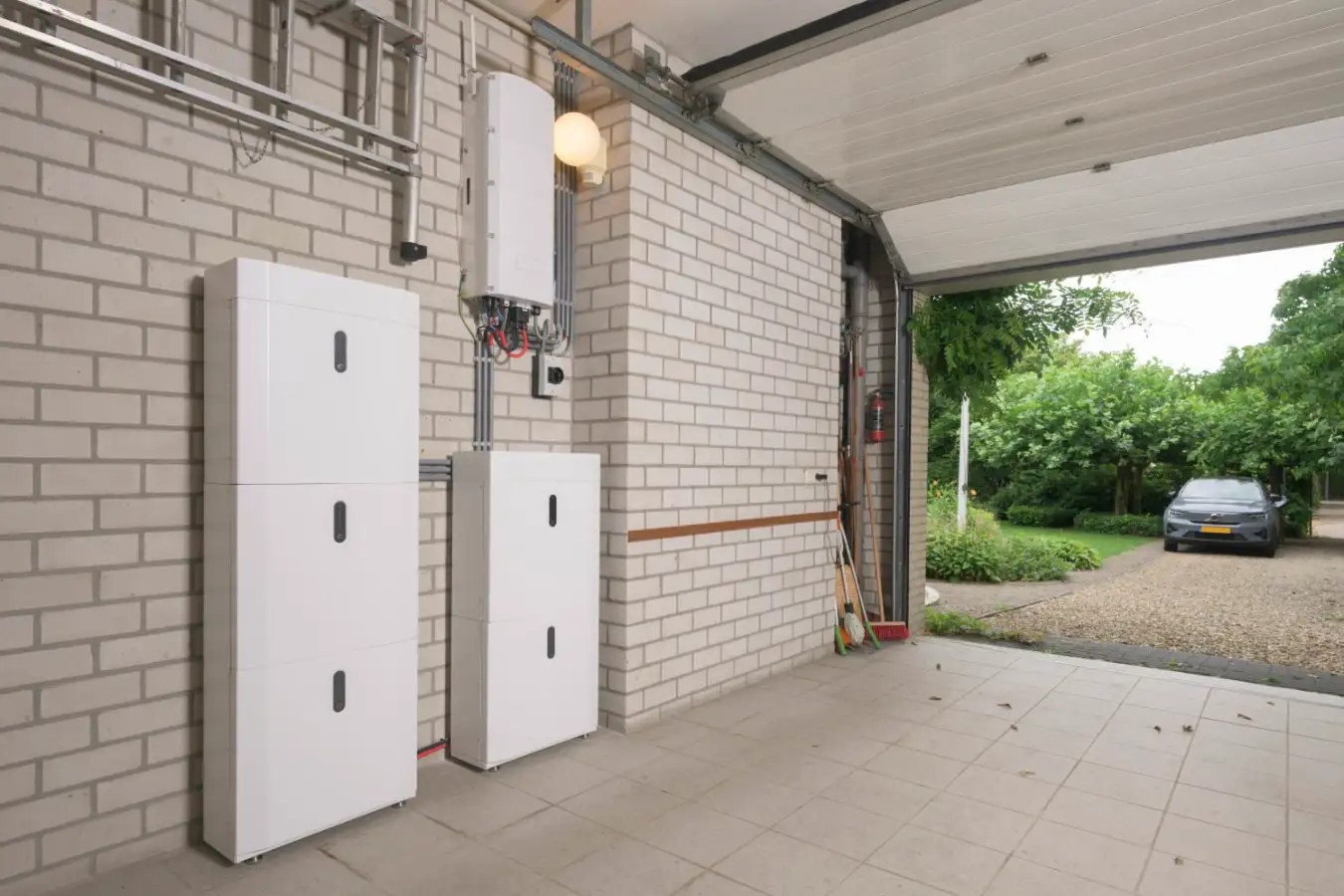
Think green energy and your brain goes straight to rooftops covered in glass panels. Fair. But what if the real mover and shaker isn’t up on the tiles but tucked in the closet.
Suitcase-sized batteries. Cheaper than solar for the planet right now. And maybe for your wallet too.
Rooftop solar is growing, sure. But storage? Storage is the world’s fastest-expanding power tech, says the IEA. Home batteries are surging. They power houses and sell scrap energy back to the grid. Mostly paired with solar. But not always. With energy bills climbing, folks are buying just the bricks. No panels.
Now the rules are shifting. Plug-in models. No electrician needed.
That changes everything, says Iain Staffell from Imperial College London. Low-cost units you plug into the wall like a lamp? That is the next rooftop solar.
The numbers back him up. Last year the UK installed batteries in over 40,000 spots. Homeowners and small shops. Nearly double the previous record. Look at Octopus Energy. From February to March? Installations doubled. The Iran conflict shook energy supplies. Britain’s regulator raised price caps. People panicked. They bought batteries.
In the US installations jumped 75% in 2025 even as solar growth slowed. Germany? One in six homes has a battery. That is over 2 million units. China and Australia are running fast too.
Here is the money trap. Variable tariffs are brutal.
You can charge your battery in the afternoon. Nighttime costs pennies. In Britain we talk about 5 pence per kilowatchour. Cheap.
But evening? Peak hours from 4pm to 7pm hit 40 pence a kilowatchour. Hot summer? Air cranks on. Prices near 50 pence. The spread is huge.
Homeowners spend around £9,400 today for a system. Heavy.
Octopus is changing the play. Their upcoming plug-in unit? Shoebox size. 2 kilowatts stored. Enough for a fridge for a couple days. Price tag under £300. It lands in 2027 if regulations allow it.
Phil Steele from Octopus is blunt. Two to three years payback. That should make it a no-briner.
And it helps the air.
Batteries pull demand down during peak times. Utilities burn less gas. On windy sunny days with low demand the grid runs nearly 100% zero carbon. Storing that excess helps more than generating extra power no one needs.
Last year the UK paid wind farms £390 million to shut down. Too much energy for the grid. Waste. Batteries could have caught it. If half of British homes held a 5-kilowhour battery it would meet the whole 2030 storage target. The goal usually relies on massive industrial grids.
As solar and wind dominate the mix balancing the grid gets harder.
“Solar is better now but five years out? Batteries take the lead,” says Staffell.
Then comes the catch. Manufacturing.
Making lithium-ion batteries dirties the air. Roughly 150-200 kg of CO2 per kilowatt capacity. Same as driving a car a thousand kilometers.
Aritra Ghosh at Exeter worries about this carbon debt. Also the end game. Batter last maybe twelve years. Recycle infrastructure? Barely exists. We will be drowning in old batteries soon.
Decarbonizing heavy industry in China would drop the footprint. Right now we aren’t even close to that dream.
So we wait. For cleaner factories. For cheap plug-ins. For the grid to stabilize. Or it destabilize further.
Which will we prioritize