The Bottleneck Is Real
We keep talking about fusion energy like it’s tomorrow’s utility bill. Clean. Endless. The holy grail of physics.
It’s not happening yet. Mostly because we can’t get enough fuel. Specifically tritium. A radioactive hydrogen isotope. Rare. Unstable. Decays in twelve years.
Nature barely makes it. 44 pounds a year. On the whole Earth. You can’t run a reactor on that. Not even close.
Scientists usually smash lithium with neutrons to create tritium in existing nuclear plants. It works, sort of. But the chemistry inside those reactors? Chaotic. Classical supercomputers choke on it. The math is too messy. The electrons refuse to sit still.
Enter The Hybrid Beast
A team from IBM and Oak Ridge National Lab (ORNL) decided to cheat. Or maybe innovate. Depends on who you ask.
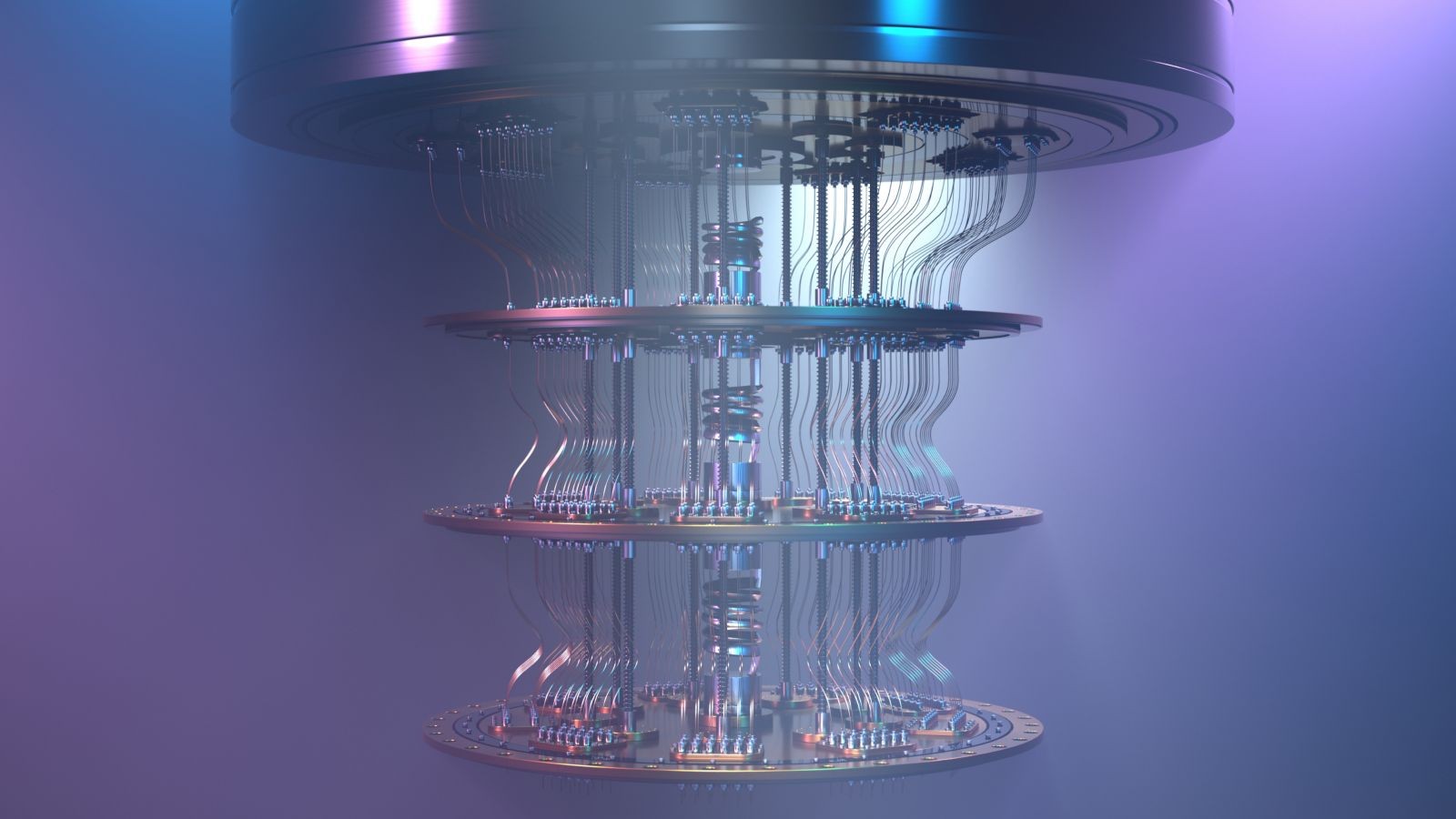
They didn’t use just one type of computer. They used a hyena-pack strategy. An AI-driven supercomputer (Frontier) did the heavy lifting for structure. Then they offloaded the hardest quantum mechanics parts to an IBM Heron quantum processor in New York.
This happened on June 29. The results hit the arXiv preprint server. Not peer-reviewed yet, mind you. But significant.
What were they modeling? FLiBe. A liquid salt. Fluorine, lithium, beryllium. It’s supposed to be the “blanket” around the fusion reaction. It shields the reactor walls and breeds more tritium when neutrons hit it. Sounds good on paper.
The problem is tritium is picky.
The Chemistry Problem
Tritium might grab onto fluorine. Bad news. You get tritium fluoride. Corrosive. Stubborn. It sticks. You can’t clean it easily.
Or tritium might bond with itself. Good news. It bubbles out as a gas. You collect it.
Which happens? We didn’t know for sure. The precision needed to predict these atomic dances exceeds what standard servers can handle. The researchers said so themselves. Classical methods fall short.
“If tritium grabs onto fluorin… it is corrosive and stubborn. Predicting this means modeling the interaction with high precision.”
So they fragmented the calculation. A technique called wave-function-based embedding. Kenneth Merz from Cleveland Clinic helped pioneer this. He recently used similar methods to map a protein with over 12,000 atoms. Now they apply it to molten salt.
The AI proposes candidate salts from a database. The supercomputer simulates their structure using Density Functional Theory (DFT). This part is expensive and slow, so AI “stand-ins” speed it up. Finally, the quantum computer checks the binding sites. The part DFT gets wrong.
Proof Of Concept
They tested it. They compared their hybrid model against known classical solutions.
Did it match? Yes. Accuracy held.
This is huge. If FLiBe works as intended, seawater could become unlimited fuel. Deuterium comes from water. Tritium is bred in the salt blanket. You only need small amounts to start. One gram of deuterium-tritium mix equals about 2,40 gallons of oil.
Four times the energy of modern fission. Millions of times coal.
Engineering hurdles remain. Magnetic confinement tokamaks are finicky. Keeping plasma stable is an art form. But this removes one blind spot. We know how the tritium behaves now. We just need to build the hardware that survives the heat.
Merz and the team plan to model larger systems next. They want to see if AI can shave months off the discovery process. Maybe years.
Why does this matter?
Because we need the energy. The old grid is burning coal. The new one promises sun and wind but struggles with storage. Fusion is the bridge. It’s just sitting there, waiting for us to figure out the chemistry.
We have the tools now. The computer didn’t give us a reactor. But it gave us a map. And for the first time, the destination looks reachable.