Uranium is nasty stuff. Get too close, drink contaminated water, or just breathe it in, and you are in trouble. The Wismut mine in East Germany knows this all too well.
It was one of the biggest uranium operations on the planet. When Germany reunited in 1990 the mine shut down. They left behind a toxic mess.
Water flooded the empty shafts. For decades scientists have been trying to treat it. It is expensive. It is slow. It is exhausting.
But nature has its own plans.
The mine water is teeming with life. Tiny microbes thrive in that radioactive soup. Turns out they don’t mind the radiation. In fact they seem to be working overtime to make it less of a problem.
Researchers from Germany and Spain took a closer look.
They wanted to see if those bacteria were doing anything useful. They didn’t just find survival strategies. They found a cleaning mechanism.
Pentavalent Uranium
The team collected samples from the treatment plant. They put them in lab conditions that mimicked the dark oxygen-poor depths of the mine.
Here is the trick: they fed the bacteria glycerol.
When the bacteria had this carbon source they started processing the dissolved uranium. Usually uranium hangs around with a charge of 4 or 6 pentavalent uranium sits at 5. That middle ground is weird. Unstable. Rare.
“Uranium usually occurs with a valenity of 4 or 6… Pentavalent uranium… had been seen in an unstableoxidation state,” notes Antonio Newman-Portela from HZDR.
These bugs changed that.
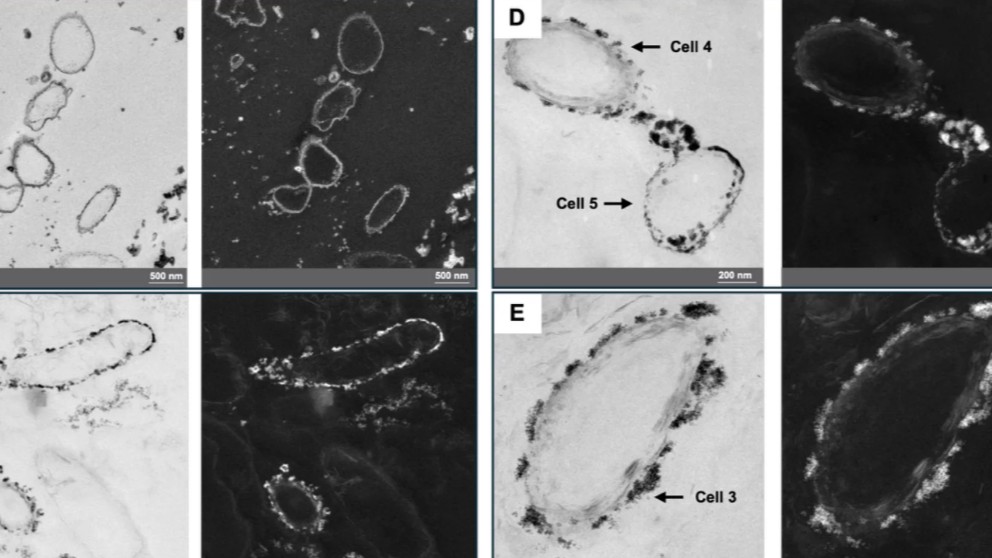
The bacteria forced the uranium into that +5 state. Then they combined it with iron and oxygen. This created FeU(V)O₄. Scientists knew about the compound but never saw it forming in nature like this. It was thought to be too unstable.
The results were stark.
After 130 days only about 5 percent of the uranium remained in solution. The rest? Locked into solid mineral structures. The bacteria built cell walls around it or let it crystallize out when the samples hit air.
A biological fix
Radioactive cleanup is a global headache. Groundwater in the US Canada Australia and beyond often breaches safety limits for uranium. Current methods produce lots of toxic sludge. They cost a fortune.
Bioremediation looks different.
It avoids the secondary waste. It uses living systems to do the heavy lifting. The new study suggests bacteria aren’t just enduring the contamination. They are neutralizing it.
Could these microbes be allies?
Maybe. The authors point out that this specific scenario happened in one geochemical setup. But the principle seems transferable. If we can feed the right bugs in other contaminated sites the results might look similar.
“We still have to investigate,” says Evelyn Krawczyk-Bärschedoing remediation work isn’t simple. We don’t have the full map yet.
Still. The idea is potent.
We spent billions digging up the uranium. Now we are leaving it to germs to put it back. It feels strange. A little chaotic even.
But after a century of nuclear angst maybe chaos is where we need to look next.
The bacteria don’t care about our politics or our fears. They just eat the glycerol and lock the uranium away.
We should probably pay attention.