A local beauty spot is struggling.
Pupils at Dedham Church of England Primary in Essex think the river running through their village is dying. They aren’t just guessing. They tested the water themselves and came up with some disheartening results.
Emily Keeley, a Year Four teacher, noted how much this bothered the children. They weren’t indifferent, they were angry at the state of their environment.
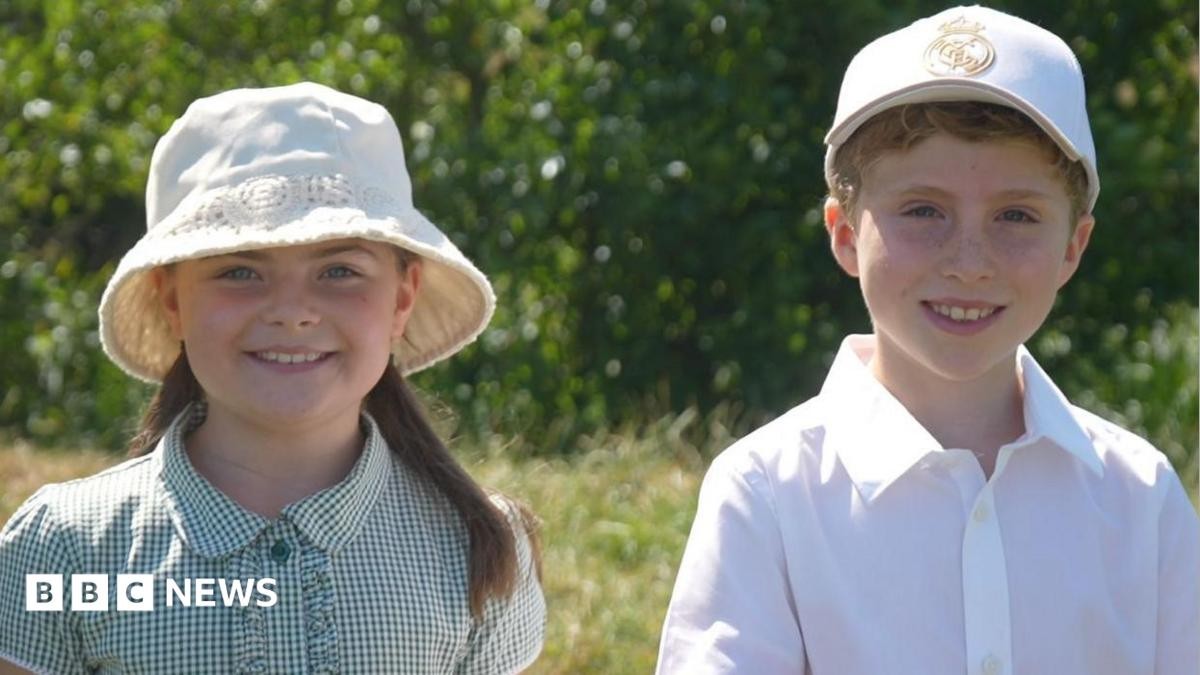
Nine-year-old Florence put it plainly. If we don’t take care of the world there is no Planet B, if we don’t fix the river now there won’t be one later. And no animals either.
“We should tell people the river is dying.”
Noah, also nine years old, agrees. He says that without intervention the water will simply vanish as a recreational space, losing its status as a nationally important landscape in the process. Who wants a dead river?
The students are taking action.
They plan to write to Bernard Jenkin, the local Conservative MP. Their request is specific. Install a storm drain on the nearby A12 road to stop chemicals from washing directly into the Stour.
“If we don’t fix it, then there will be the river.”
Dedham is famous, obviously. John Constable painted it into the collective British consciousness. It sits right on the Essex-Suffolk border within an Area of Outstanding Natural Beauty, but recently it’s seen more litter and bad parking problems popping up everywhere you look.
To get accurate data the school teamed up with PACE (Practical Actions Climate and the Environment). A local climate charity based in nearby Manningtree, it started back in 2019 with a focus on practical, tangible steps for the planet.
John Hall, a founder and trustee of the charity, helped guide the project. He adapted their standard water sampling methods specifically for children so they could handle it. Hall has spent his entire life working in biology so he understands exactly which insects and plants live in rivers like these.
He believes that once kids understand what lives in the water they will naturally want to protect it. Understanding breeds care.
They used riverfly monitoring for the tests. This technique tracks the levels of invertebrate life present in the river since these creatures react quickly to changes in pollution levels or deteriorating water quality. The results came back bad enough to spark this campaign but not bad enough to stop them trying to make a difference.