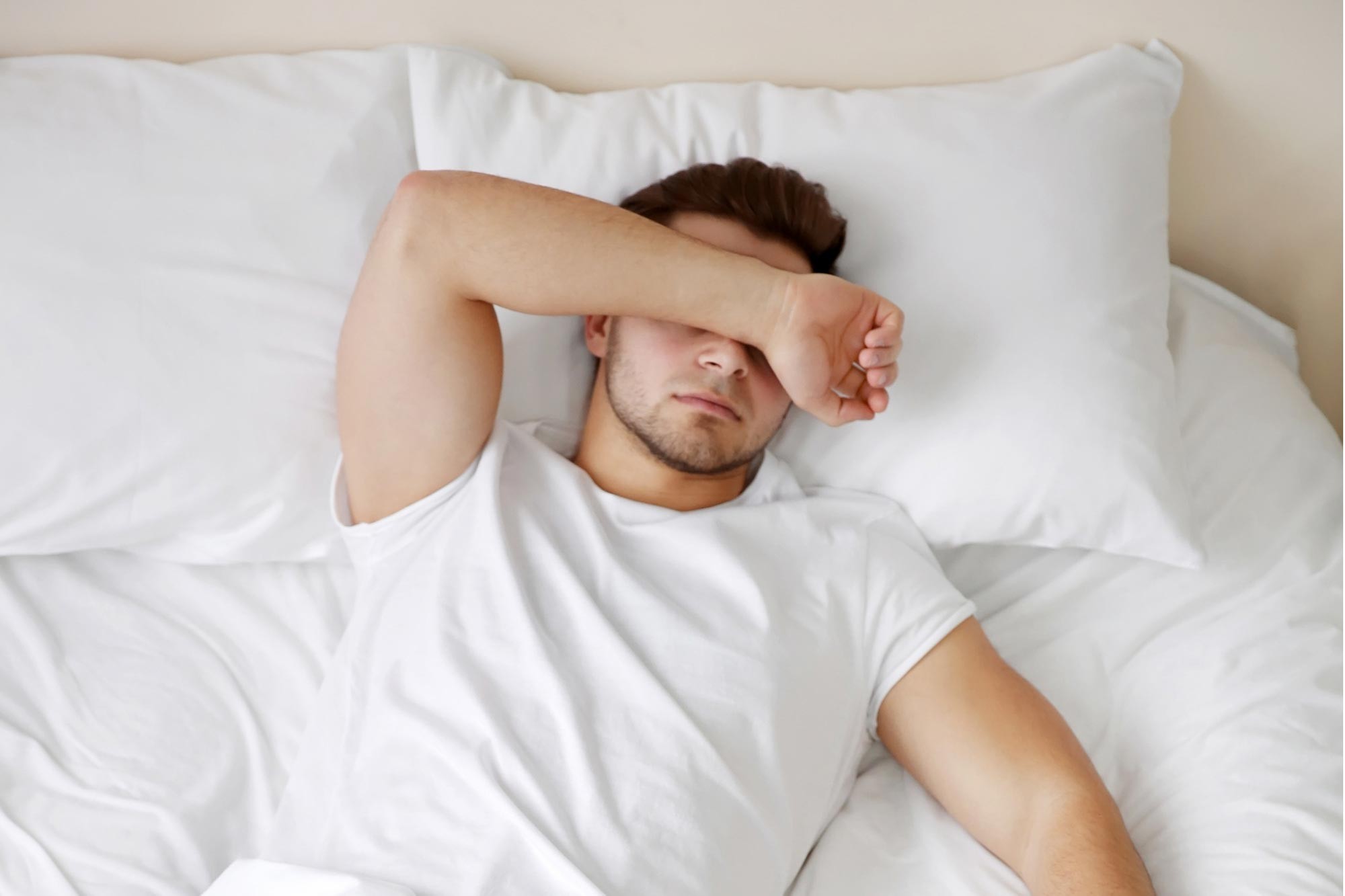
Poor sleep leaves marks. Not just on your face. In your head. REM sleep isn’t about napping. It processes emotion. It adapts to stress. It rebuilds the mind. Break it and you invite anxiety. Depression. PTSD.
A team at the University of Texas at Austin changed the game. They built a patch. Called NEUSLeeP. No pills. No scalpels. Just a sticker on your skin that talks to your brain.
How it works
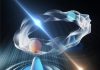
The patch is soft. It sits on the skin. It combines ultrasound with electrodes. Think of it as a gentle nudge from the outside in. The ultrasound reaches deep brain regions tied to REM. The electrodes monitor the response. Real-time data flows back.
“This is the first time we’ve been able noninvasively target deep REM sleep regions while simultaneously monitoring,” says Kai Wing “Kevin” Tang. He led the effort. A recent Ph.D. grad from UT Austin.
His advisor Huiliang “Evan” Wang sees potential.
“Our skin-attached NEUSLeeP patches opens new possibilities for home treatment.”
It’s not just a lab trick. It’s built for the living room.
The results matter
Did it work? Yes.
They tested it on 28 people. Published in Nature Communications. The numbers jump out.
- Users hit REM sleep 43 minutes faster.
- They stayed in it 16 minutes longer.
Both healthy sleepers and those with sleep issues saw the boost. Comfort mattered too. People liked wearing it. Few side effects.
The benefits go deeper than clock time. Healthy users showed better heart rate variability. A key sign of how your body handles stress. Brain scans showed shifts in emotional circuits.
“REM is an emotional reset,” Gregory Fonzo explains. He’s a psychiatry professor at Dell Medical School and co-PI on the study. “By boosting REM, we help people cope with stress.”
That’s the goal. Better resilience. Current drugs? They have side effects. They don’t target REM directly. Behavior therapy? It helps but hits a wall. This device might bridge that gap.
What comes next
These are early days. Larger trials are needed.
The researchers plan to target PTSD. Chronic insomnia. Depression. They want to prove it works on broken brains not just tired ones.
The vision is broad.
“We envision a future where mental health patients can optimize sleep non-invasively.”
Dr. Vincent Mysliwiec put it that way. A sleep disorder expert from UT Health San Antonio.
Patents are filed. UT’s commercialization unit “Discovery to Impact” is working on bringing it to market.
Will this replace therapy? Maybe not. Will it change how we think about treating trauma? Likely. The tech exists now. The patch sticks to skin. It stimulates. It watches. It listens.
The question remains whether our bodies will thank us. Or just adapt again.