You’re looking up.
Good.
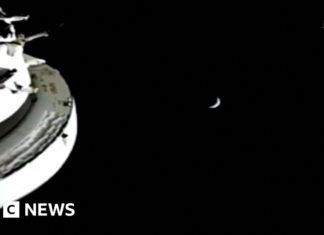
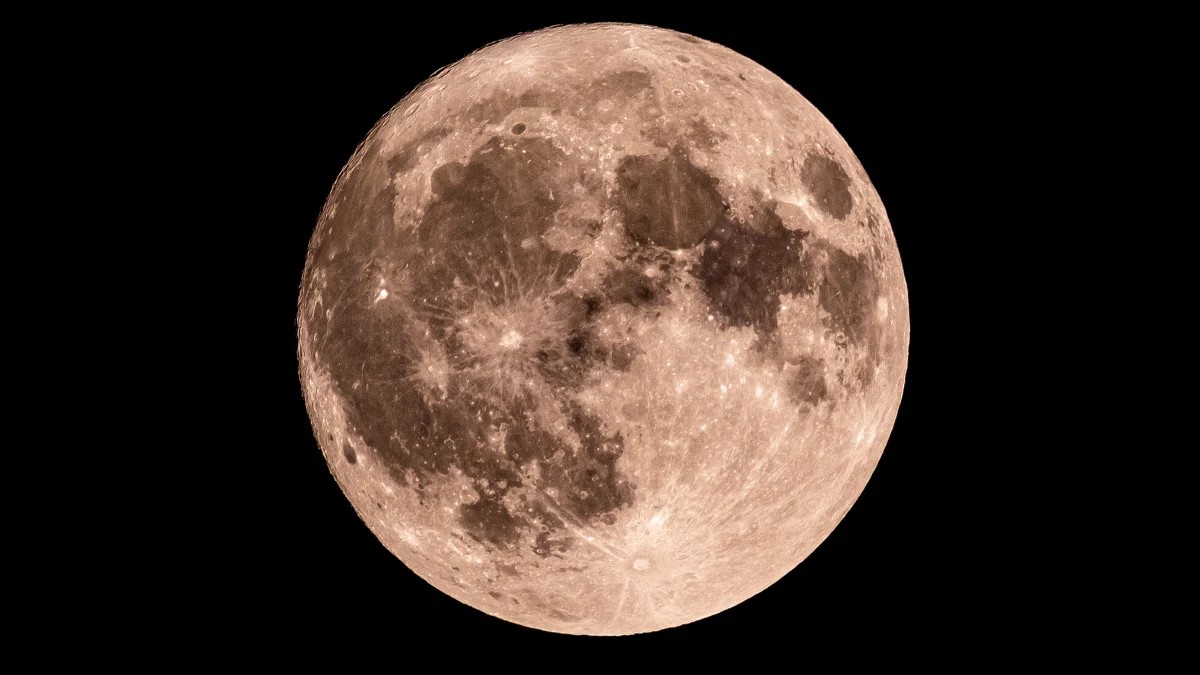
It’s July 20, 26. The sky is dark, the air is likely warm, and the Moon is hanging there, fat and bright. If you’ve forgotten what to call this specific sliver of celestial rock, you’re in good company. It’s a Waxing Crescent. We know this because NASA’s Daily Moon Guide is the arbiter of truth for such things. Specifically, 38% of the surface is lit up right now.
But here is the thing about 38%. It’s not just a number. It’s a permission slip to look harder.
Today happens to be International Moon Day. Yes, there’s a holiday for it. The day commemorates the Apollo 11 mission—the first time humans actually set foot on the lunar surface. It feels appropriate to mark the anniversary with a skywatch. Not because we need more reminders of how fragile our presence there is, but because it’s easy to forget the Moon is there. We treat it like a nightlight. A fixture. But tonight, it’s something else.
What you can spot without gear
You don’t need a telescope to get excited. Not yet.
With just your naked eyes, you can pick out the Mares Crisium. It’s one of the most distinct circular seas on the Moon’s face. Nearby is Mare Fecunditatis, the Sea of Fecundity. Sounds like a bad perfume, but it’s actually a vast basaltic plain.
If you have binoculars—standard 8x or 10x will do—you start getting into the texture. Look for the Endymion Crater. It’s bright, sharp-edged. Then there’s Posidonius Crater, a dark-floored crater that looks like a punched-out hole. You’ll also catch Mare Nectaris. It’s huge. It dominates the southern hemisphere’s face.
This is how you celebrate the Apollo legacy. Not with speeches. But with eyes on the surface where Armstrong and Aldrin left their tracks. You can’t see their boots from the ground. But you can see the landing zones if you have a telescope. Apollo 11’s spot is a specific coordinate. Apollo 17 touched down a bit later, in a different region. A telescope widens your visibility until the gray dust becomes landscape.
Why the Moon changes shape
People ask why the Moon changes shape. It’s a simple question with a complex answer.
The Moon completes one orbit around Earth in about 29 days. That’s a synodic month. It’s not 29.5 days exactly, but close enough for general conversation. During that trip, the angle between the Sun, Earth, and Moon shifts. We don’t change. The Moon doesn’t lose light. It just turns away.
The same side always faces Earth. We’ve known this for a while. No more “dark side” myths. The far side is just the far side. But as it travels, the sunlight hits it differently.
That’s it. That’s the whole trick.
We see illumination angles. That’s all.
The current cycle: Where we stand now
Let’s break down where we are in the cycle. If you’re trying to figure out which phase the Moon is in for a wedding, a photoshoot, or just curiosity, context helps.
- New Moon: The Moon is between us and the Sun. Total blackout. Invisible unless you know exactly where to look for a silhouette.
- Waxing Crescent: This is us. Right now. July 20, 29. A sliver on the right (in the Northern Hemisphere). Growing.
- First Quarter: Half-lit. Looks like a half-moon. But it’s actually a quarter-phase in the cycle. Confusing naming convention? Yes. Accurate? Debatable.
- Waxing Gibbous: More than half lit. Getting bulky.
- Full Moon: All of it. July 29. Nine days from now. The sky will be bright. Your neighbors will be complaining about the light pollution.
- Waning Gibbous: Light starts to recede from the right side.
- Third Quarter: The other half is lit. Left side this time.
- Waning Crescent: Thin sliver. Left side. Before it goes dark again.
It’s a loop. A 29-day loop. You can watch it spin.
When is the next Full Moon?
July 29.
That’s the date. Nine days away.
If you want to catch the Waxing Crescent properly, do it tonight. Wait three days and it’s half-full. Wait nine and it’s blinding. The phase changes are subtle enough to miss if