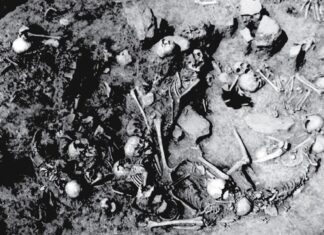
New genetic evidence from an ancient mummified skull is forcing historians and scientists to rethink a fundamental narrative of the Americas: the idea that many devastating diseases arrived exclusively with European colonizers.
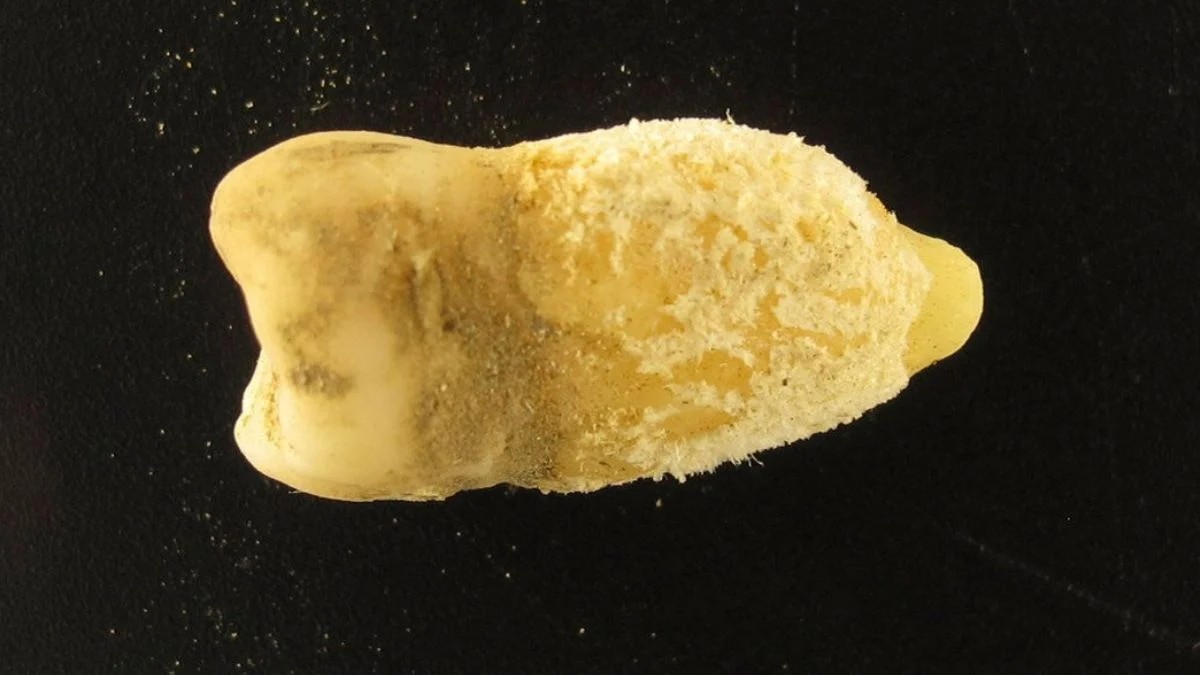
By analyzing a tooth from a male individual who lived in the high-altitude tablelands of present-day Bolivia between 1283 and 1383 CE, researchers have identified traces of Streptococcus pyogenes —the bacterium responsible for scarlet fever. This discovery places the infection in the Americas centuries before Christopher Columbus reached the continent in 1492.
Rewriting the “Frontier Disease” Narrative
For decades, the prevailing historical consensus has been that “frontier diseases”—such as smallpox, measles, and diphtheria—were brought to the Americas by Europeans, devastating Indigenous populations who lacked immunity.
The presence of scarlet fever in a pre-Columbian Bolivian mummy suggests this narrative is oversimplified. If scarlet fever was already circulating in the Americas long before European contact, it implies that:
– The Americas were not a “biological vacuum” isolated from global pathogens.
– Pathogens may have traveled much earlier via ancient human migrations, possibly through Siberia.
– The biological impact of the “Columbian Exchange” was far more complex than a simple one-way introduction of germs.
This finding follows similar recent discoveries regarding syphilis and leprosy, both of which appear to have had much longer, more independent histories in the Americas than previously believed.
A Breakthrough in Ancient DNA Analysis
Extracting reliable information from remains that are hundreds of years old is notoriously difficult. The DNA in the Bolivian tooth was highly fragmented and degraded, presenting a massive technical challenge for the team of scientists from Italy and the UK.
Overcoming the “Contamination” Hurdle
Traditionally, researchers in the field of ancient DNA (aDNA) would discard longer genetic sequences, fearing they were merely modern contamination. However, this study utilized a different approach:
– Chemical Damage Patterns: Researchers used specific chemical markers to prove that the longer sequences were just as ancient as the fragmented ones.
– Working Without a “Box”: Microbiologist Mohamed Sarhan of Eurac compares the process to solving a puzzle without knowing what the final picture looks like. By not relying heavily on modern genetic “templates,” the team avoided the bias of modern preconceptions, allowing them to identify genetic variants that may no longer exist in today’s world.
Identifying the Pathogen
The analysis revealed the presence of core virulence genes, confirming that this ancient strain was indeed a pathogen capable of causing throat infections, rather than a harmless relative of the bacteria.
Why This Matters for Modern Medicine
While antibiotics have transformed scarlet fever from a leading cause of childhood death and permanent disability (such as vision and hearing loss) into a manageable condition, the research remains highly relevant.
As modern strains of S. pyogenes face increasing challenges from antibiotic resistance, understanding the deep evolutionary history of the bacterium is vital. By mapping how the pathogen has changed over thousands of years, scientists can better prepare for future treatments and track the evolution of bacterial virulence.
This discovery does more than just rewrite history; it refines our understanding of how human migration and microbial evolution have been intertwined for millennia.
In summary, the discovery of scarlet fever in a pre-Columbian mummy suggests that many “Old World” diseases were already established in the Americas long before European arrival, fundamentally altering our understanding of global disease history and human migration.