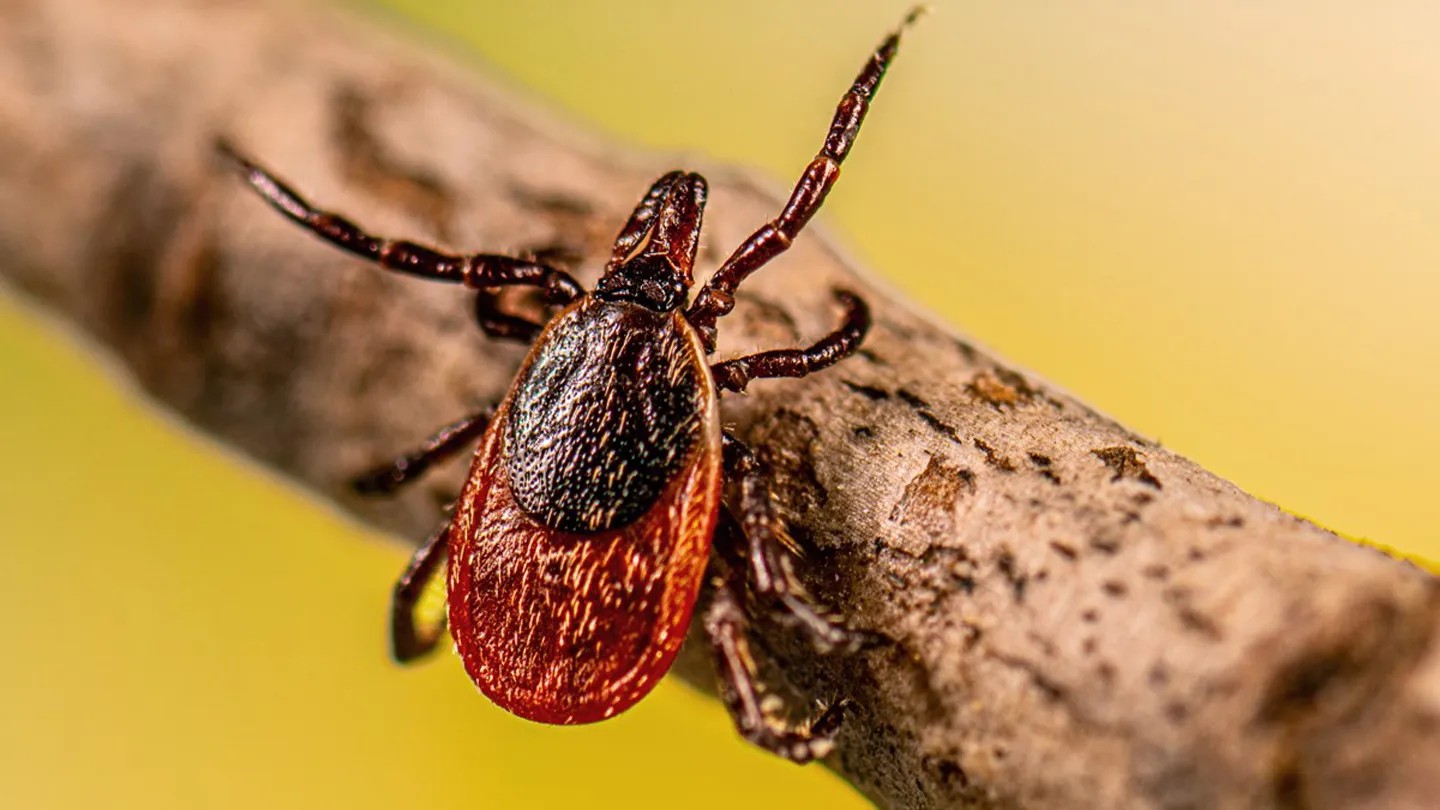
For outdoor enthusiasts, the threat of Lyme disease has long been managed through physical barriers: long sleeves, bug sprays, and constant vigilance. However, a potential medical breakthrough could soon add a powerful biological layer to that defense.
Recent clinical trial data from Pfizer and Valneva indicates that their experimental Lyme disease vaccine, LB6V, reduced infection rates by approximately 70% compared to a placebo. If approved by regulatory agencies, this shot could provide critical protection for hikers, gardeners, and anyone at risk of tick bites.
How the Vaccine Works: Stopping the Infection at the Source
Unlike many vaccines that teach the body to fight a pathogen after it enters the bloodstream, LB6V works by intercepting the bacteria during the transmission process.
The mechanism is clever and targeted:
– The vaccine trains the human body to produce antibodies that target OspA, a specific protein found on the outer shell of the Borrelia burgdorferi bacteria.
– When a tick bites a vaccinated person, it ingests these antibodies along with the blood meal.
– Once inside the tick, the antibodies attach to the OspA protein, effectively “locking” the bacteria inside the tick and preventing them from being transmitted to the human host.
Challenges and Clinical Realities
While the 70% efficacy rate is a significant milestone, the path to widespread use faces several hurdles:
1. Statistical Nuances
The study did not meet its primary statistical goal because fewer trial participants contracted the disease than researchers had originally anticipated. This means regulatory bodies in the U.S. and Europe will need to scrutinize the data closely before granting approval.
2. The Maintenance of Immunity
The vaccine is not a “one-and-done” solution. To achieve full protection, patients require four doses administered over roughly 18 months. Furthermore, because the vaccine relies on maintaining high antibody levels, occasional boosters may be necessary to ensure ongoing efficacy.
3. The Shadow of the Past
This is the first major advancement in Lyme prevention since LYMErix, a vaccine approved in 1998 that was voluntarily withdrawn from the market in 2002. While subsequent studies suggested that LYMErix did not cause the arthritis cases that led to its removal, the controversy fueled a wave of vaccine hesitancy that still impacts public health today. Valneva has proactively addressed this by omitting the specific part of the OspA protein that was previously linked to joint issues.
The Growing Threat: Why This Matters Now
The urgency for a successful vaccine is driven by a shifting ecological landscape. As global temperatures rise, tick populations are expanding into new territories, and more ticks are surviving through the winter.
In the United States alone, an estimated 476,000 people are diagnosed with Lyme disease annually. As the disease spreads across North America and Europe, a single vaccine may not be enough to stem the tide.
A Multi-Pronged Strategy for the Future
Experts suggest that the most effective way to combat Lyme disease is not through a single “silver bullet,” but through a combination of different scientific approaches:
- Advanced Vaccines: Developing shots that target multiple proteins (not just OspA) to ensure the body can kill bacteria even after they have moved from the tick into a mammal.
- Passive Immunity: Using lab-made antibodies to provide immediate, short-term protection for travelers or those in high-risk areas during peak tick seasons.
- Environmental Intervention: Researchers like Maria Gomes-Solecki at the University of Tennessee are testing “bait vaccines” for wild mice. By vaccinating the rodents that ticks feed on, scientists hope to reduce the overall reservoir of bacteria in the environment.
“Nature is smarter than we can ever be,” says Gomes-Solecki. “The more protective strategies you add to the entire system, the better you are.”
Conclusion: While the LB6V vaccine represents a major leap forward in preventing Lyme disease transmission, its success will depend on navigating regulatory scrutiny, managing long-term immunity, and overcoming modern vaccine hesitancy.