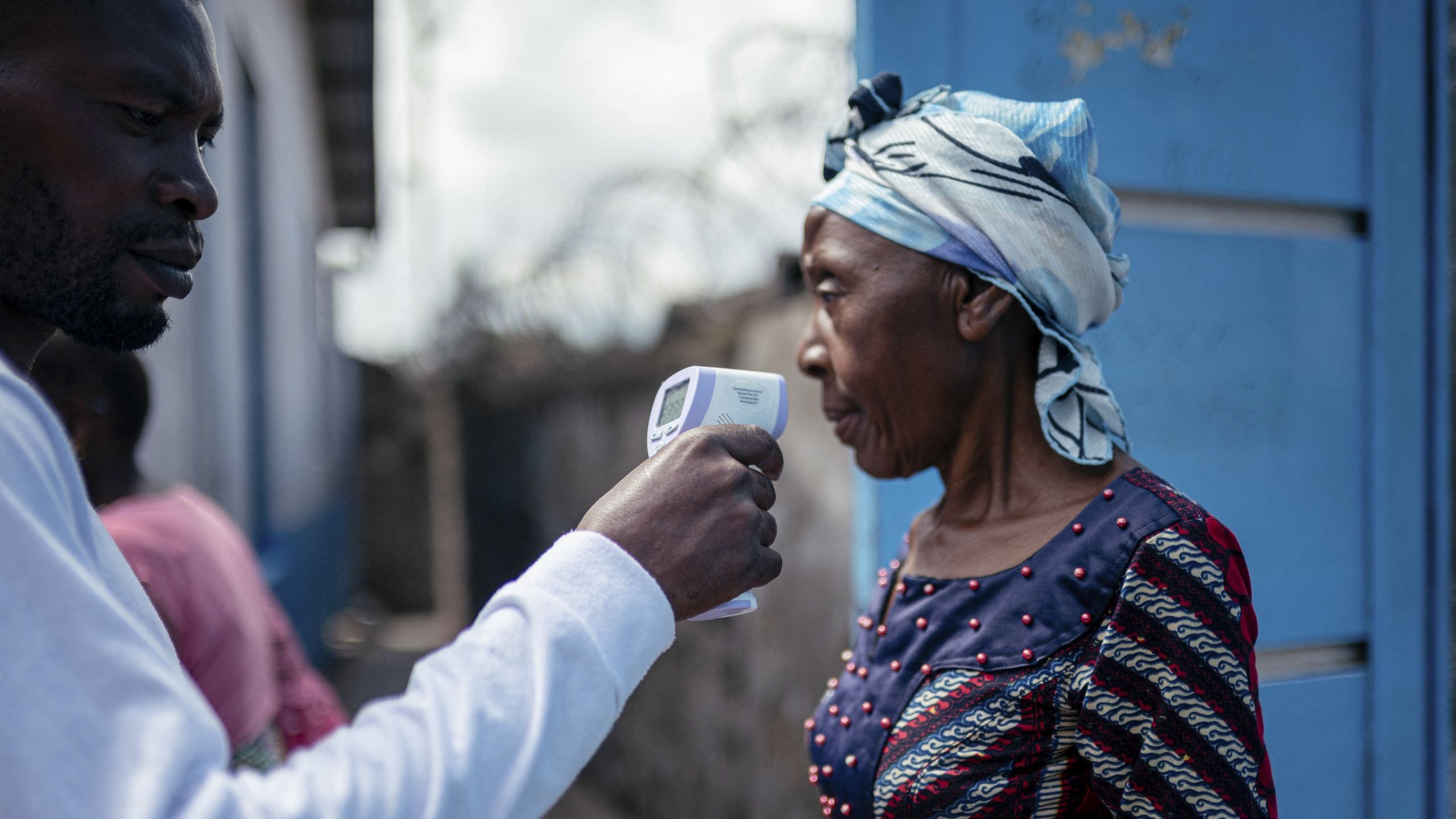
The World Health Organization made it official on Sunday. An Ebola outbreak in the Democratic Republic of the Congo is now a Public Health Emergency of International Concern. It’s not a pandemic—don’t get twisted—but it is, in WHO words, “extraordinary.” And they’re worried the real numbers are buried.
Dr. Jean Kaseya of the Africa Centres for Disease control spoke to the BBC on Monday. The situation is dire. Over 390 suspected cases in the DRC. More than 100 dead. Two confirmed cases in Uganda. Just two? Or two so far?
Here is the problem. Most of us think of Ebola vaccines as a thing. We had them in 2019. This virus isn’t the usual suspect.
A different beast
The culprit here is the Bundibugyo species. It’s one of three Ebola types capable of causing outbreaks, but unlike the Zaire virus we’ve battled before, there are no licensed drugs or vaccines for it. None.
Last time Bundibugyo reared its head, the death toll ran between 30 and 50 percent of infected.
“We have more than 100people already passed on,” Kaseya said. He sounded tired. Scared. “We don’t have a vaccine,we don’t have medicineavailable tosupport.”
So what works? Fluids. Electrolytes. Keeping patients stable until their bodies win. Or lose. It’s about treating symptoms. It’s primitive, but it’s what we’ve got.
Why it’s spreading fast
You might think the WHO pulls the emergency card lightly. They don’t. This designation signals that borders are porous and this virus won’t stop at the map lines. It allows for coordinated international pushback. Guidance flows down. Aid flows up.
But the terrain is brutal.
“The outbreak has a high risk ofcross-borderspread andcould require internationalcooperationtocontain.”
It started with a nurse. The first suspected case, and the first death, was a healthcare worker who got sick on April 24. By May, at least four other health workers had died. When hospitals become ground zero, transmission explodes. People trust the clinic, then catch death inside it.
The cases are clustered in three areas of the Ituri Province in northeastern DRC. That’s the borderlands with Uganda. Of course the virus crossed over.
No easy path to a cure
Lab tests confirmed the virus on May 15, but the window for early containment is slipping. Ituri isn’t just dangerous because of the virus. It’s dangerous because it’s broken.
Conflict rages there. Surveillance teams can’t go everywhere. They can’t move lab samples without fear of ambush. The government is trying, but they are working through a sieve of insecurity and massive population movement. Add in a web of informal healthcare sites, and you have a perfect storm. Well, not a perfect one—perfection isn’t a thing—but a highly effective one.
Six Americans were exposed in the DRC, though CBS reports we don’t know yet if they’re carrying the bug. The world holds its breath.
This looks a lot like 2018, when a Zaire virus outbreak in the east killed 2,299 people. That time, vaccines worked. They stopped it. Now, with no vaccine, the risk extends north and east into South Sudan, the Central African Republic, Rwanda, Burundi, and Uganda.
The WHO warns neighbors are at high risk. The disease is fluid. Borders are lines on paper, but the virus follows bodies, which follow markets, which follow survival.
We’re watching the clock. And there’s no clock left on the medicine shelf.