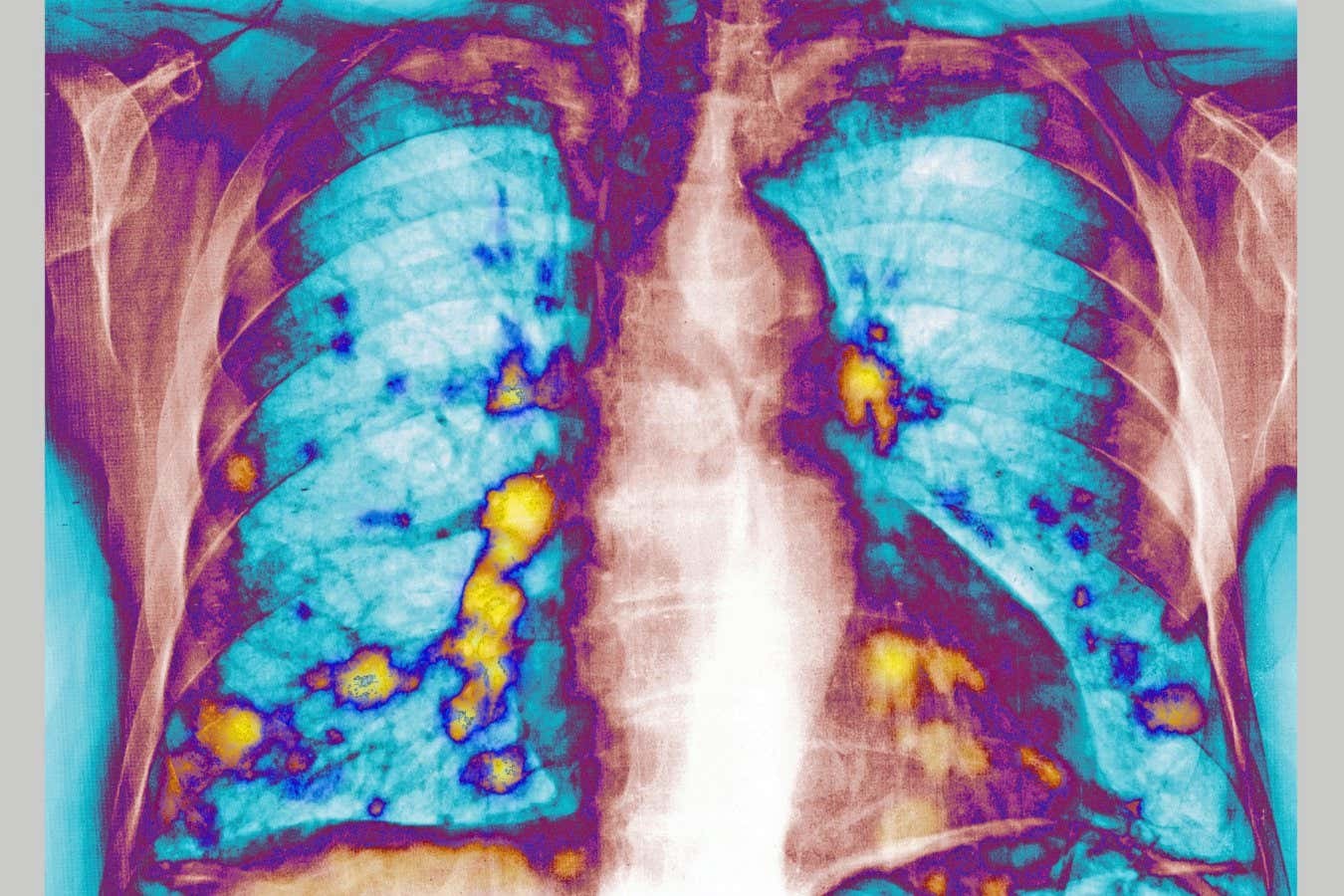
New research suggests that the body’s natural response to common respiratory viruses might hold a secret weapon against cancer. Experiments involving mice have demonstrated that certain viral infections can temporarily prevent cancer cells from colonizing the lungs, offering a potential new pathway for treating metastatic disease.
The Challenge of Metastasis
The most lethal stage of cancer occurs when tumor cells break away from their original site and travel through the bloodstream to distant organs—a process known as metastasis. Once cancer spreads, treatment becomes significantly more complex, and survival rates often drop.
The lungs are a frequent target for metastatic cells. This has led scientists to investigate whether the environment of the lungs, specifically during viral infections like the flu, COVID-19, or the common cold, plays a role in how cancer cells take root.
The RSV Breakthrough
In a recent study led by Cecilia Johansson at Imperial College London, researchers focused on Respiratory Syncytial Virus (RSV), a common virus that affects almost everyone by age two.
The study followed a controlled experimental process:
1. Infection: A group of mice was infected with RSV via the nasal passage.
2. Cancer Introduction: 24 hours later, breast cancer cells were injected into the mice.
3. Observation: After 28 days, the results were striking. The mice previously infected with RSV had 65% to 70% fewer tumor nodules in their lungs compared to the control group.
A Critical Distinction:
It is important to note that while the virus prevented cancer cells from “seeding” (taking hold) in the lungs, it did not stop them from growing once they arrived. The nodules that did manage to form were similar in size to those in the control group. This suggests the virus acts as a barrier to entry rather than a treatment for established tumors.
The Role of Interferons
The researchers identified the biological driver behind this protection: Type I interferons. These are proteins the body produces to stop viruses from replicating.
The study revealed that these interferons trigger changes in the lung’s epithelial cells (the lining of the airways), making the environment hostile to invading cancer cells. To test this, researchers administered the proteins directly to mice without the virus. The results were even more effective than the viral infection itself in limiting tumor seeding.
One specific protein, galectin-9, which is produced in response to these interferons, appears to be a key player in this defensive mechanism.
From Lab to Clinic: Future Prospects
While these findings are currently in the pre-clinical stage, they open a new door for drug development. Instead of using a live virus—which could cause harmful inflammation—scientists hope to develop drugs that mimic the effect of interferons.
“This research highlights an exciting potential way to manipulate tissue and help shield patients from metastatic spread,” says David Withers of Oxford University.
Remaining Hurdles
Despite the excitement, several challenges remain:
– Inflammation Risk: Delivering interferons directly to the lungs could cause damaging inflammation in the airways.
– Complexity of Human Biology: Researchers must determine if these same mechanisms function identically in humans.
– Targeting: Future studies will look for “interferon-inducing agents” that can target specific lung cells without causing systemic side effects.
Conclusion: By understanding how the immune system responds to respiratory viruses, scientists may be able to develop therapies that “fortify” the lungs, preventing cancer from spreading to one of its most common sites.