Another week. Another rocket.
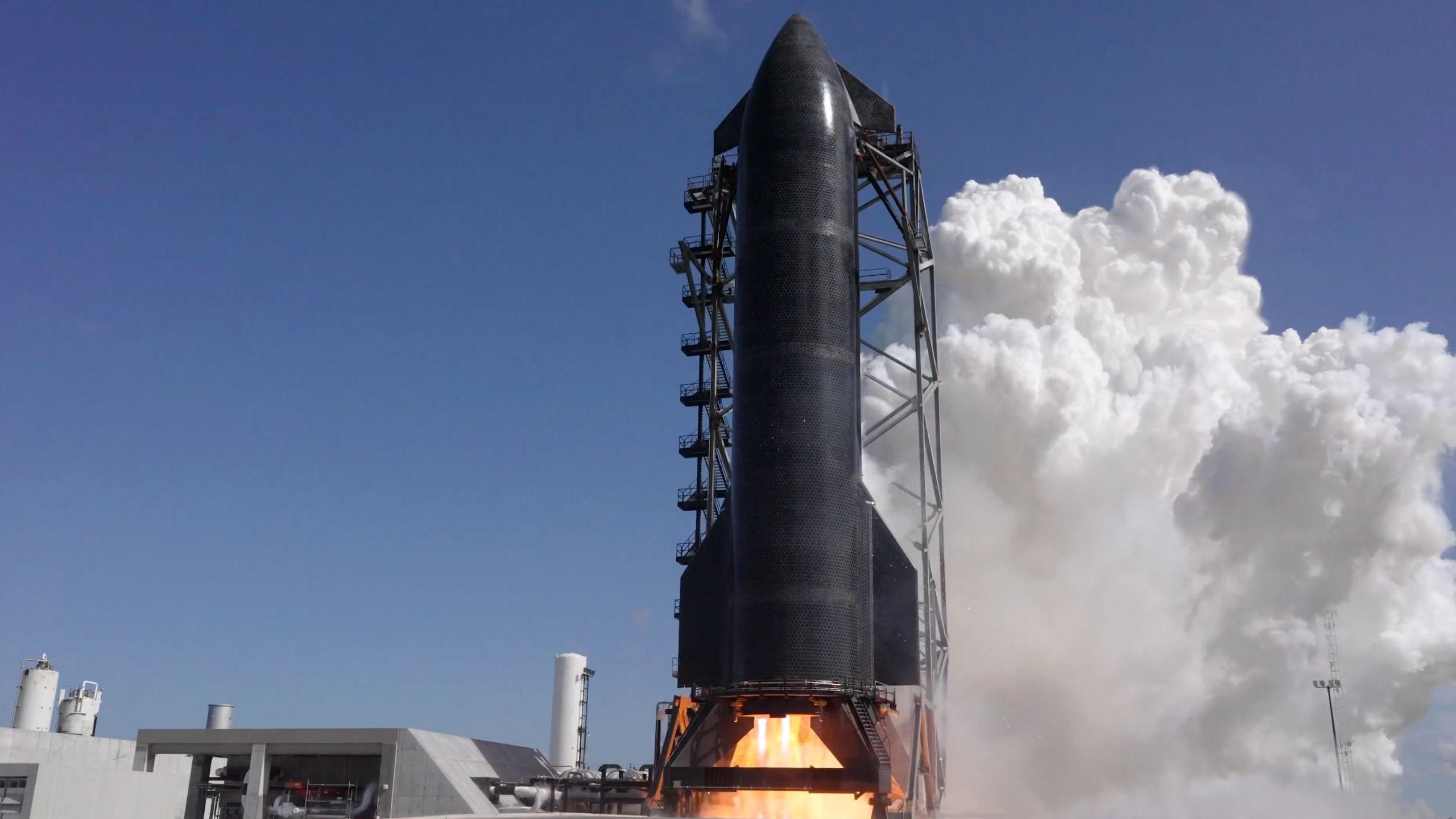
SpaceX isn’t waiting around. Less than seven days after the last test, Starship’s newest upper stage — Ship 40 — sat on the pad again. This time they didn’t hold back. They fired all six Raptor engines.
It happened at Starbase, Texas. A static-fire test. Real combustion, no flight yet.
“All six Raptor engines… firing to simulate flight-like conditions”
It was loud. It was hot. And it lasted a full minute.
Just last week? A single engine ran for fifteen seconds. That was the warm-up. This was the main event. Ship 40 now has three sea-level Raptors and three vacuum-optimized ones roaring in unison. The footage SpaceX dropped on X proves it works.
Why bother testing again so soon?
Because this thing needs to fly. Flight 13 is next. Likely within the month.
Ship 40 marks the second Version 3 (V3) launch attempt. Remember May 22? The V3 debuted then. Flight 12 mostly worked, but not perfectly. The Super Heavy booster struggled to land. It missed its soft ocean splashdown. Failed to maneuver. Just splashed. Hard.
Flight 13 won’t repeat those mistakes, probably. It’ll try again to relight a Raptor engine in space. The flight path mirrors the last one. But they’ll expect better performance this time.
And performance is what this beast offers.
The V3 is tall. Really tall.* 408 feet. 124 meters. That’s five feet higher than its predecessor. It is the most powerful rocket to ever actually lift off.
SpaceX built this monster for big things. Starlink expansion in low orbit. Putting humans on the moon for NASA’s Artemis program. Dropping payloads into orbit that are simply too heavy for anything else currently on the launch manifest.
So we wait.
This engine test was a green light. Sort of. Now the lower stage needs attention. The Super Heavy booster is next. Thirty-three Raptor engines sitting at the base. Two hundred million pounds of potential thrust if everything aligns.
If that static fire goes cleanly, Flight 13 happens fast.
August isn’t far off.
What if the engines hold up? What if the landing computer finally gets it right? We will know soon enough.