Mediterranean soil might be lying to us. Or rather. It might have been masking the truth for decades. Archaeologists love a good residue analysis. It feels like detective work. You find a pot. You scrape it. You find oil. Boom. Trade networks, ancient economies, daily routines — all inferred from a sticky smear on clay.
But a new study suggests that smear isn’t always what you think it is.
A Cornell-led team dug into this. Not literally, but chemically. They brought classicists, food scientists, engineers into the mix. The result? Plant oils don’t survive well in Mediterranean soils. Specifically. The kind that is calcareous. Alkaline. Very common.
This changes the game. Residues in pottery were the gold standard for proving olive oil was there. Now? Maybe not so much. In some cases those readings might have been misread entirely. Confused with other plant oils? Sure. Mistaken for animal fat? Also possible.
The paper landed in the Journal of Archaeological Science. It’s time to rethink the oil story.
Washing the dishes
The project started with Rebecca Gerdes. PhD ’24. She’s now a Hirsch Postdoctoral Associate. She wears two hats: classicist and chemist. Most students pick one lane. She didn’t.
“I wash ancient dirty dishes. I save the rinse liquid. I use the molecules to figure out what people did.”
It’s organic residue analysis. Standard stuff in the field. But Gerdes saw a crack in the foundation. Many claims about Eastern Mediterranean pottery rested on guesses. No experiments. Just assumptions baked into the methodology.
She didn’t try to answer a specific historical mystery first. That’s the smart move. She decided to fix the method before using it.
Her PhD chair. Sturt Manning. A distinguished professor. He pushed for this. Test the soil first.
So Gerdes called in favors. All along Tower Road at Cornell. Three colleges involved. Engineers. Agronomists. It became a massive collab.
Jillian Goldfarb was key. An engineer who studies how rot turns into biofuel. Her lab has the tools. The problem? They needed dirt. Actual Mediterranean dirt.
The dirt problem
The pandemic was at its peak. Travel to Cyprus? Impossible.
So the dirt came to New York.
The Cornell Soil Health Lab got the soil. Sterilized it. Made it safe. Bob Schindelbeck, the director, helped decode the chemistry.
They baked little pellets. Terracotta. Gerdes thought it was like playing with Play-Doh. It’s hard not to find that ironic. Archaeologists burning clay like kindergarten craft day.
The pellets went in. Fired. Soaked in real olive oil. Then buried.
Two soils.
One from New York. Acidic. Farm stuff.
One from Cyprus. Calcareous. Historical. Collected by Thilo Reehren at the Cyprus Institute.
This isn’t a minor detail. That Cyprus soil covers half the ancient trade world. The Late Bronze Age? Yeah. That’s affected.
To save time? Heat. Incubators at 50 Celsius. A full year of aging.
“We didn’t want to wait 3000 years for me to graduate.”
Fair enough.
Oil looks like fat
The results were messy. And not in a fun way.
In the New York soil? The oil stayed. Markers were clear.
In the Cyprus soil? Disappeared. Degraded.
The calcareous dirt ate the markers. Specifically dicarboxylic acids. Those are the tell-tale signs of plant oil. Without them. You’re blind.
Here’s the kicker.
When olive oil breaks down like this. It doesn’t vanish. It transforms.
It starts looking like animal fat.
Gerdes put it bluntly.
“People want to believe they found olive oil. It’s a good story. It’s economically vital. So there’s a default: if the molecules match. It must be olive oil.”
Except the overlap is real. Plant oils mix. Then degrade. Then they look like lard. Or tallow.
If the soil changes the chemical profile. How do we know what people actually ate? Or traded? Or buried with their dead?
We don’t. Not anymore. Not with certainty.
Fixing the broken tool
The science was hard. The collaboration was harder.
Gerdes used every resource on campus.
Schroeder Research Group lab space.
Joe Regenstein (Food Science emeritus) for extraction protocols.
Goldfarb for chemical engineering tricks borrowed from biofuel labs.
Stable Isotope Lab to clean the glassware. Seriously. Clean glass matters.
Undergrads pitched in. Hanna Wiandt. Malak Abuhashim. Avery Williams. They had to learn two languages at once. Classical history. Chemical engineering.
That’s the gap Cornell wants to bridge. An interdisciplinary center. Real science for real history.
“Engineers can help build new methods,” Goldfarb said.
It started with one student washing dishes.
Now the dishes are speaking differently.
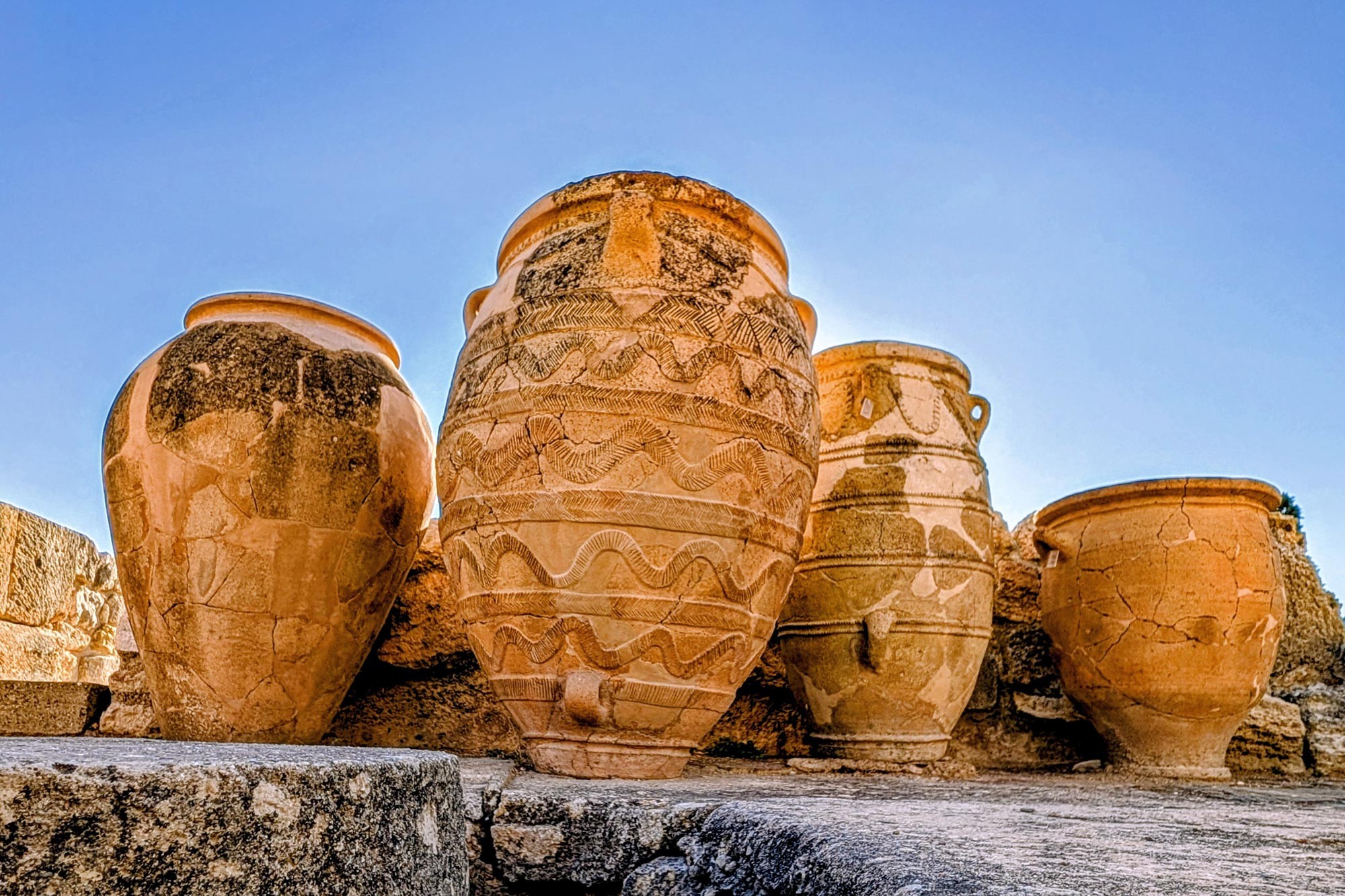
So when you read that a Minoan pot held olive oil?
Ask what kind of soil it was sitting in.