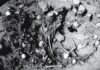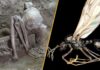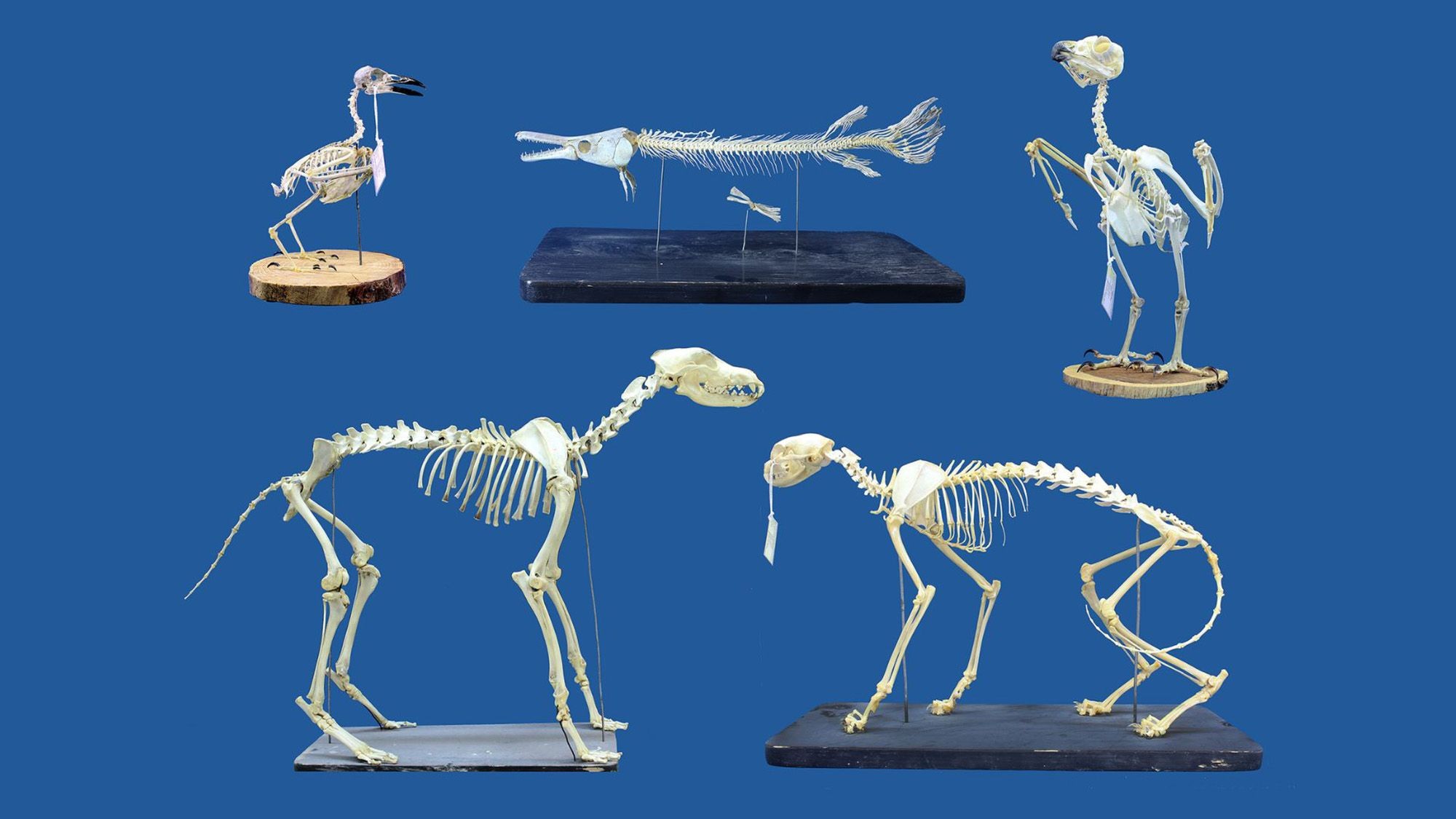
The pristine wolf or bat skeletons you see in natural history museums? They weren’t always so clean. For decades, institutions have relied on dermestid beetle colonies to strip away the soft, messy bits. It’s a biological pressure washer. But there’s a catch. Managing these beetles is a hassle. Escaped adults can ruin valuable, unprocessed specimens. It’s a risky gamble with your collection.
Now, scientists say they’ve found a better cleanup crew. Superworms.
Published in PLOS One on July 1, the new research highlights how Zophobas morio larvae—those large, wiggly insects sold as reptile feed—can clean skeletons just as effectively as beetles. With distinct practical advantages. They handle everything from tiny bats to nine-pound wolves. And they don’t damage delicate bones.
Niloofar Alaei Kahki and Morteza Monfared studied these larvae extensively. They spoke to us via email about why these “superworms” are a game changer for labs and museums.
What Are Superworms and Why Are They Unique?
Let’s clear up the name first. These aren’t worms. They are beetle larvae. Specifically, the larvae of the darkling beetle, Zophobas morio. But why do researchers call them “super”?
It comes down to size and lifecycle management. Compared to many other beetle larvae, they are much larger. This size makes them highly efficient at removing soft tissue.
But the real secret sauce is their pupation trigger. Most beetle larvae automatically transition into pupae once they reach a certain size. Superworms don’t. They require a specific trigger: isolation. If kept together in a crowded group, they remain larvae for months. They only pupate if you separate them individually.
This biological quirk offers a massive advantage for skeleton preparation. You can use the same colony repeatedly. Clean a specimen, feed them vegetable scraps, let them recover. They stay in the cleaning phase. No rapid development into adults. No unexpected metamorphosis interrupting the workflow.
Safer Than Dermestid Beetles for Museum Collections
Museum curators, take note. Safety is a major factor here.
Dermestid beetles are the traditional standard. They work. But adult beetles can reproduce. Females lay eggs on—or sometimes inside—specimens. If those eggs or larvae escape into the general collection, they become pests. They eat skin, hair, and glue. They destroy the very things you’re trying to preserve.
Superworms reduce this risk significantly. Since they only become adult beetles when intentionally isolated, the chance of accidental infestation drops to near zero. The method is safer for high-value collections.
From Chicken Bones to Scientific Breakthrough
How did this start? Not in a sterile lab.
The researchers kept superworms as live food for injured wild birds they rehabilitated. They fed the colony vegetable waste. Cucumbers. Potatoes. Banana peels.
One day, they ran out of veggies. A leftover chicken bone sat in the enclosure. To their surprise, the larvae swarmed it. They cleaned the tissue with remarkable speed. The researchers watched hundreds of larvae work together. Efficiently.
They were also volunteering at the Zoology Museum. They knew traditional methods like boiling or manual scraping. These methods are slow. Risky. Delicate bones break. Small elements get lost.
The chicken bone test was the spark. They tried it on proper specimens. Within hours, the larvae stripped the flesh. Delicate bones remained intact.
“Seeing the quality of the cleaned specimens was genuinely surprised and convinced us that this approach had real potential.”
They were genuinely surprised by the speed and thoroughness. Little damage to even the most fragile parts.
Superworms vs. Chemical Cleaners and Traditional Methods
How do they compare to harsh chemicals or traditional techniques?
Boiling, burial, manual cleaning—these are time-consuming. They require labor. And they carry high risks of physical damage to the specimen. Superworms save time and effort. They remove soft tissues efficiently while preserving fragile skeletal elements.
Chemical cleaners can be effective but are often harsh. They require special facilities. Ventilation. Disposal protocols.
Superworms rely on natural biology. No expensive chemicals. No enzymatic treatments. Just a plastic container, wheat bran bedding, and vegetable scraps. The larvae eat the waste, turn it into growth, and leave you with clean bones.
Cost and Maintenance: Is It Worth It?
Estimating costs is tricky. Prices vary by country. Suppliers differ.
But the long-term maintenance is where the value lies. Establishing a colony requires a small initial number of worms. Once they mature, you isolate some to become beetles. They breed. The colony becomes self-sustaining.
The setup is simple. Plastic or glass containers. Wheat bran. Ambient temperature around 75°F (25°C). Between uses, feed them cheap veggies. Let them rest. Reuse them.
For a museum processing many specimens, you scale up. For a smaller collection, you keep it small. The flexibility is key. It is relatively inexpensive to start. Especially compared to the labor and specialized infrastructure traditional methods demand.
Implementing Superworms in the Field
Will museums adopt this? Many likely will.
Especially smaller institutions with limited resources. The low cost. The safety profile. The efficiency. It’s an excellent balance.
Rather than replacing every existing method entirely, view it as a new tool in the toolkit. Laboratories can adapt the protocol. Museums can adjust colony sizes based on their intake. It integrates naturally into existing workflows without disrupting them.
It works with nature, not against it. The soft tissue becomes food. The organism thrives. You get a clean specimen. Sustainable. Efficient.
Stories From the Lab: Buried Heads and Scared Visitors
Science has a human side. Or maybe a smelly one.
The researchers shared a tale of burying a Persian onager head on campus to decompose. The specimen smelled terrible. Even underground. Campus security once knocked, asking what they were digging up. The odor gave them away.
Then there’s the superworms themselves. Initially housed in their office. Thousands of large, moving larvae in containers. Visitors were startled. Kept their distance.
But as people learned about their utility, attitudes shifted. Fear turned to fascination. Some even held them.
It’s a reminder that science can change perceptions. These misunderstood insects turned out to be valuable partners.
The Takeaway: Curiosity Drives Discovery
If there’s one lesson here, it’s that nature is full of unused potential.
We know superworms for animal feed. Or plastic consumption. This research reveals a third, unexpected application. Museum science.
The first known use of an organism isn’t always the most valuable. Sometimes the second or third application hits harder. Discovering it requires curiosity. Observation. Asking new questions.
So next time you see a pristine skeleton in a museum, wonder who—or what—cleaned it. It might just be a colony of hungry superworms, quietly doing their job.