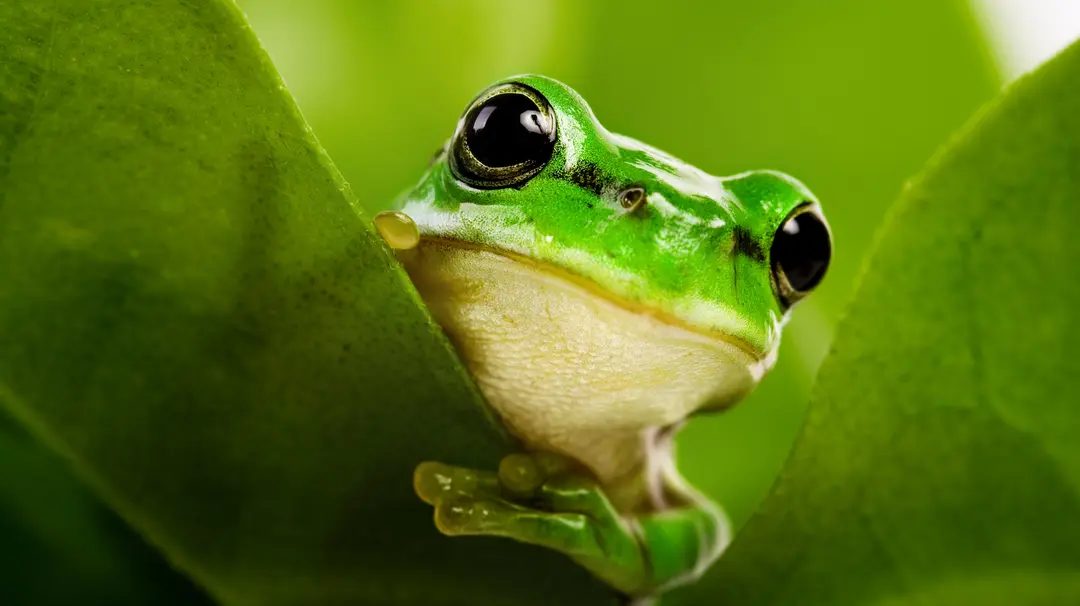
您可能在您的花园里见过一个。 欧洲青蛙,特别是“林蛙”属的青蛙,随处可见。 法国实际上是这些两栖动物的热点地区,拥有 38 种不同的物种。 对于看起来简单的绿色生物来说,这是多种多样的。
大多数长度都在 10 厘米以下。 它们的皮肤光滑,这使它们与长有疣的表亲蟾蜍区别开来。 但不要让简单性欺骗了您。 这些生物是工程奇迹,伪装成鸟类的块状零食。
大跃进的生物学
看看他们的腿。 其中两个长而有力,尖端有蹼。 它们的功能就像生物弹簧一样。 这种设置可以让青蛙毫不费力地将自己发射到两米高的空中。 这不仅仅是为了逃避掠食者; 这是为了在每一寸湿度都很重要的世界中有效地覆盖地面。
生命周期是两个世界之间的鲜明过渡。 作为蝌蚪,它们完全生活在水中。 他们吃水生植物。 然后就是变态。 三四个星期后,它们的尾巴就会消失。 腿长大了。 肺部发育。 它们移动到陆地上,但永远不会远离潮湿的地方。 树林、沼泽、池塘边缘——这些都是它们的区域。 它们需要水来繁殖,产下卵,然后孵化成蝌蚪,重新开始这个循环。
饮食习惯也发生了巨大的变化。 蝌蚪以植物为食。 成年青蛙是肉食动物。 它们吃苍蝇、蝴蝶、毛毛虫、蠕虫和软体动物。 他们是看似被动的主动猎人。
灌木丛中的物种
Not all frogs are the same. Take the edible frog “Rana esculenta” as an example. This is most common in Europe. 它们体型粗壮, usually near water, and have special hunting skills. It waits. It stays perfectly still until the insect approaches. 然后它伸出 its long, sticky tongue. 捕捉。进食。
And then there is Rana dalmatina, the nimble frog. You can recognize it by its 略微尖尖的头部. Its skin color perfectly imitates a dead leaf. It’s not just about hiding. It blends into the forest floor. Camouflage is its main defense mechanism.
High in the mountains, you may find 沼蛙, commonly known as 红蛙. As the name suggests, it ranges in color from reddish brown to black and has distinctive spots. 海拔改变 its appearance and habitat needs.
Why are these differences important? Because understanding the differences helps protect suitable habitats. Species that thrive in leaf litter require different conservation measures than species that require deep, still water. These are not interchangeable. These are tools built into an ecosystem that is currently under pressure.
“Especially in order to lay their eggs, they need to be near water.”
The common denominator is water. Without it, the magic of jumping is meaningless. 伪装也无济于事。 舌头也失效了。 Water is the anchor of their entire existence. As climate patterns change and wetlands dry up, these specialized adaptations will become a liability rather than an asset. When the leaves turn to dust, the frogs that burrow into the dead leaves have nowhere to go.
我们看见它们,却很少真正注视。 They are just part of the green background. But they are complex, adaptive, and closely related to the health of the water systems we depend on. 失去它们不仅仅是失去一种可爱的动物。 Biological indicators that something is wrong in the environment disappear.
The question is not whether we can live with them. The question is 我们能否维持 the moist, vulnerable spaces they need to survive. The answer will determine whether the next generation will find them in the garden or whether they will become a memory.
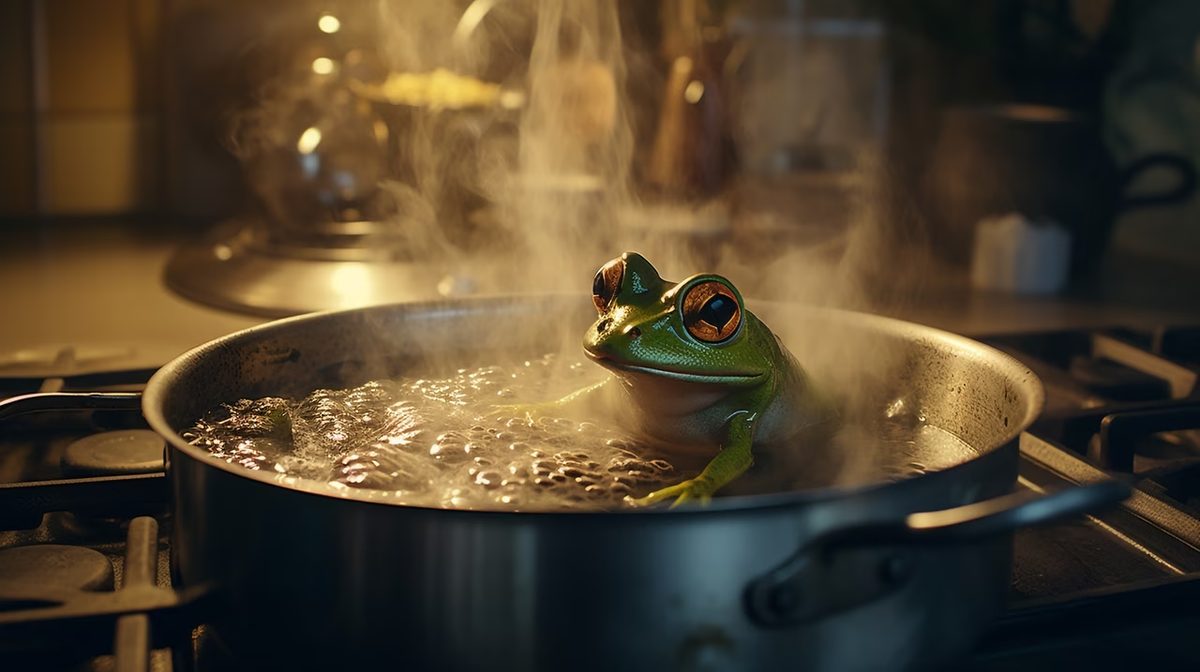
Let’s stop the noise. The story goes that if you throw a frog into boiling water, it will jump right out. However, if you put it in cold water and slowly increase the heat, the frog will stay there until it is cooked alive. The moral? We ignore incremental threats until it’s too late.
It sounds like a profound lesson in human complacency. But here lies the problem. The premise is biological nonsense.
The idea arose from a 19th-century experiment in which a scientist allegedly threw live frogs into boiling water. The frogs escaped. Then he tried the same thing with frogs in gradually heated water. They didn’t. Why? Because the heat was so great and the transition so slow, the frogs simply gave up trying to jump. They didn’t freeze because they didn’t notice the temperature change. They stayed because they were exhausted. Or dead. Or both.
Ectotherms and the reality of heat detection
To understand why the myth isn’t true, you need to look at how frogs actually work. Frogs are ectotherms. They do not produce their own body heat. They rely on the environment to regulate their temperature. This is why you see lizards sunning themselves on hot rocks. It’s survival mechanics.
Their biology is closely related to external temperatures. Digestion? Slower when cold. Movement? Sluggish. They are very sensitive to temperature changes. In fact, their skin is thin and highly vascularized. This means that it is full of blood vessels. It works like a biological sensor network.
When the water gets too hot, these sensors scream. Frogs also have skin glands that help regulate heat exchange. They also have a nervous system that can detect rapid changes in the environment. If the water temperature rises, they will react. Quickly.
The myth is that they don’t notice. Science says they are hyper-aware. The frog felt the discomfort of the rising heat long before it reached the lethal temperature. It jumps. If not, something else is going on.
The psychology of gradual change
Why does the story continue? Because it’s a useful fairy tale.
It’s not about amphibians. It’s about us. The boiling frog is a metaphor for how people deal with negative accumulation. We tolerate minor inconveniences. We accept incremental compromises. As long as the change happens slowly, no alarm bells ring for us. We stay in the cauldron.
This analogy is often used when talking about climate change. A half-degree rise in global temperature seems to be manageable. We have air conditioning. We have insurance. We adapt. But over the decades, these small increments add up. The water gets hot. The ecosystem collapses. The point is that humans lack immediate reactivity to slow-moving crises.
We wait until the water is boiling before we act. Then it is often too late to jump.
Why the difference is important
Confusing biological reality with psychological metaphor creates a false sense of security. We might think, “Well, the frog didn’t feel the heat, so maybe we don’t either.” This is a dangerous conclusion.
Frogs feel heat. You can’t always escape it fast enough when the conditions are right. However, humans have the ability to recognize gradual threats. We have data. We have science. We have the option to look at the thermometer and decide to turn off the stove.
The lesson isn’t that we are doomed to burn. The point is that we have to overcome our natural tendency to ignore slow-burning problems. The frog story works best when stripped of its biological claims. It’s a warning about perception, not physiology.
We don’t have to believe that frogs are stupid to understand that we can be blind to gradual danger. The water is rising. The question is, will we jump?