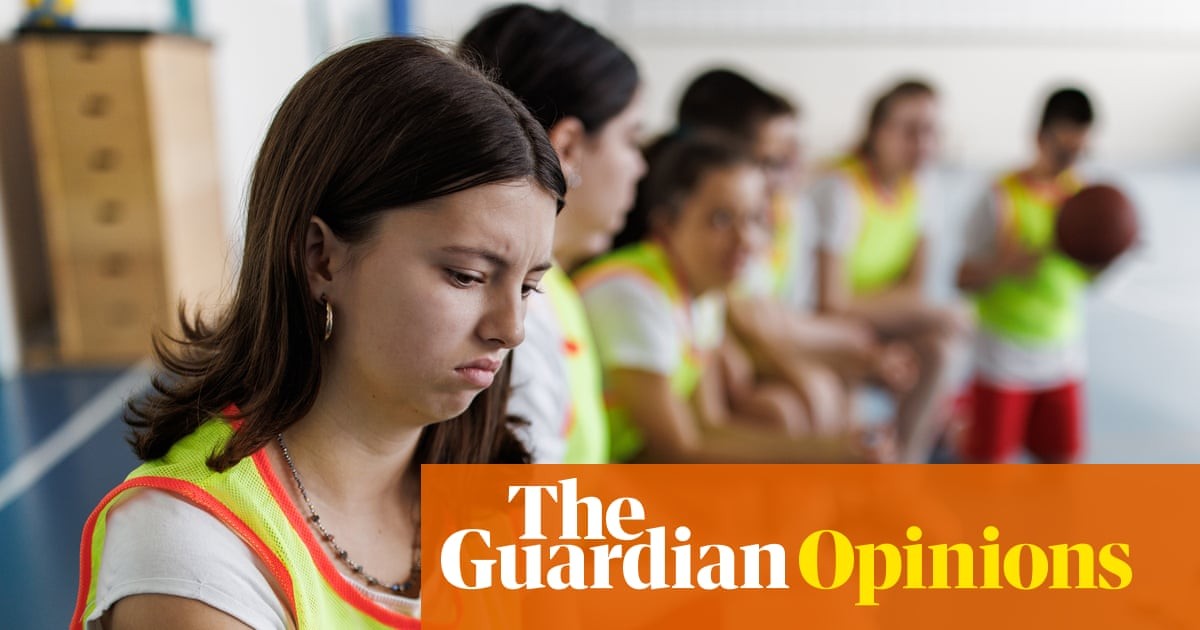
For many, the memory of physical education (PE) class is not one of fitness and fun, but of discomfort and social anxiety. A recent survey by Age UK highlights a startling trend: 30% of 50- to 65-year-olds reported that their experiences in school sports have discouraged them from exercising for the rest of their lives.
This statistic suggests that for a significant portion of the population, the classroom gym was not a place of empowerment, but a source of lasting aversion.
The Anatomy of “Unsettling” PE Experiences
What makes these school years so impactful? Research suggests that the negative impact of PE isn’t just about being “bad at sports.” A 2024 German study categorized these unsettling experiences into two primary psychological drivers:
- Perceived Vulnerability: Students often felt exposed and inadequate, frequently due to mandatory, impractical, or revealing sportswear that left them feeling physically and socially unprotected.
- Social Oppression: A hierarchy often formed in the sports field, where students deemed “lazy, weak, or unfit” were marginalized or pressured by both peers and instructors.
These environments create a lasting psychological blueprint. Instead of viewing movement as a tool for health, many individuals grow up believing that exercise is a performance they are destined to fail, or a social arena where they are unwelcome.
The Modern Echo Chamber of Fitness
The problem does not necessarily end with graduation. The modern fitness landscape often inadvertently mirrors the high-pressure, exclusionary atmosphere of a school sports field.
Current trends in the wellness industry can reinforce old insecurities:
1. Unrealistic Standards: Social media influencers often promote “improbable physiques,” making beginners feel as though their efforts are insufficient.
2. Aesthetic-Driven Studios: Many fitness environments prioritize a specific “look” over functional health, creating a barrier to entry for those who don’t fit a certain mold.
3. Aggressive Marketing: Even well-intentioned motivational slogans—such as high-intensity “no excuses” advertisements—can feel less like encouragement and more like the shouting of a whistle-toting PE teacher, triggering old feelings of inadequacy.
Shifting the Narrative
The disconnect between physical activity and well-being often stems from how movement is framed. While the biological benefits of exercise—such as improved mood and mental clarity—are well-documented, the cultural delivery of fitness often focuses on discipline, aesthetics, and competition.
If the goal of physical education were to foster a lifelong, joyful relationship with movement, the approach would likely look very different. It would prioritize comfort, inclusivity, and the intrinsic mental benefits of being active, rather than focusing on athletic prowess or social hierarchy.
The psychological scars of school sports can create a “fitness gap” that lasts decades, suggesting that how we teach movement in youth dictates how a society moves in adulthood.
Conclusion
The negative impact of school PE lessons is more than just nostalgia; it is a systemic issue that can discourage entire generations from prioritizing their health. To foster a more active society, the focus must shift from competitive performance to inclusive, approachable, and psychologically safe movement.