A Smaller Planet, A Better Shot
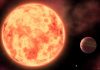
It used to be a maybe. A hefty rock circling a quiet red dwarf, possibly a mini-Neptune with no floor to stand on. Maybe it had a surface. Maybe it didn’t. Scientists were stuck guessing if GJ 3378 b was a potential home or just a crushing gas bag.
Then they measured it again.
New data, published in The Astrophysical Journal, changes the math entirely. This world isn’t five times heavier than Earth. It’s 2.3. That tiny shift in numbers matters. A lot. If it were that big, it’d likely hold a thick, crushing envelope of gas. Rocky? Probably not.
At 2.3 Earth masses? It’s almost certainly a rocky Super Earth.
That means a surface you could stand on. An atmosphere that might actually behave like the one we know. The pressure wouldn’t be the main event, crushing anything fragile. It could be normal. Actually normal.
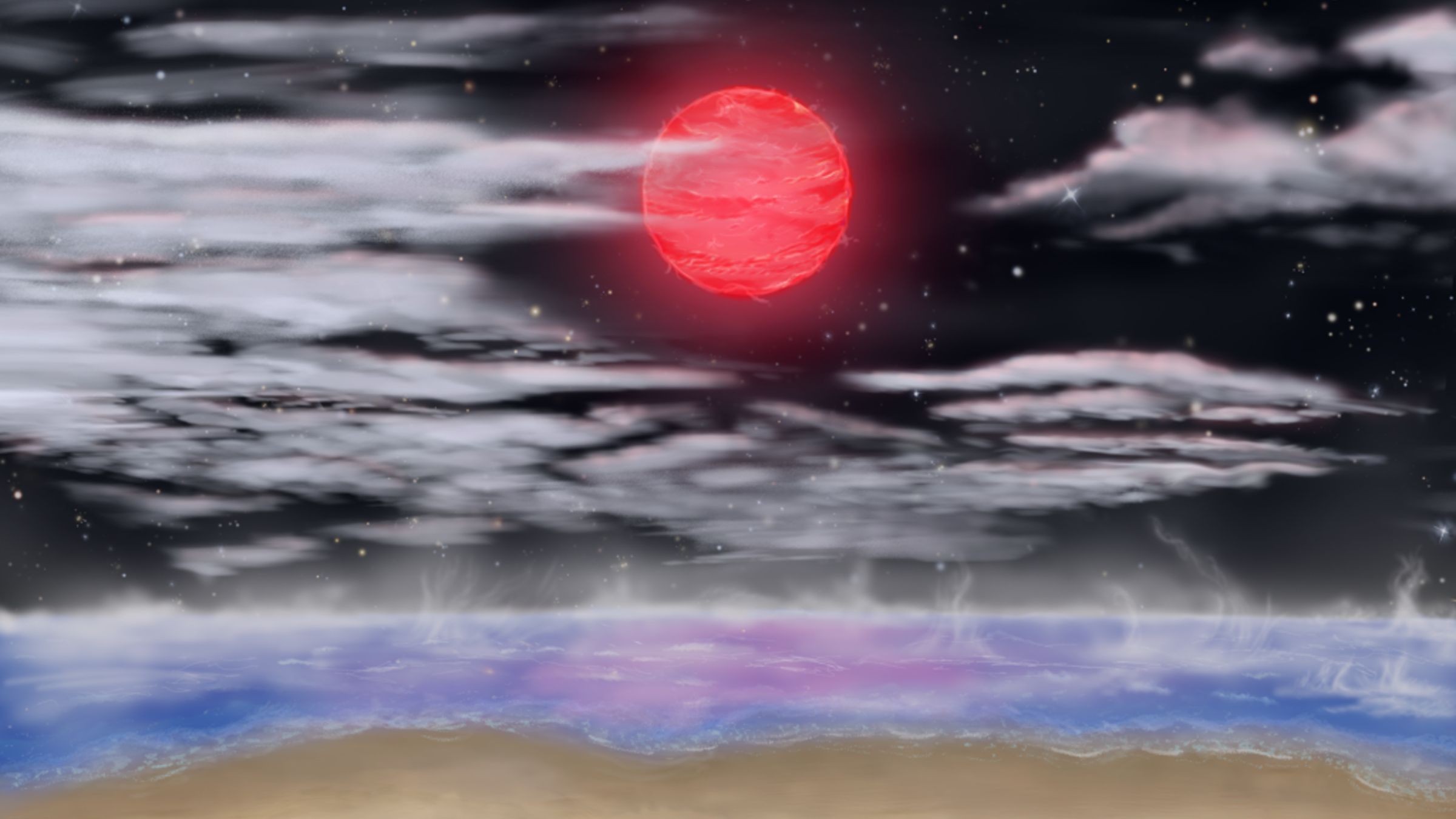
GJ 3378 B sits close to its star. Really close. Twenty-one and a half day years. In our solar system? It would be toast. Instantly. But the host is a red dwarf, faint and dim, radiating about 90 percent less energy than the Sun. So this tight orbit puts the planet right in the middle of the habitable zone. Not too hot. Not too cold. Just right for liquid water.
Proximity is Power
Distance is the enemy of detail. This planet is 25 light-years away. That sounds far. It is.
But in a galaxy spanning 100,00 light-years? It’s next door.
Paul Robertson from UC Irvine called it exciting for exactly that reason. Easy access means better data. We don’t have to guess as hard.
“25 light-years sounds like a large distance, but relative to the galaxy, it is a next-door neighbor.”
There is a catch, though. Proximity to the star brings trouble too. Red dwarfs can be moody. They blow stellar winds that can strip atmospheres clean. Look at Mars. Once it had oceans. Now it’s dry dust because the Sun—gentle Sun—still managed to eat its air over billions of years.
GJ 337 B has no confirmed atmosphere right now. None. We haven’t seen it. It might be gone. Or it might still be there, fighting off the wind.
That is the unknown variable.
The Next Steps
We need eyes on it. More observations. Specifically, using tools like the Habitable Zone Planet Finder at Texas’ McDonald Observatory. These instruments catch the subtle wobbles in a star’s dance. Those tugs tell us the planet’s true weight. They helped correct the initial mass error. They can help confirm if there’s air left to breathe.
If there is air, the priority shifts. Fast.
A planet with an atmosphere in the habitable zone gets front-and-center billing for biosignature hunting. Gogod James, a co-author on the study, put it simply. Justify the search. Look for the signs.
It is rare to get a nearby candidate that fits so many boxes. Rocky. Close. Habitable zone. Red dwarf host, which is the most common star in the Milky Way. If life exists anywhere nearby, the odds say it orbits something like this.
Or it doesn’t.
The planet is small enough to be rocky, close enough to study. Whether it has water is the question. Whether it has life is the guess. Right now, it’s the most interesting guess in town. And we haven’t even started looking at its skies.