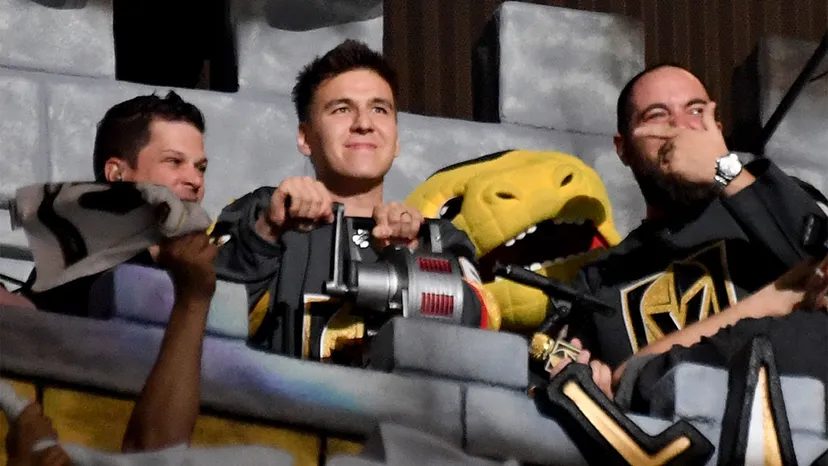
The buzzer sounds. Alex Trebek finishes reading a clue. In a fraction of a second, James Holzhauer locks it in.
It’s not just reflex. It’s mathematics.
Holzhauer is currently dominating Jeopardy! ’s 35th season. As of May 20, 2019, his tally hit $1,780,237 after just 23 days. That is the second-longest winning streak in the show’s history. He is 34. He is a professional sports gambler. And he is turning the iconic quiz show into something else entirely.
Ken Jennings still holds the all-time record. In 2004, Jennings went 74 games and banked $2,520,700. Holzhauer’s current run makes Jennings’ total look modest. At his pace, Holzhauer averages $77,401 per episode. If he played 74 games at that rate, he would finish with $5.7 million.
Is he going to break Jennings’ record? The trajectory suggests yes. But the real story isn’t the final number. It’s how he got there.
Mastering the Jeopardy Buzzer Mechanics
Timing is the first hurdle. Most contestants treat the buzzer like a reflex test. Holzhauer treats it like a science.
During his first pre-show orientation, he asked pointed questions about the mechanics. He went home and read a book by a former champion that broke down the technicalities.
Here is the trap: The host reads the clue. A staff member must manually activate the buzzers. If you click before the “enable light” turns on, you are locked out for 0.25 seconds. That is an eternity. It is enough time for a slower, calmer opponent to buzz in and steal your point.
Holzhauer waits. He doesn’t trigger-happy. He calculates the delay. He clicks the exact millisecond the system allows. It is a small gap. It is also why he gets so many answers right.
Betting Large on Jeopardy Daily Doubles
Holzhauer bets differently. Most players hedge their bets once they have a comfortable lead. They play it safe. They bet small to protect their winnings.
Holzhauer doesn’t do safe.
He uses gambling lingo. He treats the Daily Double like a high-stakes table. His accuracy is 97 percent. He is right almost every time. This allows him to go all-in.
By May 20, he had answered 52 out of 56 Daily Doubles correctly. On April 17, he set a single-day record of $131,127. He also holds the record for the largest Final Jeopardy wager: $60,013.
It seems aggressive. It looks risky. The show’s viewership has gone up because of it. Jeopardy! is now the No. 1 syndicated show. People tune in to watch him take massive swings. Ad revenue follows the eyeballs.
The Strategy Behind Big Jeopardy Bets
Why bet big? Because he wins early.
Standard strategy is to start with low-value clues to warm up. Then you hit the high-dollar categories later. Holzhauer flips this. He goes for the big bucks first.
This builds his bankroll instantly. It gives him the leverage to make massive bets on the Daily Double later in the game. The math is simple. If you have more money on the board, you can bet more. If you bet more, you win more.
Of his first 19 games, 17 were runaways. The other two contestants couldn’t catch him mathematically. The board was already dead.
On April 29, he won by a mere $18. His opponent matched his buzzer speed. They picked the same categories. They made big bets. It looked like a glitch in the matrix. A fluke. He hasn’t come close to that margin since.
Previous Game Show Experience
Holzhauer isn’t new to the pressure. In 2014, he competed on The Chase. The show pits a professional trivia expert against regular people.
Mark Labbett, the pro, called it “the worst beating I’ve ever had.”
Holzhauer tried for Jeopardy! many times. He took the online test every year. He auditioned twice. He even auditioned for Sports Jeopardy!. He waited about 23 months from his final audition to get the call.
“I’m very happy they called this time,” Holzhauer said on the Jeopardy! website. “I think I had to wait about 23 months from my audition.”
He had the chops. He just needed the door to open.
Trivia Sources and the Forrest Bounce
Where does he get the answers? He doesn’t read heavy nonfiction. It’s boring. It’s dense.
He reads children’s books.
“I’ve talked about the children’s aisle at the library or the bookstore,” he said. “Books that engage children… come at you rapid fire with different subjects. I’ve seen lots and lots of answers that came straight from that.”
It’s a strange source for high-level trivia. But children’s books are designed to teach facts quickly. They are efficient.
His betting strategy has a name, too. It’s the “Forrest Bounce.” Chuck Forrest invented it. You hit the highest money tile first.
Alex Trebek reportedly hates it. Trebek says it disrupts the “natural order” of the show. The clues are supposed to go in ascending order. Holzhauer ignores the order. He plays the odds.
He’s not just playing the game. He’s dismantling it. Piece by piece. Tile by tile.
The question is whether anyone else can copy the method. The buzzer timing can be practiced. The risk tolerance can be learned. But reading Dr. Seuss for game show prep?
That part might be unique.