


Concert tours are like machines that print money as long as there are enough willing fans to pay. Take Miley Cyrus in 2007 and 2008. Her first “Best of Both Worlds” tour grossed $45.3 million. The stage was set for her transition from TV star to musician, and the need was immediate. Fans of her “Hannah Montana” series rushed to buy tickets. It sold out in minutes. It was the perfect storm of teenage idolatry and hunger for live performance.
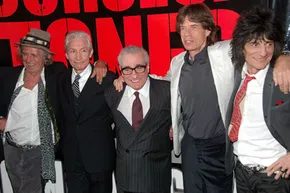
Let’s look at the heavyweight champion of profits. The Rolling Stones. Mick Jagger and the band have been performing on stage for decades, but the ‘A Bigger Bang’ tour broke that record. From 2005 to 2007, it grossed a staggering $558 million. This is not a typo.
But the reality is this. Cyrus and Jagger don’t survive on ticket sales alone. This tour was held to celebrate the release of their new album. Miley has Hannah Montana 2: Introducing Miley Cyrus. The Stones had “A Bigger Bang”. The real side income comes from the later concert films. The 3D Disney version of the Miley Tour has grossed over $65.3 million before it even hit cable screens. Martin Scorsese’s documentary Shine a Light pulled in $5.3 million.
What happens if you suddenly become a sensation or a rock legend? How complicated is it to put a tour together? Is it worth the sweat? This process includes detailed planning, promoter negotiations and crew hiring. Let’s take a closer look at the first step.
Initial Planning of a Concert Tour


Thinking of a trip? Before you book the first venue, stop for a moment. Touring is more than just playing songs. It’s a logistical nightmare that requires serious preparation. Before you even look at the date, you need to say a definite “yes.”
To achieve this goal, you need to be very honest with yourself. Ask the tough questions first.
Do you really have enough material? Can you play the same songs every night without getting tired? Do you have a reason to leave now, like releasing a new album? Do you have products for sale? Are the fans actually buying tickets or are they just talking?
“It’s not unusual for touring bands to have limited profitability.”
And then there’s the band dynamic. Can you live in a van with your best friends? What is your goal? Exposure? Cash? If you’re after a big check, you might want to rethink your strategy.
Let’s be honest. Unless you’re Miley Cyrus or the Rolling Stones, you’re not going to get a lot of money from tickets alone. Venue cuts, salaries for promoters, ticket sellers and staff, equipment rentals, gas and hotel expenses consume most of the revenue. Add in the decline in CD sales and the shift to streaming, and your bank account may be thinner than expected.
History proves this. Gerald Casale from Devo recalled that on the 1980 Freedom of Choice tour (which grossed $2 million), each member took home only $12,000. This is simply because T-shirt sales support their income. They toured again in 2004, but the lesson remained: touring was about exposure, not instant riches.
Preliminary Tour Planning
When you decide to go, it’s time to work hard. This is usually the manager’s responsibility. Before you tell others, you need a plan.
Let’s start with the basics.
– where? ** What city and location? What is the approximate route?
– what? What equipment should I bring? What is needed on site?
– WHO? How many people do you have on board? What skills do they need?
– How much? What is the budget for wages, equipment and transportation?
– How long? **What are the restrictions on the number of shows and the length of the tour?
You have to understand your voice and the needs of the stage. Do you need special lighting? A sound technician? This is not a guess. This is logistics.
Work with concert promoters
you have a plan. Now you need the gigs.
This is where you bring in help. If you have a music agent, that’s great. If not, you need it. Ultimately, however, you or your manager must work through the concert promoter (or tour promoter). They organize the show themselves.
The promoter is responsible for local logistics, marketing and venue contracts. They connect you to your audience.
Know your limits before you reach them. Know the cost. And know what you’re willing to compromise on.
Business is tough. Profits are extremely slim. But if you’re willing to do the work, the road is waiting for you.
Top Grossing Concert Tours of 2007
Observing industry giants can help set expectations. In 2007, veteran performers dominated the top spot. Only Josh Grobin and Rascal Flatts toured after 2000. Average ticket price for the Top 100 tour was $61, up 8% from $57 a year ago.
This year’s top players are:
- Police: $133.2 million
- Kenny Chesney: $71.1 million
- Justin Timberlake: $70.6 million
-Celine Dion: $65.3 million - Van Halen: $56.7 million
- Tim McGraw and Faith Hill: $52.3 million
- Rod Stewart: $49 million
- Genesis: $47.6 million
- Josh Grobin: $43 million
- Rascal Flatts: $41.5 million
These numbers are impressive. But for most bands, the reality is closer to the Devo model than the Police model. Please proceed with caution.


I forgot to reserve a date for myself. I can’t go very far. A place is more than just handing over a key to a stranger. They work with promoters. Sometimes they even own it. For this, you need to enter into an agreement with the travel promoter.
Promoters just don’t show up. they arrange. Ensure profitability. It means introduction. To advertise. funding. They are responsible for the operation of the arena. club. hole. festival. They found talent. site. Labor on site. Then they put it up for sale [source: Berklee College of Music and Full Sail].
Leading companies and 360 offers
Live Nation and AEG Live dominate the national scene. They don’t just promote the show; They sign artists. Check out the 360 deals signed by Madonna, Nickelback, Shakira and Jay-Z. These are not just for tourism. Covers almost all outputs. music. concert. goods. Recognized. Broadcast rights.
Don’t rely on these contracts.
These companies are looking for famous stars. The value remains for 10 years. It was too risky to take on an up and coming band. economically. this is.
We are looking for regional promoters
So how can you play? My manager or your music agent will meet with local promoters. This is where it starts. You can find them as follows:
- Use the web. Verbal recommendations are valid. Start with that.
- Check industry offers. Billboard and Polestar are keys. Pollstar sells a list of booking agents and venues.
–Contact the venue. Ask someone who works at the place you want to play.
Once we have decided on the name, our representative will contact you. Submit a genre. background. previous experience. your music CD.
“The standard contract is the American Federation of Musicians’ AFM Performance Contract.”
Night: Where the real battles take place
If the sponsor agrees, the deal is done. The standard contract is AFM Performance Contract. It’s very short. The payment is valid. profit sharing. date. place.
But what about the riders? Details are here. It was probably about 10 pages long. They take care of every detail.
- Organizer’s fees.
- Ticket policy. Includes free entry.
- Title requirement. make. Ad.
- Device failure. Rent and offer.
- Hire a local crew.
- Dressing room. Safety. food. travel.
- Cancellation policy.
Price is not the only factor. You also need a schedule.
Create a logical travel route
Negotiations on prices and revenue sharing are still in their infancy. The real struggle starts with checking the promoter’s daily itinerary. Must check carefully.
Don’t settle for a nightmarish route with intersecting and overlapping intersections. The venues should follow a geographically logical path. Hopping from coast to coast in a week is not a tour. you’re on your way, I get tired before I can even make a sound.
Allow enough travel time. A traffic jam occurs. The weather doesn’t matter for the soundcheck. If you don’t account for delays, practice time will be wasted. Do you have days off? These are non-negotiable. After a few hard days of travel and performance, you need a buffer to recover. Without them, the trip would be ruined.
The hidden necessities of travel
Playing the set is only half the job. Promoters and labels want you to be a brand, not just a musician.
local promotion. media interview. Fan meet-and-greets. Autograph session. These requirements consume limited downtime.
You can expect flexibility. The beginning of the journey may be set in stone, but the end is fluid. If sales in one city are low, the show can be canceled and replaced by a show elsewhere. High sales? Trips can be extended. You can make requests, but remember that promoters are trying to make money. They want you to work instead of rest.
“You can’t always get what you want.”
Market fluctuations and audience changes
The industry landscape has changed dramatically. In 2008 alone, CD sales fell 25% from the 2000 level. Record labels, pop stars and unknown bands started touring to survive.
However, the economic headwinds are strong. Rising gas prices have squeezed bands that have already been driving low-mileage vans full of equipment. Fans on a budget aren’t willing to pay more than $75 for a ticket to a big name artist.
In addition to economic factors, the demographic structure of concertgoers is also changing.
- **Heritage acts dominate. ** In 2006 and 2007, The Rolling Stones and other older stars topped the list of the most profitable tours. Of the top 20, only Justin Timberlake and Christina Aguilera are under 30 years old.
- **Older stars have captive audience. ** Their fan base grew up with top 40 radio and album sales and ensuring filled halls.
- **Young fans are fragmented. ** Today’s fans get their music from their phones, social networks, iTunes and Limewire. Traditional radio is largely irrelevant to them.
This disconnection increases the risk of riskier. You aren’t just competing for tickets; you’re competing for attention in a fragmented media environment.
Assemble a support team
Once you’ve set your schedule and signed the contract, you’re ready to go. Sort of.
You can’t do this alone. Production manager and dedicated staff needed. These people are responsible for logistics, heavy lifting and technical setup on the road. Without them, tour stalls.
Hire concert tour staff


Local venue staff may be listed in your contract, but relying solely on them is risky. You need your own crew to travel with your band from end to end. These traveling warriors understand your equipment and the flow of the show. They are the ones who make sure the concert runs smoothly when things inevitably go wrong.
An important role in the touring band
To achieve a successful trip, you need certain professionals to keep the machines running. Important tasks to include on your list include:
- Travel Manager or Road Manager : This person is responsible for logistics. They take care of your travel arrangements, pay your bills and solve any problems. They are the glue that holds our daily activities together.
- Production Manager : Supervises technical staff and coordinates with local workers in the field. Their primary role is to oversee the movement of equipment between venues, including set-up and tear-down.
- First Man : This person arrives at each venue before the band. It offers road owners peace of mind by ensuring that all arrangements are in order.
- Stage Manager : Manages the flow of performers and staff on and off the stage. It also provides room lighting cues, ensuring a visually seamless transition between tracks.
- Sound Engineer : Their responsibility is to operate the front of house console. They mix the sound that the audience hears during the live performance.
- Monitor Engineer : This role is the ears of the band. They use display consoles and control what the musicians hear through stage wedges and ear monitors.
- Sound Crew : A team led by a sound and control engineer installs, dismantles and operates sound equipment.
- Lighting Operator : Operates the lighting console and supervises the lighting staff.
- Lighting Staff : These technicians install, operate and dismantle lighting equipment. Special effects such as smoke machines and elevators can also be handled.
- Backstage Staff : Manage performers’ instruments and equipment and make sure everything is ready for the show.
“Roadies are invaluable because they know the band, the show and the equipment better than anyone else.”
Things to be careful about when hiring
Hiring the right people is just as important as filling the right positions. When building your team, look for certain qualities such as:
First, you need to be flexible and adaptable. Problems may occur during the concert. We are looking for someone who can handle situations calmly and quickly.
Second, they must be team players. Friction on the road can undermine morale. Find someone who gets along well with the band and other managers.
Third, they must be professional in their work. It is necessary to know the devices in order to use them effectively in unfamiliar spaces.
Ultimately, it takes commitment. Camping is uncomfortable. You need someone who is loyal enough to the band to stay on the tour until the end.
Industry longevity advisor
If you want to succeed in the concert world, listen to what industry insiders have to say about sustaining your career.
A big mistake bands make is playing too many of the same clubs. If you don’t change your location, ticket sales will start to drop.
Another important point is to understand the difference between a recording and a live performance. Give your audience an unforgettable performance. A live performance is more than just playing; it’s an experience.
You also need to take the time to reinvent yourself. Look at Madonna and the Rolling Stones. They keep updating the show to keep fans coming back year after year.
Finally, explore all possible sources of income. Tourism revenue is not just box office revenue. Add band merchandise, fan clubs, TV show and video game licenses to your portfolio.
You can find more information about the concert tour in the links on the next page.
The real world behind Encore
It’s easy to forget that all the glitter and fireworks are just the surface. What follows is a maze of logistics, legal wrangling and brute force. It’s not just about playing notes. It’s about transporting a city’s worth of people and equipment across state lines without losing your mind or money.
If you’ve ever wondered how to manage a music tour, the answer lies in the mundane details. Take the equipment. It’s not just about carrying a guitar. We move large sound systems, lighting equipment and backline gear. The band might look effortless on stage, but the crew is sweating bullets to make sure the kick drum hit the right frequency in this venue built in 1952.
Who actually booked the show?
You might think that bands only invite promoters. That’s a nice myth. In fact, it is a negotiation dance. Agents pitch the act. Promoters assess the risks. Venues provide the stage. It’s a triangle of tension.
“The show must go on, but only if the contract is signed and the advance payment is clear.”
Look at the mid-2000s. We saw acts like Nickelback ink massive deals with Live Nation. It’s not just about album sales. This ensures that the touring infrastructure can accommodate arena-sized crowds. Bands like Devo, on the other hand, took a slower and more evolved approach to touring the US. Why? Because travel costs have skyrocketed and there is no room for error.
The business side of fame
Let’s talk about money. In fact, most bands lack thereof. Of course, Bon Jovi and the Spice Girls topped the tour chart in mid-2008. They were making bank. But for every one of them, there are a hundred bands sleeping in vans and eating sushi they bought at gas stations.
This industry is tough. The 2008 recession hit hard and made the road harder than ever. Bands had to tighten their belts. Production budgets were slashed. If you want to know why some tours fail and others dominate, look at the balance sheet, not the setlist.
And then there are the superstars. Miley Cyrus was making headlines as Hannah Montana. Not just for the music, but for the 3-D concert special on Starz. She was expanding her brand beyond the stage. But even she faced backlash. Although fans were unable to attend, Ticket bonanzas and reseller investigations became an issue. The result was a chaotic secondary market that frustrated everyone from venue staff to loyal fans waiting in line.
Where are you going next?
The infrastructure is huge. The American Federation of Musicians protects workers. You have Pollstar tracking the gross and net sales of every gross and net ticket sale. You have specialized guides on concert tour production management that teaches young producers how to take a show on the road without falling apart.
This is an ecosystem. A fragile, expensive and exhausting ecosystem.
If you’re interested in the technical side, learn how live sound engineering works. It’s a science. If you’re interested in a career path that leads to tour booking, look at music business management degrees in music business management. Berklee College of Music has a course dedicated to this precise polishing.
But don’t be fooled by the attractive images. There is still a long way to go. Sleeping time is short. The stakes are high. When the lights go down, you better hope the soundcheck is perfect. Because there is no second act.


