
Turkish cinema started more than 100 years ago. Just like the film industry in all countries, the film industry also changes as society changes. This media bears traces of all its surviving eras.
The real excitement began in the 1920s. This was the Theater Era. Muhsin Ertuğrul left his mark during this period. His films were very popular until the late 1930s.
Ertugrul does more than just entertain. He set many firsts for Turkish film. He changed the market. He set the pace.
In the 1940s, things had changed. The theater has lost its grip. The industry is going through a time of change. These movies are just a warm-up. They prepared the ground for the Cinemators Era.
Then came Yeşilçam. Melodrama gives it power. The genre has created its own stars. It built its own formulas.
Production became serial. The output explodes. There were years when more than 300 films were released.
“Yes, my musical consists of Kendi Kendi and my mom, and I plan to release the movie within 300 hours.”
How Turkish Cinema Evolved from Theater
In its early days, it was closely linked to the tradition of the stage. The director brings a theatrical approach to the shows. This affected the style of play. It shapes the way storytelling is told.
Muhsin Ertuğrul is an important character. He pioneered new techniques. His work defined the scene of the 1920s.
The transition of the 40s meant independence. Filmmakers were freed from the constraints of the theater. This allows for different narratives.
Yeşilçam took advantage of this freedom. Melodrama is the main driving force. It built its own formulas.
The scope of production has grown significantly. It has become common to screen hundreds of films each year. This volume defined an era.
Why transition is important
between the Theater Era and Yeşilçam, was not idle. This is preparation. The filmmakers did an experiment. They learned.
This foundation supported later prosperity. Without it, the 300-film years might not have happened. It takes time for the industry to adapt.
The impact on society remains the same. Cultural changes are reflected on the screen. This film reflects the changes in the country.
Yeşilçam’s rise was no accident. It is built on decades of evolution. From Ertugrul’s early works to mass production, every step is important.
The legacy of this trip lives on. Contemporary Turkish cinema still retains these historical aspects. The journey from silent films to digital cinema has been long. It’s still a story of adaptation.
Turkiye’s shift away from black-and-white imagery didn’t happen overnight, but when it did, the visual language of local stories changed. Halıcı Kız holds the record of being the first color film released in 1953. This was a technological milestone that bid farewell to the black and white era that dominated early productions.
In the mid-1960s, Turkish directors were already looking abroad. In 1964, Susuz Yaz, directed by Metin Erksan, won the Golden Bear at the Berlin Film Festival. In the same year, the Antalya Golden Orange Film Festival was organized for the first time. These events show that Turkish cinema is no longer just a domestic industry, but competes on the world stage.
Production grew rapidly in the 1970s. In 1972 alone, producers made 299 films. For the first time, color film surpassed black and white film. Viewers are ready for brighter and more vivid visuals.
Then came Yol.
The 1982 masterpiece directed by Şerif Gören and written by Yilmaz Güney won the main prize at the Cannes Film Festival. The Palme d’Or is more than just a film award. This proves the depth of Turkish cinema. The collaboration between Güney and Goren remains one of the most important in the country’s history.
These moments are not isolated. They create the foundation. Every award, every innovation has paved the way for the diverse landscape we see today. But the story doesn’t end there. The industry is constantly evolving and adapting to new technologies and new audiences. What happens next has yet to be written.
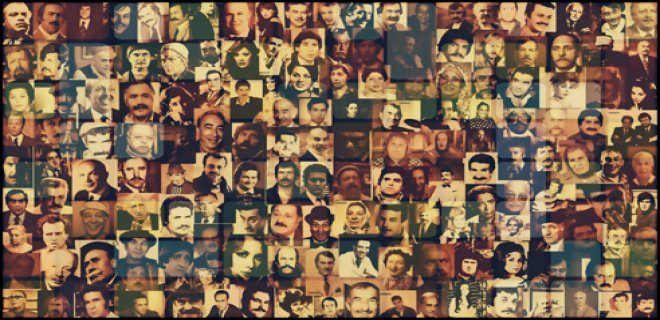
Why Yilmaz Güney’s Umut still defines rebellion
Some movies do more than just go down in history. They carve themselves into it. Umut (hope) is one of those rare beasts. Released in 1970, it was more than just a movie. It’s a manifesto wrapped in celluloid. Yılmaz Güney didn’t just act. He co-wrote it with Şerif Gören. He also directed the film. Such complete control is rare. In the chaotic, fast-paced world of Yeşilçam, this is even rarer.
The story is simple. Brutal, really. It is the story of a group of desperate people trying to survive the harsh realities of Anatolia. Poverty isn’t a backdrop here. It’s a character. It doesn’t care about your dreams. The title “Umut” is ironic. For hope? This is a luxury that is beyond the reach of these people.
Güney’s performance? Unforgettable. He plays the leader. Charismatic. Angry. tired. You can feel every beat of his heart. The camera stays close. intimate. Unflinching. It forces us to look at things that society tends to ignore. The poor. Forgotten. Those who fight to breathe.
This movie changed everything. It proved that Turkish cinema could be more than melodrama. It’s not just a musical interlude. It could be real. It can be raw. It can hurt.
And it still does.
Legacy of a broken system
Umut wasn’t made in a vacuum. Turkey in 1970 was a powder keg. political tensions. economic crisis. Social unrest. This film captures that energy. It is not just a reflection of time; It amplified them.
Critics called it dangerous at the time. Some say it’s too dark. Very honest. But the crowd came in droves. Why? Because they see themselves in those broken people. They saw their own struggle. Their own unspoken rage.
Güney’s direction was innovative for its time. Use natural light. Working with a handheld camera. The stark landscapes. All this contributed to a gritty realism that was unheard of in Turkish cinema. Not polished. It’s not pretty. But it is powerful.
The impact of the film lasts long after the end credits roll. It influenced generations of filmmakers. Directors such as Nuri Bilge Ceylan and Semih Kaplanoglu have cited Umut as their main source of inspiration. They carry that torch. Commitment to truth. To the ugly, beautiful and painful reality of everyday life.
More than just a movie
Today, Umut is considered a masterpiece. A cornerstone of Turkish cinema. It’s studied in film schools. Analyzed by critics. But this is not just an academic exercise. This is a living work of art.
Watching this film today, nearly five decades later, feels like looking in a mirror. The struggles are different. The faces are different. But what about the pain? despair? The search for dignity? This is universal. It is eternal.
Yılmaz Güney’s life was as eventful as his films. in his exile. his death. his legend. It all adds layers to Umut. It becomes more than a story about poor men. It became a symbol of resistance. The human spirit refuses to be broken, though
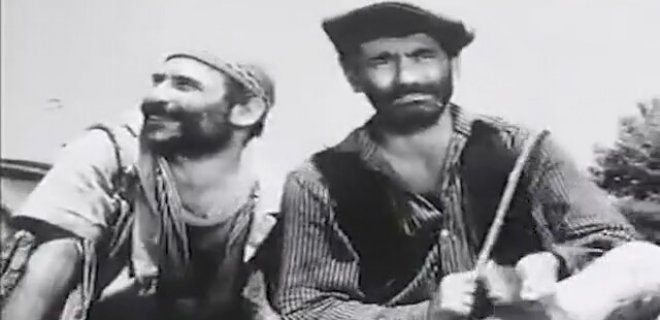
Yılmaz Güney, toplumsal gerçekçilikle çektiği filmlerle, Yeşilçam’ın kraliçesi melodramın tahtını sarsmaya çalıştı. O dönemde sinema salonlarına hâkim olan duygusal patlamalara karşı, sert bir gerçeği dizdirdi bu sinemacı. Sadece bir film değil, bir uyarıydı o yapımlar. Sonra gelen siyasal dalganın habercisiydi.
Atıf Yılmaz’ın 1966 Aynası: Ah Güzel İstanbul
Peki ya Atıf Yılmaz’ın Ah Güzel İstanbul u? 1966 yapımı o klasik, Yeşilçam’ın altın döneminin simgelerinden biri. Yılmaz Güney’in sert mesajlarından çok farklı bir evren. Burada İstanbul, sadece bir mekan değil, bir karakter. Sarhoşlar, şarkılar, kıskançlık. Melodramın tam kalbinde.
“İstanbul’un en güzel ve en güzel olmayan yerleri aynı ekranda buluştu.”
Atıf Yılmaz, bu filmde İstanbul’un iki yüzünü gösterdi. Bir yanda lüks, diğer yanda yoksulluk. Yılmaz Güney ise o yoksulluğun nedenlerini sorguluyordu. İkisi de İstanbul’dan bahsediyordu. Ama farklı bir dil kullanıyordu.
Neden Önemli? Yeşilçam’ın İkilemi
Ah Güzel İstanbul, melodramın ne kadar güçlü olduğunu gösterdi. İzleyiciyi etkiledi. Yılmaz Güney’in filmleri ise rahatsız etti. Bu ikilem, Türk sinemasının sonraki yıllarındaki dönüşümün tohumlarını attı.
Yeşilçam, bu iki akımı dengelemeye çalıştı. Bazı yapımcılar her ikisini de kullandı. Ancak Yılmaz Güney’in etkisi, daha sonraki dönemlerde daha belirgin hale geldi. Ah Güzel İstanbul ise o dönemin ruhunu yakalayan bir belge oldu.
Karşılaştırmalı Bakış: Melodram vs. Gerçekçilik
| Özellik | Melodram (Atıf Yılmaz) | Toplumsal Gerçekçilik (Yılmaz Güney) |
|---|---|---|
| Odak | Duygular, aşk, aile | Sınıf çatışması, yoksulluk, siyaset |
| Karakterler | İdealize edilmiş, dramatik | Gerçekçi, yara almış, silik |
| Mekan | İstanbul’un romantik yüzü | Gecekondu, fabrika, mahalle |
| Mesaj | Duygusal arınma | Eleştiri ve uyanış |
Bu karşılaştırma, iki yaklaşımın ne kadar farklı olduğunu gösteriyor. Ah Güzel İstanbul, izleyiciye bir kaçış sundu. Yılmaz Güney ise bir ayna tuttu. Her ikisi
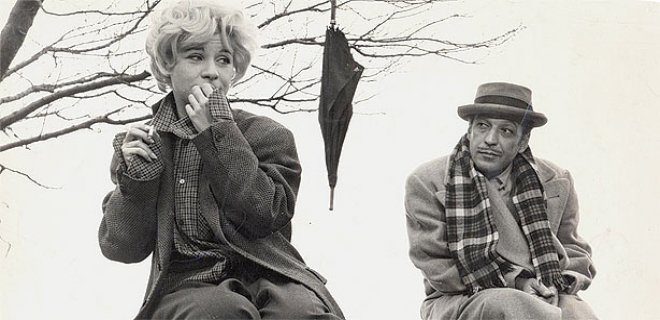
Redefining the Golden Age of Turkish Cinema
As we look back at the milestones of Turkish cinema, Atıf Yılmaz’s Ah Güzel İstanbul stands out. This is more than just a movie. This is a love letter to the city. But to truly understand its meaning, we need to look at the era in which it was created. The beginning of the 1950s. “Sinemacılar Dönemi” (Cinema Makers Era).
This is not just a one-time thing. This is a revolution.
Before that, Turkish cinema had a close relationship with theater. The actors perform on stage and then repeat the same exaggerated movements in front of the camera. It was stiff. Predictable. Then came the masters.
Ömer Lütfi Akad was at the forefront. Like other giants, he doesn’t just direct movies. He proved that cinema is an independent art form. You don’t need crutches like on a theater stage. It could stand on its own two feet.
This change changes everything. It brings new life to Turkish cinema. A new pulse.
Vesikalı Yarim (1968)
Fast forward to 1968. Akad releases Vesikalı Yarim.
The title roughly means “Certificate Fiancée”. This is a comedy, but don’t let the genre fool you. It’s sharp. Witty. This is a perfect example of early innovation evolved into.
By the end of the 1960s, the industry had matured. The awkwardness of the early days is gone. Instead, it adopts a confident, self-aware style of storytelling. Vesikalı Yarim shows this maturity.
Akad had spent the previous decade building the foundation over the past decade. Now he is harvesting the results.
Why this era still matters
You might wonder why we would delve into the history of cinema from the 1950s and 1960s. It’s simple.
Without this particular period of experimentation, modern Turkish cinema would not exist in its current form. The freedom these directors found allowed them to approach social issues with nuance. Capture the real Istanbul, not just the postcard version.
Atıf Yılmaz captured the soul of the city in Ah Güzel İstanbul.
Ömer Lütfi Akad gave the technical backbone of the industry with films such as Vesikalı Yarim.
Together, they defined what it means to be a Turkish filmmaker.
The Legacy of the “Cinema Makers”
It’s easy to forget names these days. Akad is famous, sure. But Yilmaz? Although his work “Ah Güzel İstanbul” remains iconic in the country, it may be less so in the international canon
There are others. Doğan Yücel. Memduh Ün. They are all part of the same wave. They push boundaries. They asked, “What if we shot on location? What if we used natural light? What if the dialogue wasn’t staged?”
The answer is always better movies.
During this time, it wasn’t just about making movies. It’s about defining national identity through the lens.
Looking Back to Move Forward
Now, when you watch Ah Güzel İstanbul, you are watching more than just a romance. You are looking at the fruits of hard-earned artistic independence. You’re seeing a city that feels alive.
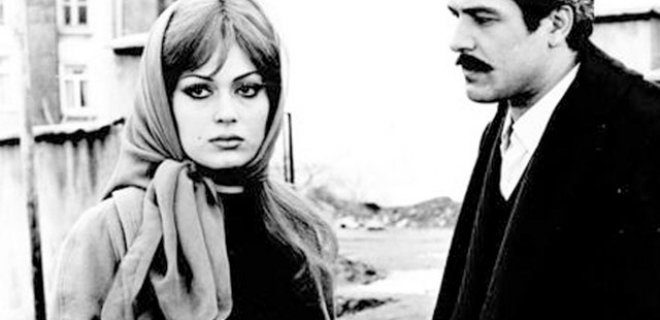
The end of an era: Vesikali Yarim and the transformation of Turkish cinema
At the height of Yeşilçam’s melodrama, Ömer Lütfi Akad gave Turkish cinema a gift that still resonates today: the ultimate masterpiece. This is not just a tearjerker. Vesikalı Yarim. By telling an unlikely love story, Akad did more than just make a hit film. He dismantled the tired, faceless “pavilion woman” archetype that had dominated the genre for years. The prototype is gone. Replaced by something real. Something human.
However, the golden age did not last long.
Enter television.
The small screen started siphoning off the audience. Slowly at first. Then all at once. Movies have lost their grip on the public imagination. People stopped going to the theater. They stayed home. The magic is gone.
The studio scrambled to survive. What happens if the drama doesn’t work? Fury. Mayhem. Action. A last-ditch film frenzy swept through the industry. A final frantic effort drew the crowd back into the darkened room.
“Movies have lost their power…crazy movies have become the last resort to bring people back to the salon.”
This change is not just a matter of taste. It’s about survival. The melodrama has reached its peak. Then it collapsed under the weight of the new medium. Vesikalı Yarim is a symbol of everything past. It’s a beautiful but tragic relic of a time when movies still ruled the night.