


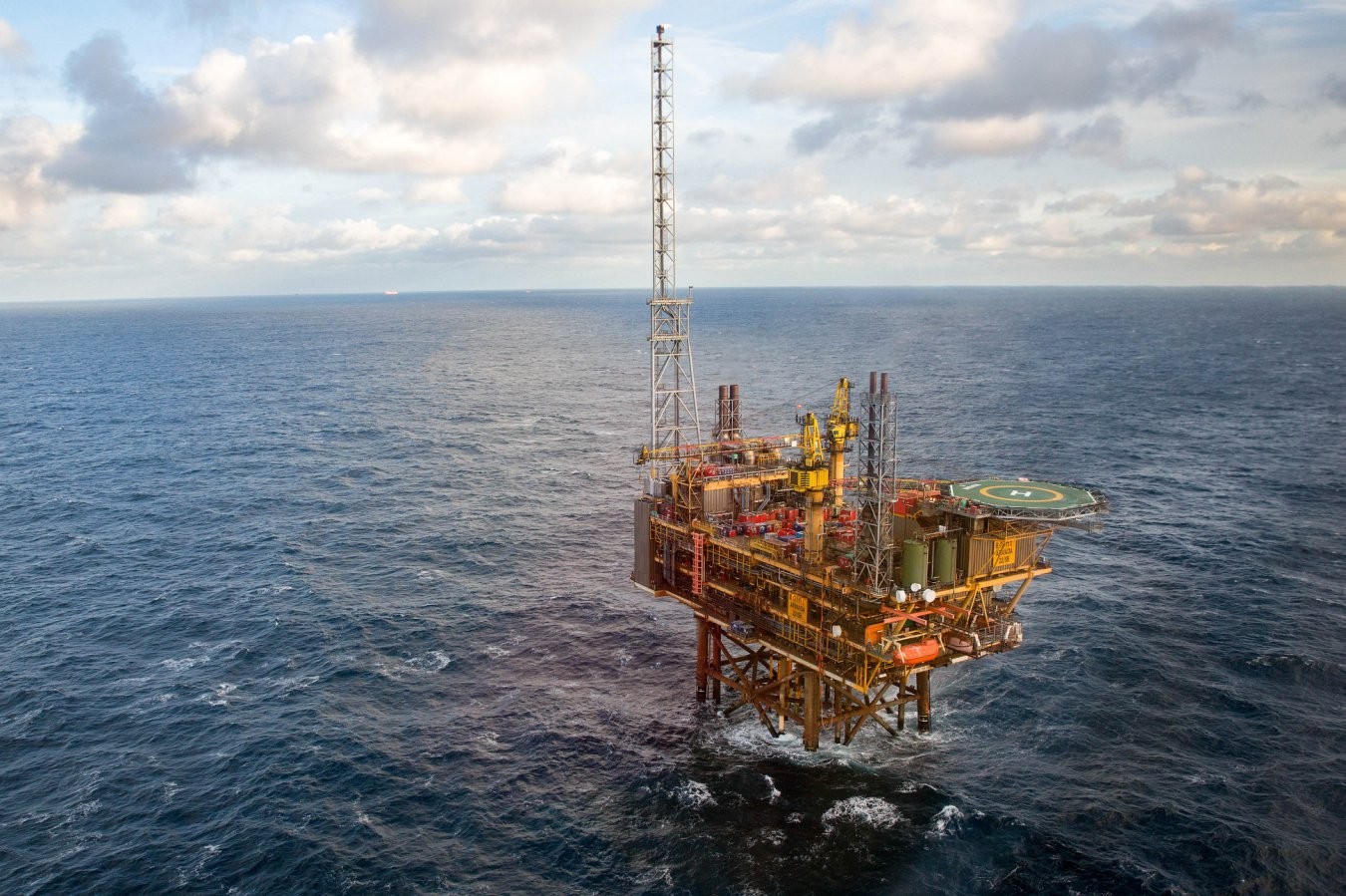
I worry about the weather. It’s getting wilder, faster, and there’s no sign of it slowing down unless we stop burning fossil fuels. The debate over whether the UK should drill deeper into the North Sea misses the point entirely. It distracts from the real issue: ending our addiction to oil and gas.
Some folks think a ban on new exploration licenses will magically lower emissions. It won’t. At best, it just shifts where that carbon comes from. The supply chain moves; the pollution stays. What actually matters is burning less fuel. Period.
We need more renewable energy in the grid. We need heat pumps replacing gas boilers. We need electric vehicles replacing petrol engines. That’s the only lever that pulls the needle.
Evaluating climate policy beyond drilling bans
With that in mind, I’m not going to judge UK leader Andy Burnham on a North Sea drilling decision. The climate impact of extracting a few more barrels is negligible compared to how much energy we use. Burnham has already started on the right path by cutting VAT on electricity. This makes swapping out gas boilers for heat pumps financially viable for households.
Are bans on drilling useless? No. They have a role, especially in protecting sensitive ecosystems like the Amazon. But banning drilling alone won’t curb global emissions.
You might argue, “What if enough countries agree to stop drilling?”
The International Institute for Sustainable Development notes nearly 60 restrictions exist in 25 countries. Many are regional (like Arctic protections) or ban specific methods like fracking. Fifteen have already been repealed. No major producer is planning a total exit. We know of enough reserves to wreck the climate anyway. As long as there’s a market, someone will supply the fuel. The strategy must be reducing demand, not restricting supply.
The false economic case for new North Sea gas
The arguments for digging up more oil in the North Sea are largely misleading.
Energy prices won’t drop. North Sea oil and gas are sold on the global market. There isn’t enough volume left to impact global prices. One extra barrel in Aberdeen doesn’t lower your pump bill.
Renewables break the price link. A renewable-heavy grid decouples electricity prices from volatile gas markets. Spain is already showing how this works to bring down bills.
The money isn’t there. Production requires tax breaks and subsidies. Output is declining every year. Over 90% of recoverable oil and gas is gone. What’s left is harder, costlier to extract. If global conflicts driving up prices resolve, further drilling might not even break even. The market was already gluttonous with surplus oil until recently.
Comparing emissions: North Sea gas vs LNG imports
Another claim worth dissecting is the “cleanliness” of UK gas. Proponents argue North Sea gas is “four times cleaner” than imported Liquefied Natural Gas (LNG). This is true regarding production emissions. The liquefaction and shipping process for LNG is energy-intensive.
However, this view ignores the full lifecycle. When you factor in combustion, North Sea gas only offers a 15% lower emissions advantage over LNG. That’s not a climate savior.
The UK now imports more than half its gas as LNG. Replacing some of that with domestic North Sea gas would slightly reduce CO2. It would also cut revenue for countries that hinder climate action—for instance, the UK currently sources 37% of its gas from the US.
But there’s a better alternative.
The UK imports significant volumes from Norway via pipelines. Pipeline gas from Norway has lower production emissions than North Sea gas. From a strict climate perspective, buying Norwegian pipeline gas is superior to drilling harder in the North Sea.
We’re left with a reality check. The type of fuel doesn’t matter nearly as much as the volume we consume. The focus needs to shift entirely toward electrification and efficiency. Drilling debates are just noise in a warming world.


