Most of us forget who died on St. Helena. Or rather. We know numbers. 27,00 souls.
Liberated.
The British Navy stopped slave ships after 1807. They towed the freed Africans to this remote South Atlantic rock. A depot. A holding pen for human beings who were sick, hungry, and broken.
About 8,000 died there.
They sank into the earth and stayed silent for centuries. Until 2007. Airport construction needed ground clearance.
The dig unearthed skeletons that had been forgotten by history.
We now have answers. At least for some of them.
A study in Science reveals the origins of 152 of these individuals. Not guesses. Chemical facts.
Scientists looked at teeth.
Tooth enamel captures strontium isotopes from childhood food and water. It locks in your geography. You can change homes later in life, but your teeth remember where you grew up.
Most came from coastal West or Central Africa. Easy access. Easy kidnapping.
But others? They were moved far inland before being taken to the coast. Forced marches. Thousands of kilometers of trauma before they ever saw an ocean.
One story stands out.
A young man. He died between 19 and 25. His teeth show he was dragged from inland Angola to the coast between ages 7 and 9.
Slavers targeted him as a child. Why? Longer years of labor ahead. Cheap and young.
It makes sense that traders wanted youth with decades of work potential. Seeing that etched in enamel makes the tragedy sharp.
DNA tests on 20 others matched modern populations in Gabon and northern Angola. Languages match too. Congo dialects. Benguela speech. Navy logs noted the babel of tongues. History checks out.
Steven Micheletti, a geneticist not involved in the work, called it impactful. Erased histories are rare in this trade. Most records belong to slavers. Business logs. Numbers, not names.
David Head, a historian, said the coastal finds are unsurprising. Proximity helps kidnapping. The inland cases? That’s the new detail. Proof of deep interior networks. Of long suffering.
Alex Bentley added nuance. Isotopes reflect geology, yes. But they also mix with biology. It is not always a unique fingerprint. Still, the method holds promise. Maybe we can apply it to remains in the United States. Maybe.
There were no happy endings here.
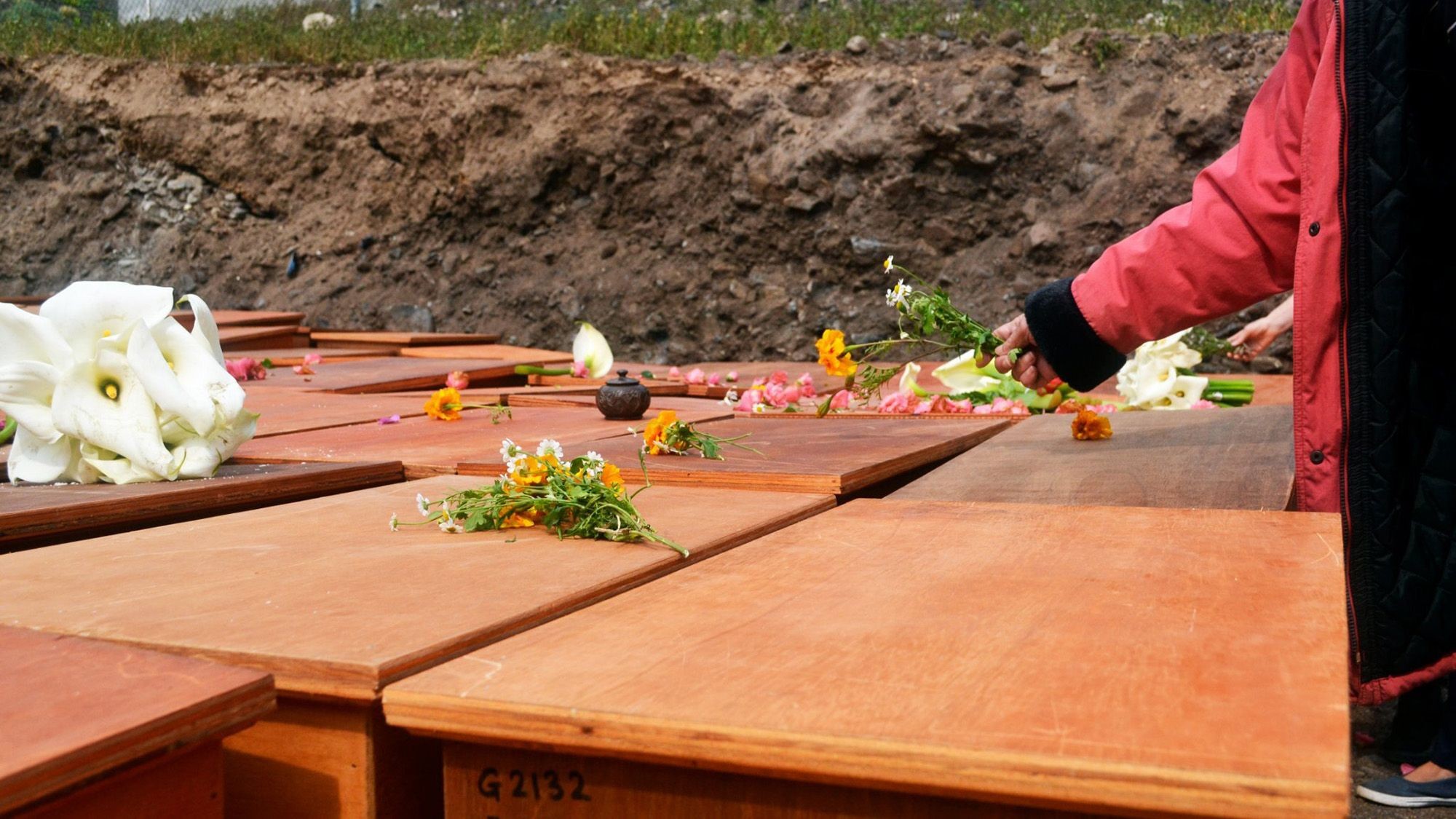
The remains were reinterred on St. Helena in 2022.
They looked into sending bones back to Africa. No agreements. Too messy. Too complex. Which country? Which tribe?
Some things cannot be returned.
Only remembered.