The annual Eta Aquarid meteor shower reaches its peak on the morning of Wednesday, May 6. For skywatchers, this event offers a rare glimpse into the deep history of our solar system. These “shooting stars” are not random debris; they are the direct remnants of Halley’s Comet, one of the most famous celestial visitors in human history.
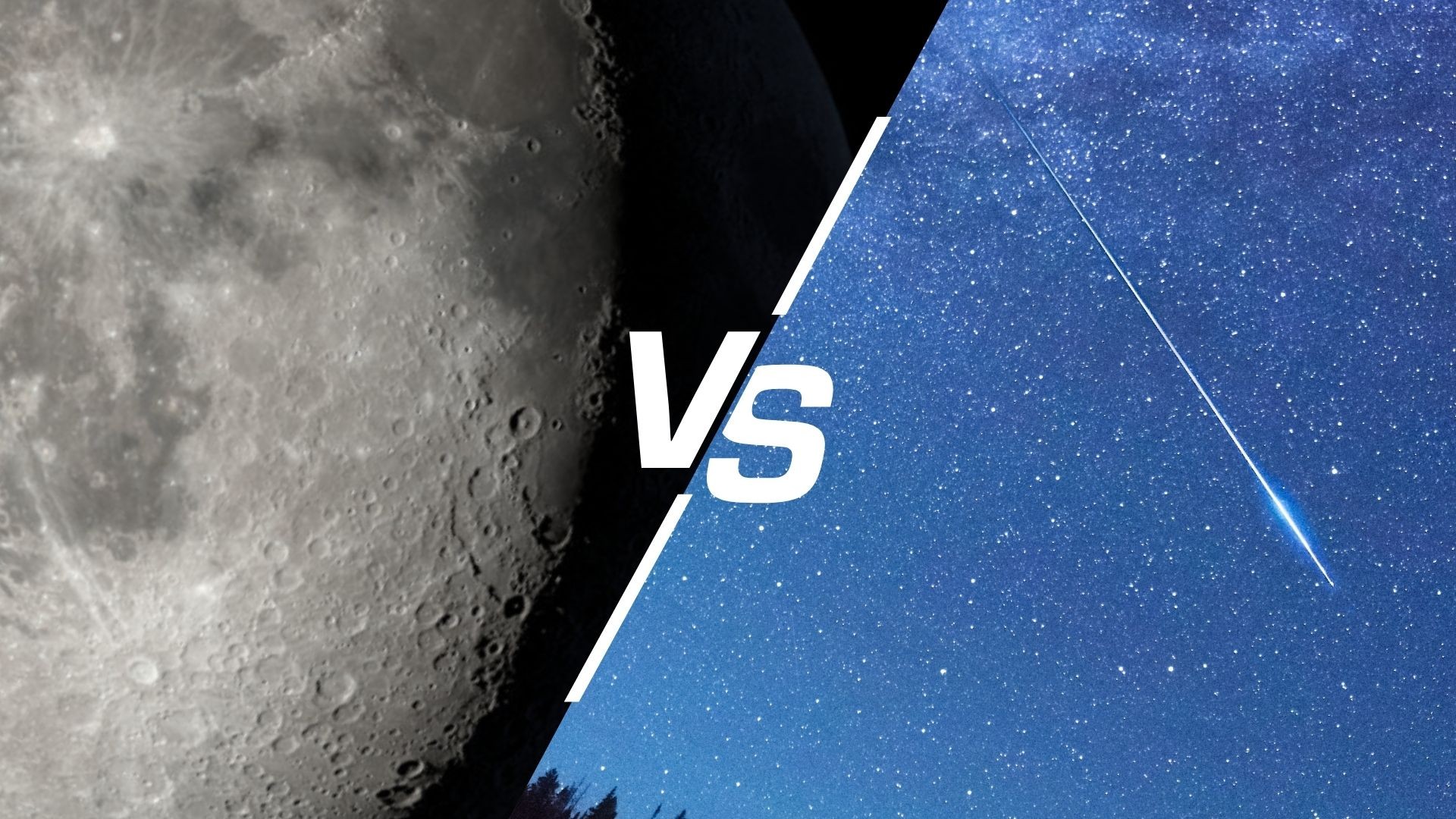
However, viewing conditions this year present significant challenges. While the shower is typically a spectacular display for observers in the Southern Hemisphere, those in the north face a combination of bright moonlight and unfavorable geometry. Despite these hurdles, the shower remains scientifically significant and offers the potential for rare, dramatic visual phenomena.
The Cosmic Lineage of the Eta Aquarids
Unlike some meteor showers with records dating back millennia, the Eta Aquarids were only formally identified in the late 19th century. The connection to Halley’s Comet was established through a combination of observation and orbital mechanics:
- 1870: Lieutenant Colonel G.L. Tupman observed clusters of meteors emanating from the constellation Aquarius while sailing in the Mediterranean.
- 1876: Professor Alexander Stewart Herschel calculated that Halley’s Comet’s orbit intersected Earth’s path during early May. He predicted that debris from the comet would create a meteor shower radiating from Aquarius, matching Tupman’s observations.
Halley’s Comet acts as a “cosmic litterbug,” shedding dust and rock as it travels around the sun. Because Halley’s orbit is tilted relative to Earth’s, it creates two distinct meteor showers :
1. Eta Aquarids (Early May): Caused by debris released after the comet passes the sun and heads back toward the outer solar system.
2. Orionids (Late October): Caused by debris released as the comet approaches the sun.
Why This Year’s Viewing Is Challenged
For optimal meteor viewing, observers need a dark sky and a radiant point (the spot in the sky where meteors appear to originate) that is high above the horizon. This year, two major factors hinder visibility:
1. Lunar Interference
The moon is currently in its waning gibbous phase, having turned full on May 1. Although it is 81% illuminated—slightly less than full—it remains bright enough to wash out the sky. This glare significantly reduces contrast, making fainter meteors invisible to the naked eye. In years without lunar interference, the Eta Aquarids can produce up to 60 meteors per hour for southern observers.
2. Geographic Disadvantage
The Eta Aquarid radiant rises in the southeast around 3:00 a.m. local daylight time.
* Southern Hemisphere: Observers here are best positioned. The radiant climbs higher in the sky, offering better viewing angles and higher meteor rates.
* Northern Hemisphere: For those north of the equator, the radiant remains low on the horizon. This geometric disadvantage drastically reduces the visible hourly rate. Mid-northern latitude observers may see only about half as many meteors as their southern counterparts.
The “Earthgrazer” Opportunity
Despite the poor general conditions, there is a unique reason for northern observers to look up: the possibility of seeing an “Earthgrazer.”
Earthgrazers are meteors that skim the upper atmosphere at a shallow angle rather than plunging steeply. They are characterized by:
* Extreme Length: They travel horizontally across the sky, often appearing to hug the horizon.
* Colorful Trails: They frequently leave long-lasting, ionized trails that can be vivid in color.
* Rarity: As Bill Cooke of NASA’s Marshall Space Flight Center notes, these events are rare but memorable. Even if you see only a few, their distinct appearance makes them stand out against the clutter of standard meteors.
Why These Meteors Matter
Watching the Eta Aquarids is more than just a visual pastime; it is an act of witnessing ancient history.
- Primordial Material: The particles causing these streaks are tiny, ranging from sand grains to pebbles. They consist of carbonaceous dust similar to cigar ash or printer toner.
- Age of the Solar System: This debris dates back nearly five billion years, originating from the birth of our solar system.
- High Speed: These particles hit Earth’s atmosphere at 41 miles per second (66 km/h). The light you see is not the particle itself, but the superheated, ionized air trail created by the friction.
Key Insight: When you see an Eta Aquarid meteor, you are seeing a piece of Halley’s Comet that has been traveling through space for centuries, finally intersecting with Earth.
Conclusion
While the bright moon and low radiant angle make this year’s Eta Aquarids difficult to observe—particularly from the Northern Hemisphere—the shower remains a vital link to our solar system’s history. Whether you spot a faint streak or a rare, long-lasting Earthgrazer, you are witnessing fragments of Halley’s Comet, debris that has survived since the dawn of creation. Halley’s Comet itself will not return until 2061, making these annual meteor showers our only chance to encounter this cosmic visitor for the foreseeable future.