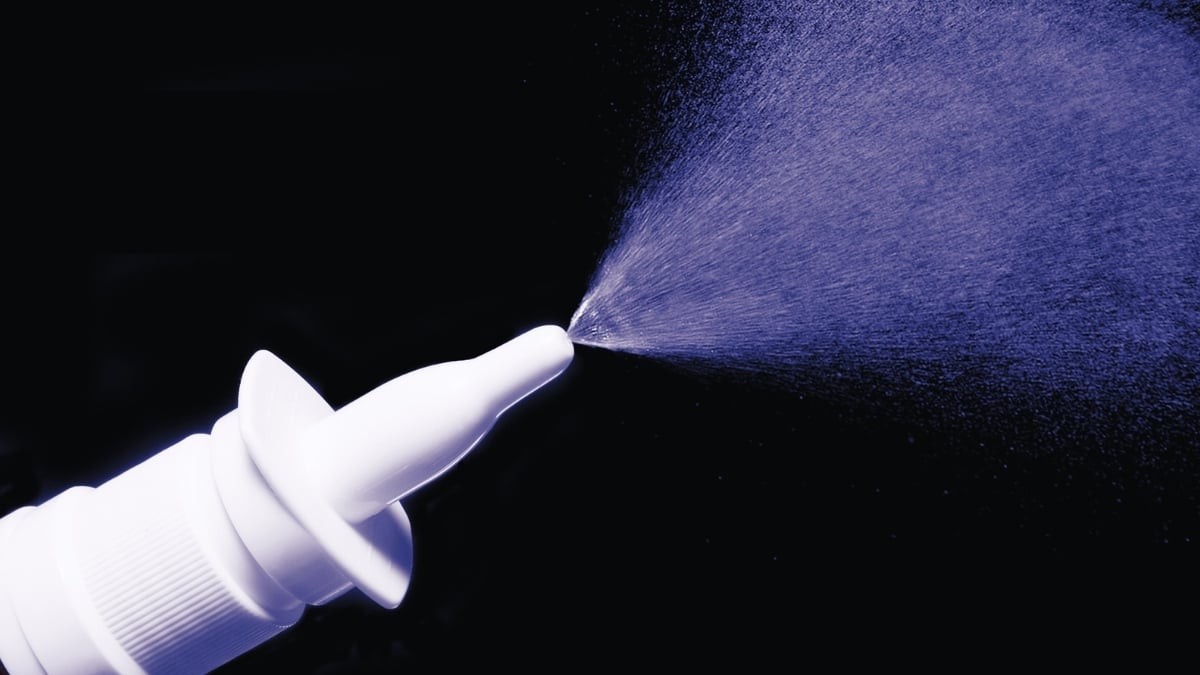
Researchers at Texas A&M University have achieved a significant milestone in neurobiology, developing a simple nasal spray that restores memory function in aging mice. By targeting chronic brain inflammation, the treatment offers a potential new pathway for addressing age-related cognitive decline and neurological disorders like Alzheimer’s disease.
The Problem: “Neuroinflammaging”
As the brain ages, it often suffers from a phenomenon known as neuroinflammaging. Unlike acute inflammation caused by a sudden injury, neuroinflammaging consists of small, chronic pockets of stress within the brain.
Scientists liken these hotspots to parts of an engine that are constantly running too hot; this persistent heat causes gradual damage to the system. In the brain, this inflammation primarily affects the microglia —the immune cells responsible for protecting the brain—located in the hippocampus, the region critical for learning and memory.
The Solution: Stem Cell “Bubbles”
The treatment utilizes a sophisticated delivery method involving extracellular vesicles (EVs). These are microscopic biological bubbles produced from human stem cells that act as highly efficient transport vehicles.
Here is how the mechanism works:
– The Payload: The EVs are packed with proteins and microRNAs, which act as “master regulators” of genetic instructions.
– The Delivery: Administered via a nasal spray, the EVs bypass the need for invasive surgery, traveling directly through the nasal passage to reach the brain.
– The Reset: Once in the brain, the microRNAs signal the cells to “dial down” the alarm systems driving the inflammation. This allows microglia to return to a healthy state and helps mitochondria (the cell’s energy producers) regain their ability to manage energy effectively.
Promising Results in Mouse Models
The study focused on 18-month-old mice, an age that roughly corresponds to humans in their late 50s or 60s. The results were consistent across both male and female subjects:
- Cognitive Recovery: After receiving just two doses spaced two weeks apart, the treated mice significantly outperformed the control group in tasks involving spatial memory and object recognition.
- Biological Impact: Biochemical analysis confirmed a measurable reduction in inflammation within the hippocampus.
- Efficiency: The treatment essentially “re-sparks” neurons by reducing oxidative stress and reactivating cellular energy production.
Why This Matters for the Future
The implications of this research are profound, especially considering the looming global health crisis. In the United States alone, annual dementia cases are projected to double to one million by 2060.
While this study is currently limited to animal models, it represents a shift toward non-invasive, scalable therapies. If human trials prove successful, a simple nasal spray could eventually replace long-term medication regimens or high-risk surgical interventions for those suffering from mild cognitive impairment.
“We’re aiming for successful brain aging: keeping people engaged, alert, and connected. Not just living longer, but living smarter and healthier.” — Ashok Shetty, Neuroscientist
Conclusion
By using stem-cell-derived vesicles to suppress chronic brain inflammation, this research provides a potential blueprint for treating dementia and other age-related cognitive declines through a simple, non-invasive nasal spray.