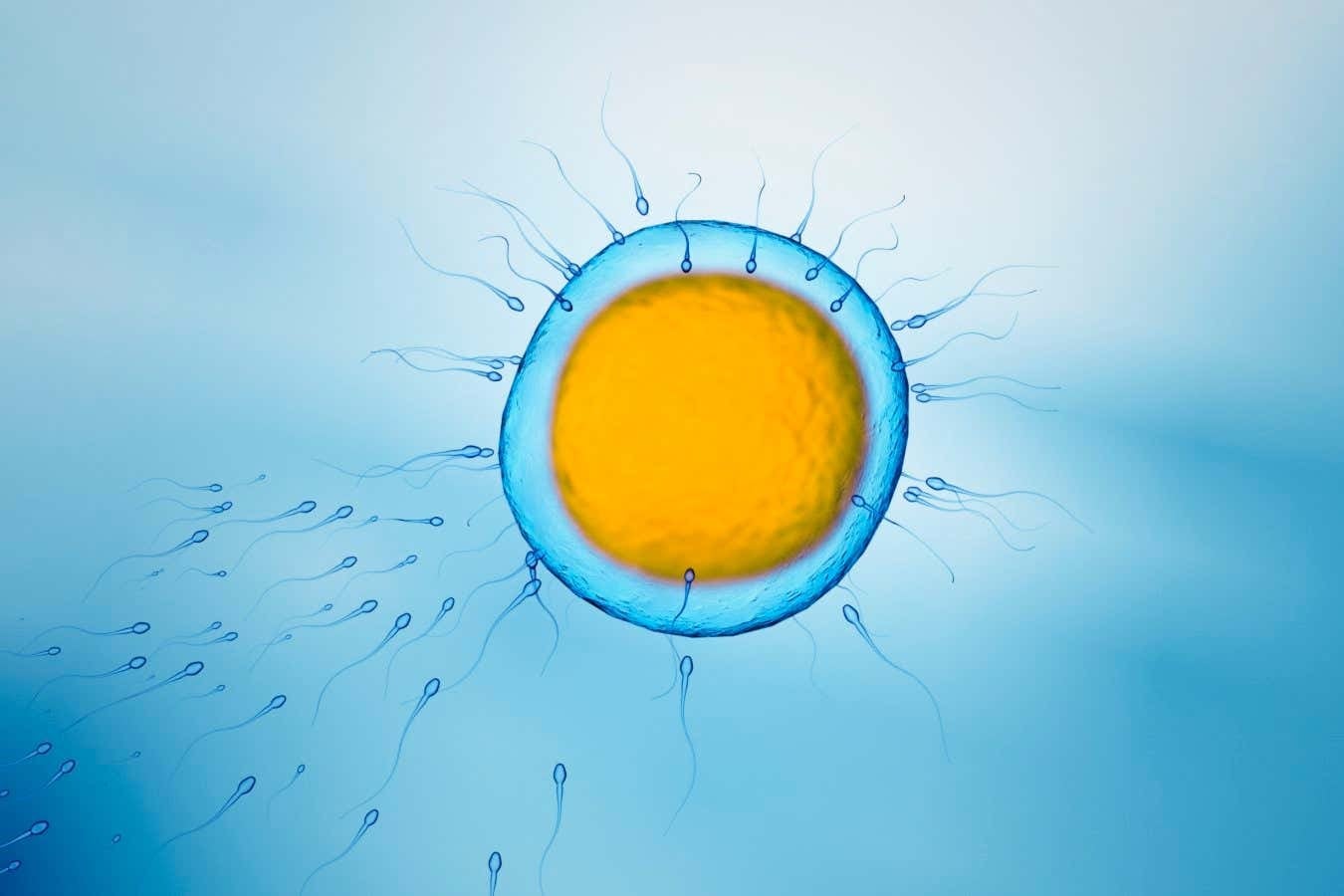
A new clinical trial suggests that men undergoing in vitro fertilization (IVF) may significantly improve their chances of success by limiting ejaculation abstinence to less than 48 hours before egg retrieval. The study, conducted in China and involving over 450 participants, found that shorter abstinence periods correlated with higher ongoing pregnancy rates.
The Long-Held Question of Sperm Timing
For years, fertility clinics have advised men to abstain from ejaculation for between two and seven days before providing a sample for IVF. This broad window was based on the idea of balancing sperm quality and quantity: longer abstinence could lead to DNA damage from accumulated toxins, while too-short periods might reduce sperm count. However, concrete clinical data supporting this advice was lacking —until now.
Study Findings: 48 Hours Appears Optimal
Researchers led by Yang Yu at First Hospital of Jilin University divided 453 men into two groups. One group was asked to ejaculate roughly 36 hours before the final sperm sample, while the other followed the conventional 48-hour to seven-day recommendation. The results were striking: the group with the shorter abstinence interval achieved a 46% ongoing pregnancy rate, compared to just 36% in the other group.
Why This Matters: Sperm Health and DNA Integrity
The findings suggest that shorter abstinence may reduce the buildup of harmful free radicals, minimizing DNA damage to sperm. Damaged sperm can lead to failed fertilization or early miscarriage. The study also reported a lower (though not statistically significant) miscarriage rate in the shorter abstinence group, implying a higher likelihood of live births.
Caveats and Further Research
While promising, experts caution that more research is needed. Richard Paulson, a specialist at Keck School of Medicine, points out that the study included both fresh and frozen embryos, which have differing success rates. The data also showed lower fertilization rates in the shorter abstinence group, suggesting fewer initial conceptions but a higher rate of pregnancies continuing beyond 12 weeks. This discrepancy requires further analysis.
The study raises the possibility that frequent ejaculation may improve sperm health even outside of IVF treatments. Experts agree that this trial provides compelling evidence that shorter abstinence is beneficial for sperm quality, though definitive conclusions await additional research.