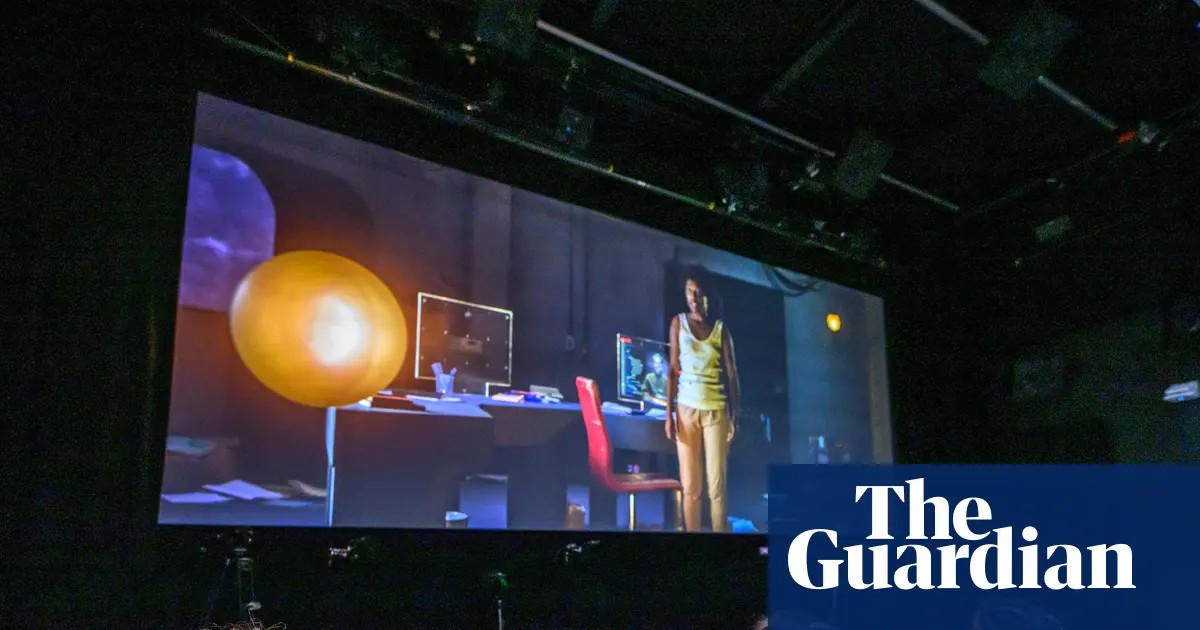
At the University of Bristol, a high-end cinema serves a purpose far beyond entertainment. Behind the 4K projectors and reclining seats lies a sophisticated research laboratory where the audience is the subject of study. Equipped with EEG headsets, heart rate monitors, and infrared cameras, participants are being monitored to reveal the biological “secret sauce” of cinematic immersion.
Decoding the Science of Engagement
Led by neuropsychologist Prof. Iain Gilchrist, the project aims to move beyond subjective feedback—like telling a critic if a movie was “good”—and instead look at the physiological reality of how we watch.
The research team isn’t just looking at individual reactions; they are searching for neural synchrony. This occurs when the brain signals of multiple audience members align at the same moment, signaling a collective state of high engagement. By pinpointing exactly when an audience “connects” with a story, filmmakers can understand which specific scenes, edits, or soundscapes trigger deep immersion.
How the technology is being applied:
- Brain Activity (EEG): Tracking cognitive load and focus.
- Heart Rate Monitoring: Measuring emotional arousal and physical tension.
- Infrared Eye-Tracking: Observing exactly where attention shifts on screen.
- Behavioral Analysis: Detecting fidgeting or restlessness as signs of disengagement.
From the Lab to the Edit Suite
The practical value of this data is already being tested with the science-fiction short film Reno. Director Rob Hifle is using the technology to test different versions of his film—including one where a central character’s screen time is significantly reduced—to see how these changes impact the “story beats.”
For Hifle, this isn’t about following a “paint-by-numbers” formula. Instead, it acts as a high-tech sounding board.
“Normally, when you’re editing a film, it’s just you and the editor. It’s essential to get more data to see if it sinks or swims,” Hifle noted.
By using these insights, creators can potentially “de-risk” creative experimentation. If a director wants to try a non-linear narrative or a daring visual style, biometric data can provide the confidence that the audience is actually following and enjoying the journey, rather than being lost or bored.
The Debate: Data-Driven Art vs. Algorithmic Formulas
While the scientific advancement is undeniable, the project has sparked a debate within the media industry regarding the future of storytelling.
The Case for Caution
Prof. Amanda Lotz of the Queensland University of Technology warns that “optimizing” content could lead to a loss of originality. She points out two major risks:
1. Fragmentation: Modern audiences watch media for different reasons (relaxation vs. intense challenge), making “universal appeal” a difficult, perhaps impossible, goal.
2. The Formula Trap: There is a danger that filmmakers might prioritize “what the data wants” over genuine, unpredictable craft, leading to a landscape of predictable, engineered content.
The Case for Precision
Conversely, Prof. Tim Smith of the University of the Arts London views this as a necessary evolution. He argues that for centuries, filmmakers have relied on “coarse and imprecise” methods to judge audience response. This new technology offers a moment-by-moment map of the human experience, allowing for a level of precision in storytelling never before seen in history.
Beyond the Big Screen
The implications of this “cinema lab” extend far beyond Hollywood. Prof. Gilchrist envisions the technology being applied to:
– Live Events: Understanding why live music feels more immersive than a stream.
– Advertising: Analyzing narrative arcs in long-form commercials.
– Education: Helping professors monitor student engagement in real-time during lectures to adjust their teaching methods.
Conclusion
By bridging the gap between neuroscience and cinematography, researchers are providing creators with a powerful new lens to view human emotion. While the risk of “formulaic” art remains, the ability to scientifically measure immersion offers a transformative tool for making stories more resonant and daring.