We know rare earth elements run the modern world. Phones, wind turbines, electric cars—none of it works without them. The supply chain is messy, fragile, heavily guarded. Countries are desperate for reliable domestic sources. So scientists look deeper. Much deeper.
A team at Cambridge found a pattern. A hidden one.
“Our research is beginning to provide a kind predictive power for where we expect these rocks… to form.”
That is Dr. Emilie Bowman. She is the lead author. The study is out in Nature Geoscience. It connects two things we usually ignore: CO2-rich rocks and the ancient thick roots beneath continents.
Old Rocks, New Clues
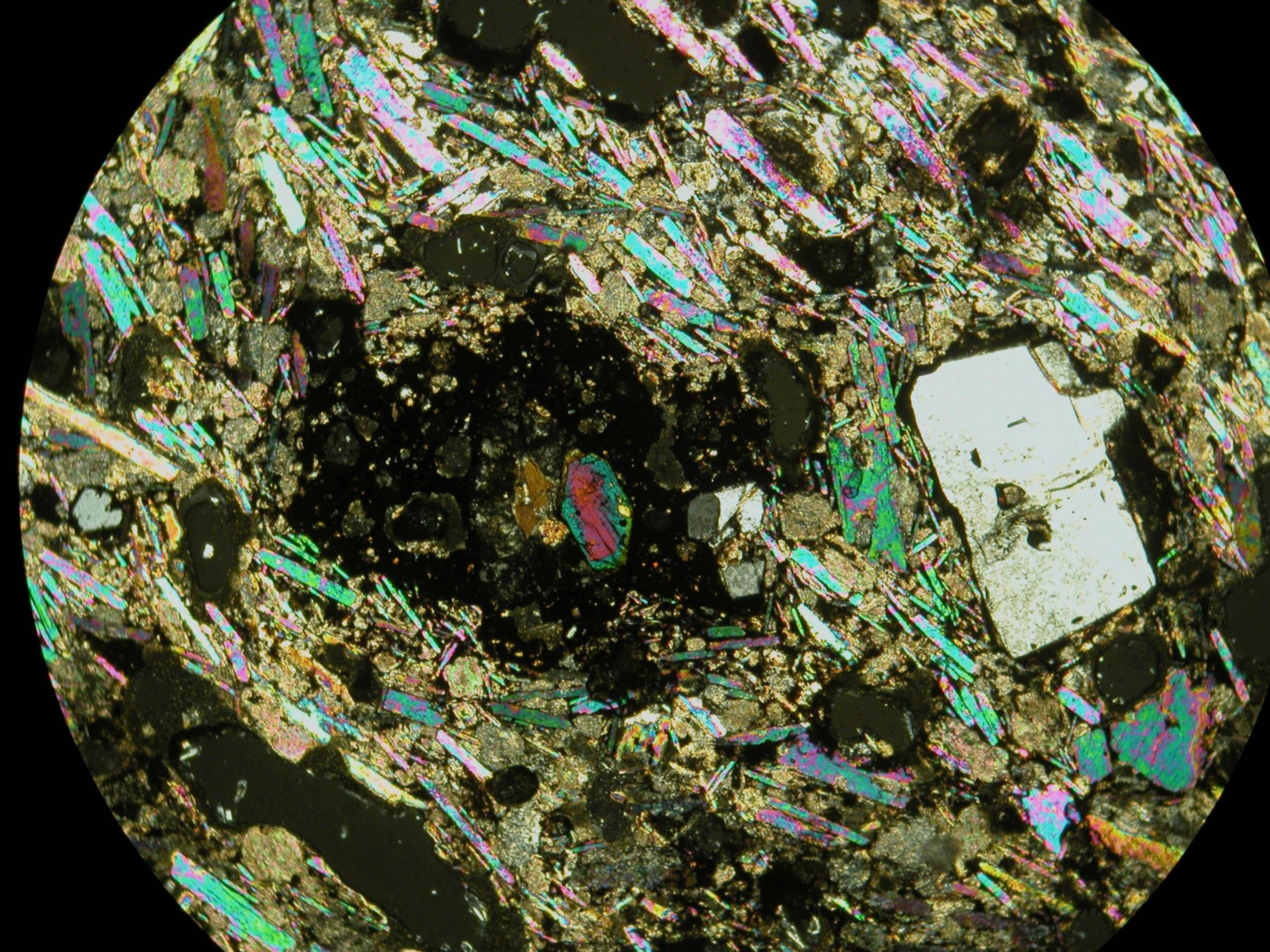
Rare earths come from igneous rocks. Not just any rock. These are weird. Carbon dioxide-rich. Rare. Geologists used to call them curiosities. Undergrads hated them in labs. They were confusing, full of strange 19th-century names from places long forgotten.
Dr. Sally Gibson knows the jargon. She leads the Cambridge Earth Sciences team.
“The terminology is so sprawling that you almost could make a new language.”
It is a barrier. Complexity makes people shy away. But relevance changes minds. Now, these rocks matter. Gibson gathered chemical data from about 9,00 samples globally. Every one had high dissolved CO2. That gas matters. It helps metals concentrate.
The pattern is clear now. It links to the lithosphere. The rigid outer shell of the planet, crust and upper mantle combined. Some parts of this shell are old. Thick. Rooted deep into the mantle.
“Rocks with right chemistry… occur only very specific places, mainly steep edges of thickest, oldest lithosphere.”
Seismic Shadows and Magma Traps
You need two pieces. The chemistry, sure. But you also need the structure.
Enter Professor Sergei Lebedev and Siyuan Sui. Geophysicists. They used seismic waves from earthquakes to image the inside of the Earth. Think of it as sonar for the crust. It slices through the planet, showing thickness, density, shadows.
What did they see? Thick lithosphere creates ideal conditions for enrichment. Why? Because it traps molten rock. For millions of years, pockets of magma sit deep underground, isolated, cool enough to not spread but hot enough to stay alive. Slowly, quietly, the valuable metals concentrate there.
It is a slow process. High pressure keeps melting limited. Only small amounts of magma form. They get stuck at the base. Cool down. Turn into those CO2-rich rocks we were talking about.
Then geological activity comes later. It melts the rock again. Partially. Just enough. The rare earth elements get richer, denser, eventually forming the deposits miners want to find.
Where to Dig?
So the answer is in the thickness. Look at the steep boundaries. The oldest roots of the continents.
We know this for younger rocks, those formed after supercontinents broke up. Gibson started there because older rocks are harder to read. Mountains move. Continents rift. They get messy. But now there is a map. A method.
They plan to look deeper in time now. Back past 200 million years. That is where many big mines live. It will be harder work, decoding altered histories of orogeny and rifting, but the framework is set.
We have the physics. We have the chemistry. The next step is simply patience, and perhaps, better digging. Who knows what else is hiding down there?