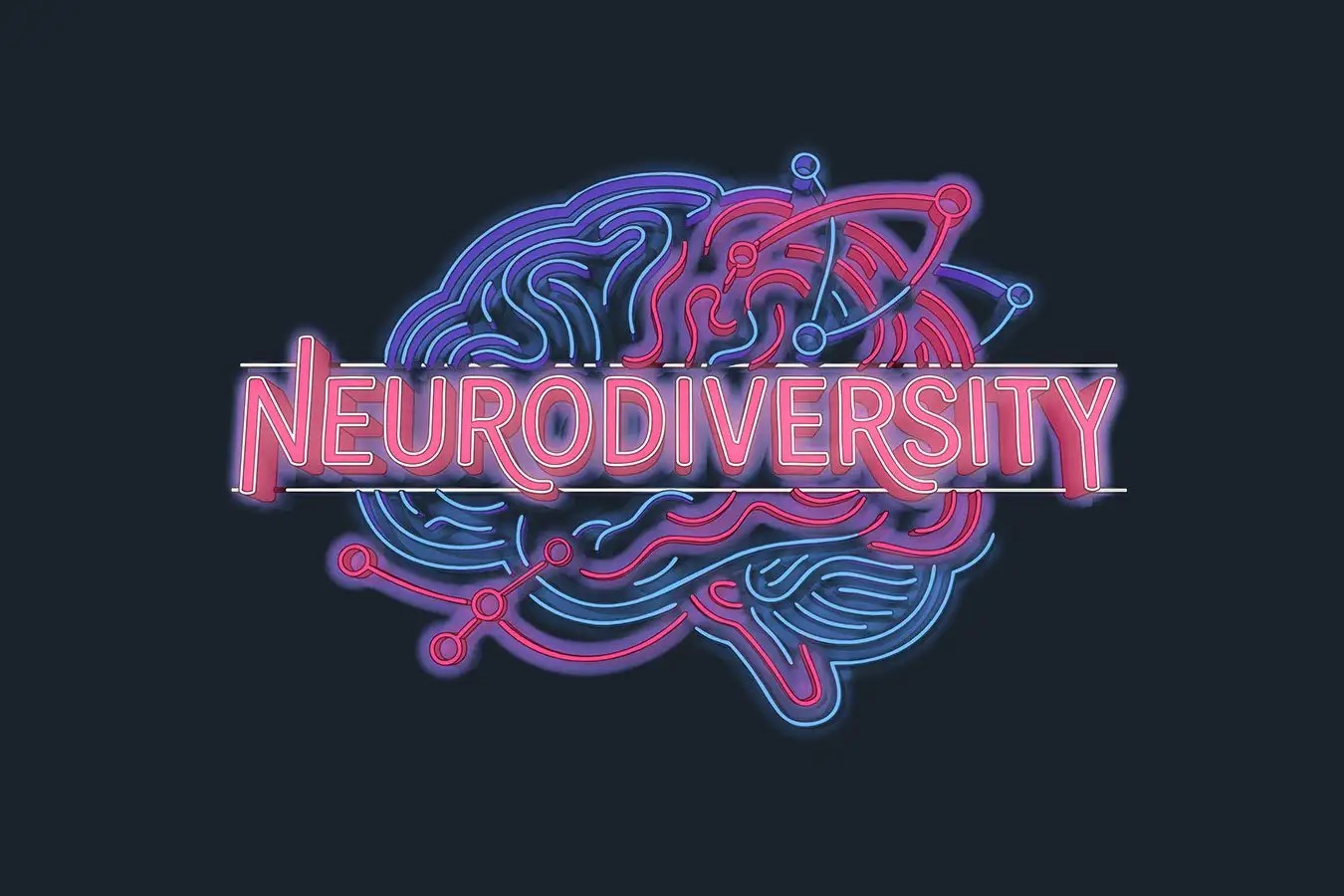
For decades, the field of neuroscience operated under the assumption of a singular “normal” brain, with deviations labeled as disorders or conditions requiring correction. However, this framework is rapidly shifting. Current research and evolving scientific consensus suggest that neurological differences – including autism, ADHD, dyslexia, and dyspraxia – aren’t abnormalities to be fixed, but rather natural variations in human brain wiring. This concept, known as neurodiversity, reframes these conditions not as deficits, but as alternative ways of processing information with inherent strengths alongside challenges.
The Shift from Disorder to Variation
The idea of neurodiversity emerged in the late 1990s from online advocacy groups, particularly within the autism community. The core proposition was simple: rather than a strict divide between “normal” and “abnormal,” human traits exist on a spectrum. Individuals at the extremes may face obstacles, but their unique brain structures also confer distinct advantages. This perspective challenges the traditional medical model by recognizing that diversity in neurological functioning is a fundamental aspect of human evolution.
The shift gained traction within the scientific community. The 2013 revision of the Diagnostic and Statistical Manual of Mental Disorders (DSM) consolidated Asperger’s syndrome under the broader Autism Spectrum Disorder (ASD), categorized by support needs rather than arbitrary “functioning” levels. This change formalized the idea of neurodivergence as a spectrum within medical literature.
Unique Strengths Associated with Neurodivergent Conditions
Research has increasingly identified cognitive strengths correlated with neurodivergent conditions. Studies suggest that autistic individuals demonstrate heightened mathematical reasoning and attention to detail. People with ADHD often score higher on creativity tests, while those with dyslexia excel in pattern recognition and holistic thinking. Even dyspraxia, once solely viewed as a motor coordination challenge, is now linked to enhanced coping mechanisms and creative problem-solving.
These findings reinforce the notion that neurodiversity isn’t an evolutionary accident. A population with a mix of specialized thinkers, creative innovators, and detail-oriented individuals would be better equipped to adapt, explore, and survive. Some scientists theorize that distinct subtypes within conditions like autism may represent different clusters of abilities and challenges, further emphasizing the complexity of neurological variation.
Balancing Perspective: Challenges and Strengths
While celebrating neurodiversity’s potential, researchers caution against oversimplification. Jessica Eccles, a psychiatrist at Brighton and Sussex Medical School, warns that framing neurodivergent conditions as “superpowers” can diminish the real struggles individuals face, especially without adequate support. However, she also acknowledges that recognizing and understanding these differences is crucial:
“Now that we have a vocabulary for it, we have opened the door to understanding both its strengths and challenges so that people can move more easily through the world.”
Ultimately, the evolving understanding of the human brain is moving away from a restrictive notion of “normal” toward recognizing the inherent value in neurological diversity. This paradigm shift has implications for education, healthcare, and societal inclusion, paving the way for a more equitable and supportive environment for all.