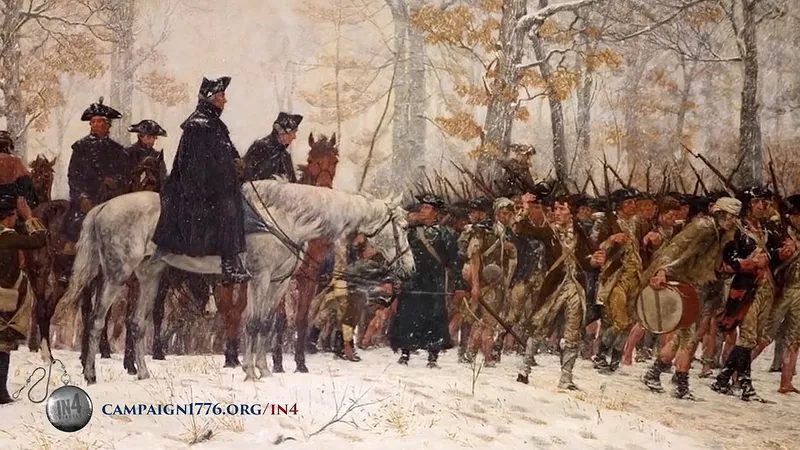
Not only muskets are visible. It is an beefed-up version of the harquebus, which was developed out of necessity in Spain in the 16th century. For three centuries, this muzzle-loading, shoulder-fired firearm dominated the battlefield. It wasn’t until the middle of the 19th century that breech-loading muskets finally pushed it into history.
Early muskets were not the sophisticated weapons seen in the movies. They were cumbersome. It usually takes two people to handle one. A portable rest is needed to stabilize shooting. The average length of the weapon was about 5.5 feet (1.7 meters). It weighed 20 pounds (9 kilograms).
These early guns were rarely accurate.
A 2 ounce (57 gram) ball can travel 175 yards (160 meters). Where it lands is another story. Accuracy is almost irrelevant. Caliber is 0.69-0.75 inches or larger (1.75-1.90 cm). It was a huge projectile at a time when it was almost impossible to guarantee accuracy.
The Mechanics of Ignition
How does it actually fire? Over time, things changed. Early muskets used matchlock guns. This means that the slow burning cord will maintain the flame until the trigger is pulled. This is clumsy. It would expose soldiers to the elements. Rain can ruin the charge.
Flintlocks eventually replaced matchlocks in the 17th century. A flint spark hitting the steel ignited the gunpowder. This is more reliable. percussion locks then became popular in the early 19th century. Primer cap provided the spark. It was faster. Safer even in wet conditions.
Despite these jumps, they are still muzzleloading weapons. You still need to load the charge into the barrel. Reload time is an important factor in combat.
Size and accuracy jumps
Later musket types solved some major problems. It has become smaller. They became lighter. Soldiers can handle them more easily with one hand.
Accuracy also improves. Although early versions were mere wild guesses, later models were capable of hitting human-sized targets at 80–100 yards (75–90 m). This is a significant jump over the original scatter of 175 yards.
This evolution is important because it determines the tempo of the war. Slow reloads meant massed volleys. The musket require discipline and formation. You can’t just shoot and move. You have to line up, reload and fire again.
Everything changed with the introduction of breech-loading muskets. Can also be loaded from the back. It is possible to shoot from the cover. The days of standing volley are over.
The musket were the tools of the time. It is very heavy. It was inaccurate. deadly in large numbers can be fatal. Its decline was not due to incompetence. It was about engineering catching up with the need for speed. Although we still loosely use the term “musket” today, the reality is much more mechanical. Shooting a 20-pound iron pipe requires a rest and two hands. Fatigue is hard to imagine. heat. smoke. sheer repetition.
Moving to a breechloaders is more than just an upgrade. This is a revolution in how humans