Yaklaşık dört yıl. 750.000 dolar. Bu rakamlar sadece bir bütçe çizelgesindeki satırlar değil. NASA kendini onaran materyal geliştirme sürecindeki ciddi bir adımı geride bıraktı. Araştırma yıllardır devam eden bir proje olarak görülüyordu. Şimdi sonuçları var.
Dışarıdan bir müdahaleye gerek kalmadan kendini tamir edebilen bir yapı… Bu sadece bir laboratuvar harikası değil. Günümüz teknolojisinde neredeyse her ortamda kullanılabilecek bir çözüm olarak karşımıza çıkıyor.
Neden bu kadar çok para ve zaman harcandı? Çünkü geleneksel malzemeler yıpranır. Kırılır. Değişir. Yeni materyal ise bu döngüyü bozuyor. Kendini yeniliyor.
Bu keşif, uzay teknolojisinden günlük hayata kadar geniş bir yelpazede etki yaratacak. Detaylara inelim.
Think of it as liquid armor. The mechanism mirrors human biology in a way that is both elegant and terrifyingly efficient. When this specialized material is damaged, it doesn’t just sit there. It reacts. The substance inside is liquid. It flows into the breach. Then it hardens.
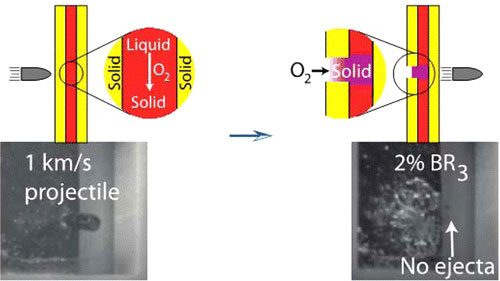
Oxygen is the trigger. Without it, the material stays fluid. Once exposed to the air, it begins to polymerize. It becomes solid. It seals the wound. This is not science fiction speculation. It is engineering mimicking biology. Human blood clots to stop bleeding. This material clots to stop structural failure.
NASA’s bulletproof proof of concept
The proof of this process came from an unexpected place. NASA conducted experiments to test the limits of these self-repairing composites. They didn’t use gentle probes. They used bullets.
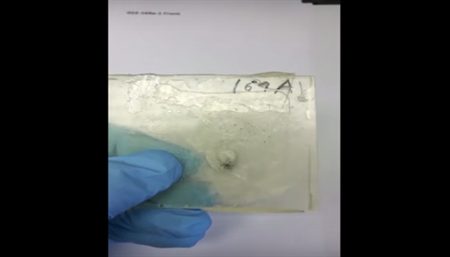
The setup was simple but brutal. A mold filled with the liquid polymer was struck by a projectile. The bullet punched a clean hole through the material. Gravity took over. The liquid inside began to leak out.
For a moment, it looked like total failure. The material was compromised. The integrity was gone. But then the chemistry kicked in. The escaping liquid hit the ambient oxygen. The reaction started immediately. The fluid began to cure. It turned from a liquid into a rigid solid.
The hole didn’t just slow down. It closed. The leak stopped. The material healed itself in real-time.
The material heals itself in real-time, stopping structural leaks before they become catastrophic failures.
Why this matters for aerospace and beyond
This isn’t just a party trick. It solves a massive problem in engineering. Cracks propagate. Small flaws grow until structures fail. Bridges crack. Airplane skins fatigue. Pipelines leak. Repairing these things is expensive. It requires shutting down operations. It requires human labor.
If a material can heal itself, you remove the need for constant inspection. You reduce maintenance costs. You increase safety. In space, where a micro-meteoroid puncture can be fatal, this technology is a game-changer. It allows for lighter, more durable spacecraft components that don’t need heavy shielding.
The process relies on the interaction between the liquid agent and the surrounding environment. It’s not magic. It’s chemistry. But the effect is indistinguishable from life. The material acts like a living organism. It senses injury. It responds. It survives.
The limits of self-repair
It’s not infinite. You can’t shoot the material a million times and expect it to keep working. The supply of the healing agent is finite. Once the reservoir inside the material is depleted, the self-repair capability vanishes. It’s a one-time or limited-use fix.
But for critical systems where a single failure is unacceptable, that limited window is enough. It buys time. It prevents immediate catastrophe. It turns a potential disaster into a minor inconvenience.
We are moving toward materials that don’t just resist stress. They recover from it. The line between organic and inorganic is blurring. The bullet hole healed. The structure held. The future is repairable.
How Self-Healing Materials Are Changing Space Exploration
NASA is putting that tech to the test. They are sending it into orbit using space shuttles and satellites. It is even making its way into astronauts’ suits. The goal is simple but vital. The material needs to cover damage caused by the harsh environment of space. By sealing up cracks or tears, the material lasts longer.
The material needs to cover damage caused by the harsh environment of space.
Engineers have been working on this for a long time. Now that they have improved the tech, they are happy. It works. The self-healing matter can repair itself. It does not need human intervention. That saves time. It saves money.
Real-World Applications Beyond Orbit
This is not just for space. Engineers say the material can solve everyday problems too. Think about wear and tear. That happens constantly in daily life. The tech is still being developed. But the potential is huge. If they refine it further, it could be used in airplanes. Imagine aircraft skins that fix their own micro-fractures. No more ground stops for minor inspections.
Why This Matters for Long-Duration Missions
Space is unforgiving. Radiation. Micrometeoroids. Extreme temperature swings. These factors degrade equipment. They wear out suits. This material offers a shield. It covers the harm. It extends the life of the hardware. For long missions, that extension is everything. Every hour saved adds up. Every repair done automatically reduces risk.
The Future of Self-Repairing Tech
The focus is shifting now. It is not just about surviving space. It is about thriving there. And then bringing that survival back to Earth. The same logic applies. A cracked phone screen. A torn jacket. A dented car. The material could handle all of it. The development continues. The promise remains. We are watching to see what comes next.