Tour de France fans love watching the race, and sometimes it passes near their homes, but how is the route planned? Each year, about 250 towns apply for a spot. In France, competition is fierce. Mayors sometimes apply for years before their city gets chosen. Amaury Sport Organisation (ASO), the organizer, sends general commissioners to visit each town and check if the application is good enough.
Why only 250 towns compete for Tour de France stops
The process starts with ambition. Mayors want their streets lined with cheering crowds. They want the economic boost. But getting selected is hard. ASO has strict rules. They send commissioners to inspect each candidate city. These commissioners judge the quality of the submission. It’s not just about good vibes. It’s about infrastructure. It’s about safety. It’s about logistics.
A mayor might apply every single year. They wait. They hope. Sometimes, they wait too long. The city might get passed over again. The competition in France is particularly intense. You need more than just a nice town hall. You need a plan that works for thousands of cyclists, support vehicles, and media crews.
What limits the Tour de France route distance?
ASO faces real constraints when designing the race. The total distance cannot exceed 3,500 kilometers. That is a hard limit. You cannot just make it longer for drama. There are other rules too. The race cannot have more than two stages longer than 225 kilometers in one edition.
Why these limits?
- Cyclist health: Riders need to recover. Too long, too hard, and the race breaks them.
- Safety: Long stages increase risk. Weather, fatigue, and chaos add up.
- Logistics: Moving a race like this is a military operation. Shorter stages are easier to manage.
These rules keep the race competitive and safe. They force organizers to be smart. You cannot rely on one brutal mountain stage to decide the winner. You need variety. You need strategy.
Where does the Tour de France start?
The race does not always start in France. It often begins in another country. This is a big deal. It brings global attention. It makes the race truly international.
Who was the first city to host the start?
It was Amsterdam, Netherlands, in 1954. That was the beginning of a tradition. Since then, many cities have hosted the opening stage. Rotterdam. London. Brussels. Each one changes the flavor of the race. It starts the journey with a different rhythm.
This international start is not just for show. It expands the race’s reach. It attracts new fans. It shows that cycling is a global sport. The Tour de France is not just a French event. It is a world event that happens to pass through France.
How does the route affect the race outcome?
The route is not random. It is crafted. Organizers look at the calendar. They look at the weather. They look at the riders. They want to create drama. But they also want to keep it fair.
The length of each stage matters. A flat stage favors sprinters. A mountain stage favors climbers. The combination decides who wins. The rules on stage length force organizers
The auction for glory
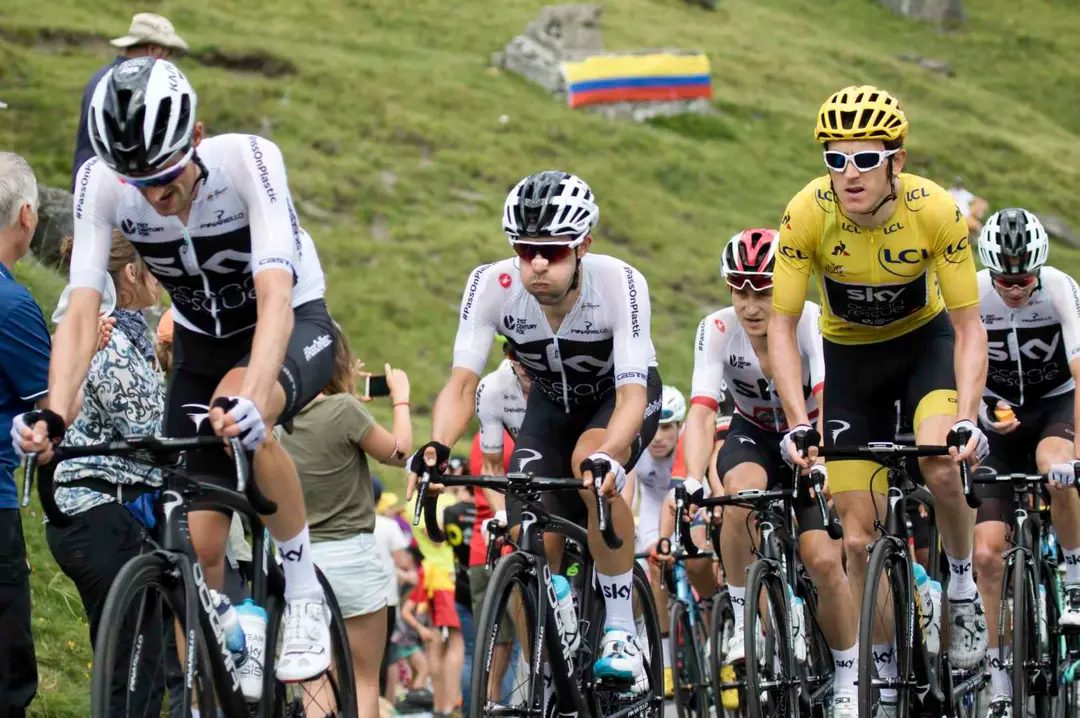
Amaury Sport Organisation (ASO) holds the final say. They don’t just pick a map; they vet applications from host towns. The timeline is tight. Decisions happen two to three years before the peloton takes the first pedal stroke.
Once ASO draws the line, the real work begins for the locals. It’s not just about honor. It’s about money.
The price of hosting
Cities don’t get to host for free. They pay ASO between 50,000 and 130,000 euros. The fee depends on their role. Starting town? Higher cost. Finish line? Also expensive. Both? You’re looking at the top end of that bracket.
Why pay so much? Because being in the Tour means global exposure. But there’s a catch. The cash is just the entry fee.
Infrastructure demands
Beyond the check, municipalities must guarantee specific road improvements. This isn’t just cosmetic. Roads need to handle hundreds of tons of logistics, massive crowds, and riders pushing 40 km/h around blind corners.
The local government ensures the tarmac is smooth, the signage is clear, and the routes are safe. It’s a massive logistical undertaking. One bad patch of asphalt can derail the race.
The trade-off
Is it worth the millions in hidden costs? For many towns, yes. Being featured on TV for a week drives tourism for years. But the upfront investment is steep. ASO sets the rules. The towns bid for the privilege of hosting the most famous race on two wheels.