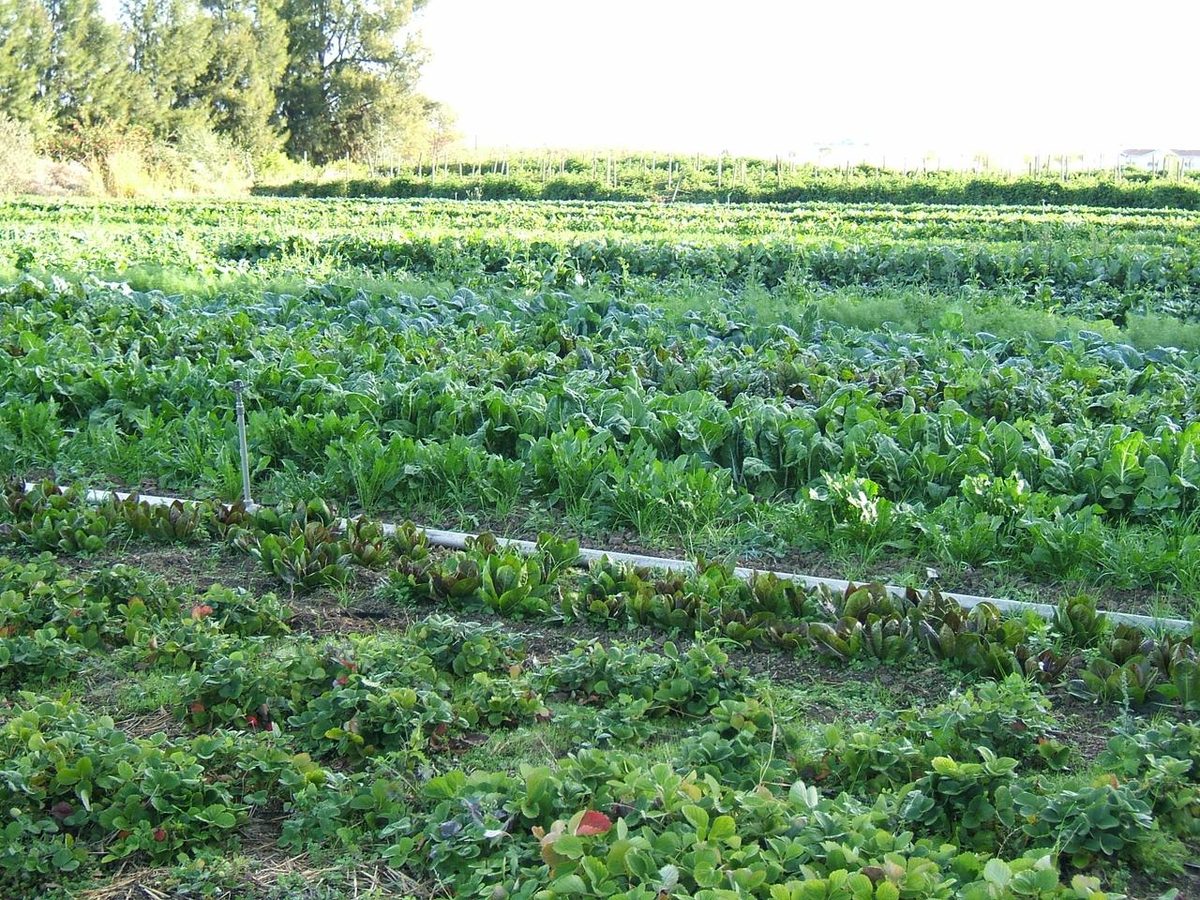
Labeling a product as “organic” isn’t just about slapping a green leaf on a box. It requires a strict legal process. Farmers and businesses handling, processing, or distributing these goods must complete a certification application. Without this formal step, the claim holds no weight.
The Application Process Explained
When a professional submits an application, they don’t just fill out a form and wait. They receive a detailed information sheet. This document outlines two critical things: the specific conditions required for certification and the exact procedures for inspections.
The applicant must declare their specific activities in designated fields. An technical expert then reviews this data to create a quote. This isn’t optional. If the professional accepts the cost, they receive an attestation. This paper proves they have officially started the certification journey. The final administrative step involves notifying the Agence Bio.
Why Inspectors Are Essential
Certificate bodies do more than just check paperwork. They verify the entire production system. Their scope covers everything from the soil in the fields to the storage facilities.
Organic certification ensures no hidden contaminants slip through the cracks.
Inspectors conduct regular checks and take samples. They look for the presence of pesticides, genetically modified organisms (GMOs), and other prohibited substances. The goal is to ensure strict compliance with both French and European regulations. Only when every element passes this scrutiny is the final certificate issued.
Who Needs This Certification?
Any entity touching the supply chain needs to be certified. This includes:
- Farmers growing the crops
- Collectors gathering the raw materials
- Processors turning ingredients into finished goods
- Distributors moving products to retailers
If you skip this step, you cannot legally use the “organic” label. The system relies on this chain of accountability. It protects consumers and maintains the integrity of the market.
Why Does This Matter to You?
You might think this is just bureaucracy. It isn’t. It defines what “organic” actually means in practice. Without these controls, the label becomes meaningless. Consumers trust that organic products are grown without synthetic chemicals. Inspectors ensure that trust isn’t broken.
The process is rigorous by design. It prevents fraud. It keeps the market honest. For a farmer, it opens doors to premium markets. For a buyer, it guarantees quality. The steps are clear, even if the paperwork feels heavy.
What Happens After Certification?
Getting the certificate is just the beginning. It requires ongoing vigilance. Regular audits ensure standards remain high. One mistake can cost the entire certification. This pressure keeps everyone on their toes.
The system works because everyone plays their part. Farmers follow the rules. Inspectors enforce them. Agencies oversee the process. It is a loop of verification.
Is it complicated? Yes. Is it necessary? Absolutely. The alternative is a market where labels lie. We know that doesn’t work. The current system, for all its friction, provides a baseline of truth. It matters more than you might realize.