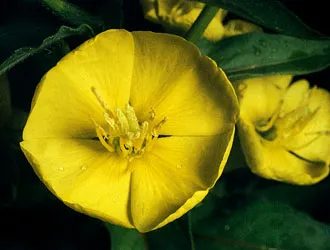
Look at a flower with four petals. Or maybe eight. If you see that symmetry in a temperate zone, especially in North America, you are likely looking at a member of the Onagraceae family. Also known as the evening primrose family, these plants belong to the myrtle order, Myrtales. They aren’t just pretty faces in a meadow. They are biological workhorses.
There are 18 genera and roughly 655 species in this group. Most of them hang out in the cooler, temperate regions of the New World. Their structure is pretty specific. Flowers usually follow a four-part plan. Four sepals. Four petals. Then comes the tricky part: four or eight stamens. Not always consistent. But one thing is fixed. The ovary sits below the flower proper. It is inferior. That sounds like a technicality until you realize it defines how the plant grows and reproduces.
Take fireweed. It is everywhere after a forest burns. The plant’s Latin name is Epilobium angustifolium. It is the great willow herb. If you have hiked in the Pacific Northwest or Alaska, you have seen it. It turns the landscape purple. It is a survivor.
Then there is Oenothera. This is the evening primrose itself. About 80 species live here. But the real story isn’t the pretty yellow blooms that open at dusk. It is what these plants did for science.
How Onagraceae Revolutionized Genetics
Why do botanists care about evening primrose so much? Because Oenothera changed how we understand evolution. It was instrumental in genetics studies. These plants mutate in ways that break standard Mendelian rules. They showed us that inheritance can be messy. Complex. Not just simple dominant and recessive genes lining up in neat rows.
Studying Oenothera helped scientists see the big picture of genetic drift and chromosomal behavior. It wasn’t about the flower’s scent. It was about the code inside the cell. That discovery matters because it forced biology to mature. To stop treating genetics like a simple ledger and start treating it like a dynamic system.
Where Else Do They Grow?
Not every Onagraceae lives in the cold north. Some prefer the heat. The genus Ludwigia dominates wet places. Marshes. Swamps. Warmer parts of both the Old World and the New World.
There are 75 species here. They range from small annual herbs to massive shrubs. Most are native to eastern North America. If you stand near a stagnant pond in Florida or Louisiana, look closely at the water’s edge. You might see Ludwigia. They thrive in water. They are day-blooming, which sets them apart from their nocturnal cousins like the evening primrose.
Other genera in the family offer different survival strategies. Look at Circaea. The enchanter’s nightshade. Its fruit has hooked bristles. It wants to stick to passing animals. It wants to travel. Gaura produces small, nutlike fruits that don’t split open. Gayophytum are thread-stemmed annuals with tiny flowers. They blend in. *H