


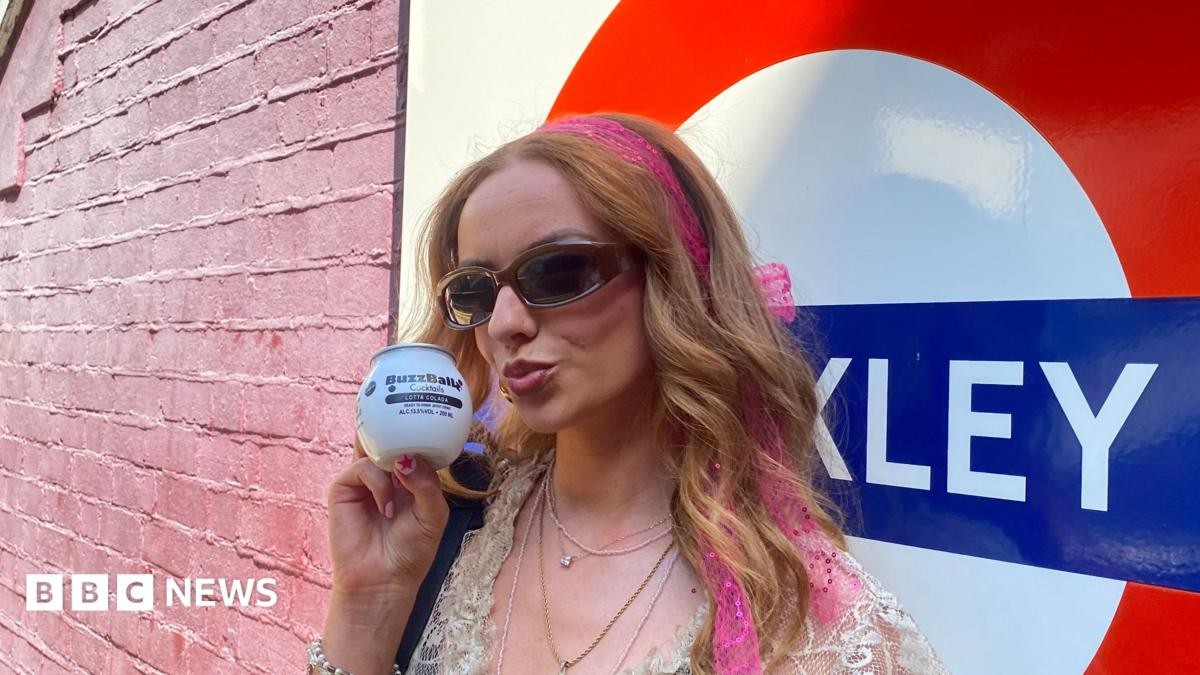
Recycling BuzzBallz isn’t just confusing. It’s practically impossible.
At least that’s what happens when you throw that bright, spherical pre-mixed cocktail container into your kitchen bin. Aédén Rooney, a 21-year-old student at Cardiff University, does it every week. He assumes the plastic and metal combo is fine. The packaging looks recyclable. The website used to say it was.
Experts disagree. Hard.
Why BuzzBallz cannot be recycled in the UK
Here is the deal. BuzzBallz packaging is a hybrid of PET plastic and an aluminum lid. You cannot separate them easily. WRAP, a global environmental action body, confirms these containers have no recovery route in the current UK system.
Adam Herriott, head of packaging at WRAP, puts it bluntly: “No local authorities will accept these at the kerbuside.”
If they do slip through, they cause chaos. The aluminum contaminates the plastic stream. It jams machinery. It lowers the value of the entire recycled batch. Herriott notes the spherical shape makes it worse. These things roll. On conveyor belts. Scanners might ID them in one position, but by the air jets try to sort them, they’ve moved. They end up contaminating other streams.
“It’s definitely one of the villains of recycling.” — Ambarish Mitra, co-founder Greyparrot
Did BuzzBallz mislead customers with deleted FAQs?
The controversy isn’t just technical. It’s textual.
BuzzBallz UK’s website once claimed their packaging was recyclable. A deleted FAQ stated: “Yes, our packaging is recyclable.” It urged users to recycle “where local facilities allow.”
That was false. No UK facility allows it.
BuzzBallz later claimed this was a website error. They said information about TerraCycle—a US-only scheme where you mail in packaging—was “incorrectly copied” during a global update. They apologized for the oversight.
But what about the other claim? The one that said the packaging was recyclable generally? BuzzBallz refused to comment on those now-deleted FAQs.
The cost of “viral” packaging design
James Piper, co-host of Talking Rubbish podcast, hates the design. Not the drink. The shape.
“Every stage of the recycling journey has been design around predictable packaging,” Piper explains.
When brands innovate for marketing, recyclers pay the price. Mixing materials creates problems. There is no environmental upside to making a container harder to sort just because it looks cool on Instagram.
Note: BuzzBallz does sell larger bottles with plastic screw-top lids. Those are recyclable. The spherical ones? Not so much.
How serious is the contamination issue?
Very.
Greyparrot, a waste analytics firm, analyzed a facility in Manchester. This place processes 35,000 tons of plastic annually. Over six months, they tracked the damage.
BuzzBallz contaminated recycled plastic 66% of the time.
The aluminum ruins the plastic quality. The bright dyes lower the bale value. As Mitra says: “This isn’t a recycling problem. It’s a packaging problem.”
Who is behind the BuzzBallz boom?
BuzzBallz isn’t a startup anymore. It’s a corporate giant. Founded by teacher Merrilee Kick, it was acquired by Sazerac Company in 2024. Sazerac is huge. They own brands like Crown Royal and Hennessy. CEO Jake Wenz now oversees the cocktail’s expansion.
The brand is exploding in popularity. The Grocer named it the fastest-growing alcohol brand in their 2026 rankings. Gen Z loves them.
Rooney drinks two or three a week. He calls them a “no brainer.” Strong. Cheap. Convenient.
But convenience comes at a cost.
BuzzBallz’ deleted mission statement said they “love our planet as much as we love a-good cocktail.” They claimed partnership with TerraCycle to ensure recycling. That partnership exists only in the US. In the UK, it was a ghost.
The company says they’ve updated the website. They’ve deleted the misleading FAQs. They’ve issued an apology for the “oversight.”
But the bins are full.
Aédén still assumes they’re recyclable. He’s not alone. Millions of people buy these drinks. They see the plastic. They see the metal. They assume it’s fine.
Maybe it isn’t.


