Wetlands are among the most vital yet misunderstood ecosystems on Earth. To truly grasp their importance—from their role in climate regulation to their support of global biodiversity—it is necessary to understand the specific scientific and geographical terms used to describe them. Below is a clarified guide to the key concepts that define these water-rich environments and the broader ecological context in which they operate.
Core Concepts: What Is a Wetland?
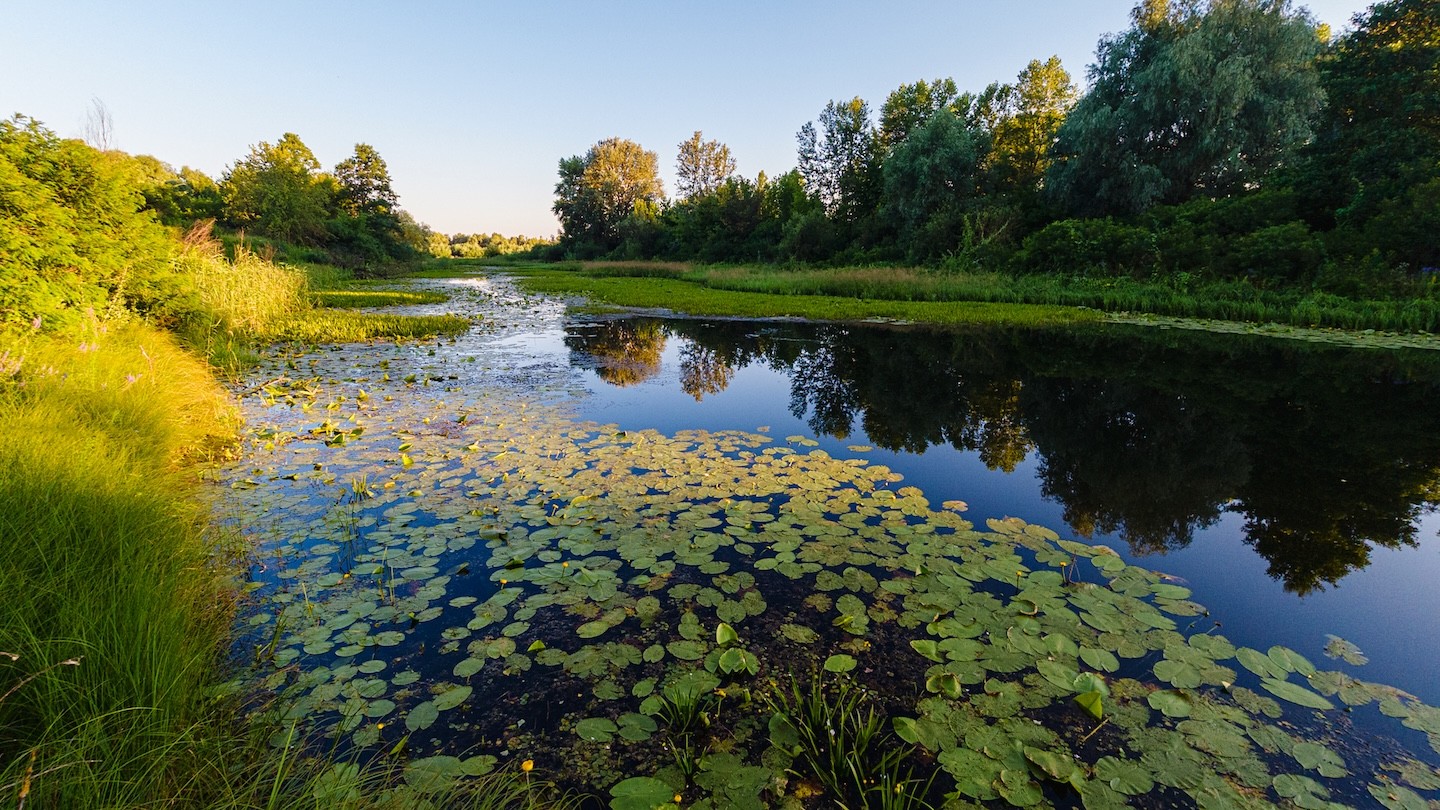
Wetland : As the name suggests, this is a low-lying area of land that is saturated with water or covered by it for significant portions of the year. These environments host specialized plants and animals that have adapted to live in, on, or near water. They are not merely “swamps” but complex systems that include marshes, bogs, and mangroves.
Ecosystem : This term describes a community of interacting living organisms—such as microorganisms, plants, and animals—along with their physical environment within a specific climate. While we often think of natural examples like rainforests or polar tundra, the concept can also apply to artificial environments, though in ecology, it usually refers to natural habitats.
Habitat : The specific natural environment where a plant or animal normally lives. A single habitat, such as a freshwater lake or a coral reef, can support thousands of different species, making it a crucial unit for conservation efforts.
Types of Wetlands and Water Systems
Wetlands vary significantly based on their vegetation, water salinity, and geographical location.
- Bog : A specific type of wetland characterized by the accumulation of dead plant material, particularly mosses, which forms peat. Because bogs are water-saturated and often acidic, decomposition is slow, allowing peat to build up over centuries.
- Marsh : A low-lying wetland typically dominated by grasses and shrubs rather than trees. Marshes are critical for waterfowl, serving as prime feeding and nesting grounds.
- Mangrove : Trees or shrubs that thrive in coastal swamps, often in tropical or subtropical regions. They are distinguished by their long, tangled, above-ground roots, which help stabilize shorelines and protect against erosion.
- Freshwater : Water with very low salt concentrations. This is the type of water found in most inland lakes, ponds, rivers, and streams, as well as groundwater. It is essential for drinking and sustaining terrestrial life.
- Aquatic : An adjective referring to anything related to water. In biology, this often describes organisms or processes that occur in water environments.
Ecological Processes and Health
Understanding how wetlands function requires looking at the physical and chemical processes that maintain them.
Biodiversity : Short for biological diversity, this refers to the variety and number of species within a localized geographic region. High biodiversity is generally a sign of a healthy, resilient ecosystem.
Filter : In an ecological context, wetlands act as natural filters. They screen out pollutants and sediments based on size, density, or other traits, allowing cleaner water to pass through while trapping harmful materials.
Sediment : Material such as sand, stones, or soil that is transported and deposited by water, wind, or glaciers. Wetlands often trap sediment, preventing it from clouding downstream waters and damaging aquatic habitats.
Erosion : The process by which rock and soil are removed from one location and deposited elsewhere. Causes include wind, water (rainfall and floods), glaciers, and freeze-thaw cycles. Healthy wetlands and forests play a critical role in mitigating erosion by holding soil in place with their root systems.
Pollutant : Any substance that taints air, water, bodies, or products. Pollutants can be chemical (like pesticides), physical (like excess heat or radiation), or biological (such as invasive species). Wetlands help mitigate pollution by breaking down or absorbing these harmful substances.
Pesticide : Chemicals used to kill insects, rodents, or other organisms harmful to crops, pets, or livestock. Runoff containing pesticides is a major pollutant that wetlands help filter out before it reaches larger water bodies.
Sewage : Wastes, primarily urine and feces, mixed with water and flushed through pipe systems. While often treated in water-treatment plants, untreated or poorly treated sewage can leak into wetlands, posing a risk to water quality and public health.
Climate, Carbon, and Global Impact
Wetlands are increasingly recognized for their role in the global climate system.
Carbon : A fundamental chemical element and the basis of all life on Earth. In climate studies, “carbon” is often used interchangeably with carbon dioxide to discuss the impacts of human activities on atmospheric warming. Wetlands, particularly bogs, store vast amounts of carbon in their peat layers.
Greenhouse Gas : Gases that absorb heat and contribute to the greenhouse effect, trapping warmth in the atmosphere. Carbon dioxide is a primary example. When wetlands are drained or degraded, the stored carbon can be released as greenhouse gases, accelerating climate change.
Climate Change : Long-term, significant shifts in Earth’s climate, driven by both natural processes and human activities such as burning fossil fuels and deforestation. Wetlands are both victims of climate change (through rising sea levels and altered rainfall patterns) and potential solutions (by storing carbon and buffering against extreme weather).
Sea Level : The average height of the ocean’s surface globally, averaged out to remove short-term changes like tides. Rising sea levels, a consequence of climate change, threaten coastal wetlands like mangroves and marshes with inundation and saltwater intrusion.
Broader Context: Geography and Society
To fully understand wetlands, one must also consider the larger geographical and social frameworks in which they exist.
Continent : One of the Earth’s large land masses sitting on tectonic plates. The six established continents are North America, South America, Eurasia, Africa, Australia, and Antarctica. In 2017, scientists proposed a seventh: Zealandia. Wetlands exist on every continent, adapting to local climates.
Antarctica : The southernmost continent, mostly covered in ice. While not known for traditional wetlands due to its frozen state, it contains unique aquatic ecosystems under its ice shelves that are critical for scientific study.
Forest : An area of land covered mostly with trees and woody plants. Forests and wetlands often intersect, creating complex ecosystems like swamp forests that offer high biodiversity and carbon storage.
Ecologist : A scientist who studies the relationships between organisms and their physical surroundings. Ecologists are essential in understanding how wetlands function and how to protect them.
Species : A group of similar organisms capable of producing viable offspring. Protecting wetlands is crucial for preserving the species that depend on them for survival.
Sentient : Describes the ability to perceive or feel things, such as pain or awe. While this term is often applied to animals in ethical discussions, it highlights the intrinsic value of wildlife that inhabits wetlands.
Media : The channels through which information is shared, including traditional outlets (newspapers, TV) and digital platforms (social media). Media plays a crucial role in raising awareness about wetland conservation and the impacts of climate change.
Hurricane : A powerful tropical cyclone with winds of at least 119 km/h (74 mph), occurring in the Atlantic. In the Pacific, similar storms are called typhoons. Wetlands, especially coastal marshes and mangroves, act as natural buffers, absorbing storm surges and reducing the damage caused by hurricanes to inland communities.
Downstream : Refers to areas further along the path of a stream or river toward its outlet. Activities upstream, such as pollution or deforestation, have direct impacts on downstream ecosystems, including wetlands and oceans.
Conclusion : Wetlands are far more than just wet ground; they are dynamic, carbon-storing, biodiversity-rich ecosystems that protect coastlines, filter water, and mitigate climate change. Understanding the specific terms associated with these environments—from peat and sediment to biodiversity and erosion —is essential for appreciating their value and advocating for their protection in an era of rapid environmental change.