


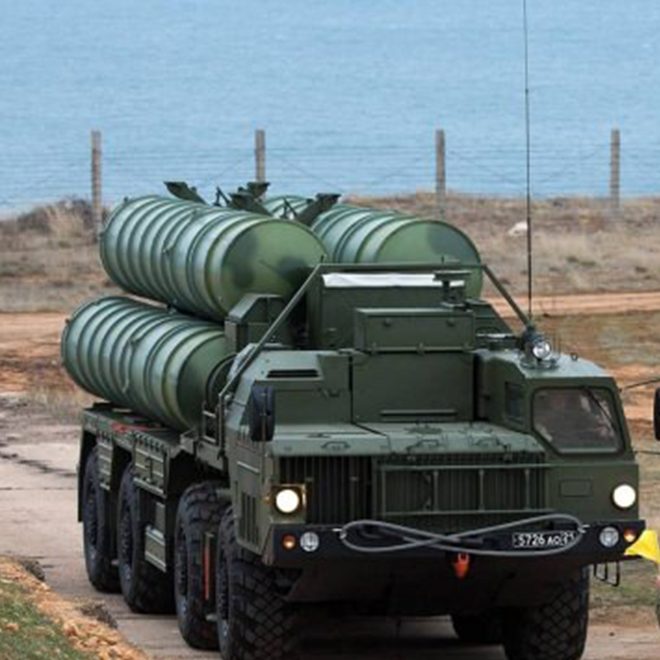
S-400 トライアンフは、長年にわたりトルコの政治的議論の主要な話題となってきました。 これは地元だけの問題ではありません。 それは世界的な見出しにもなりました。 表面的な議論をよく耳にします。 しかし、技術的および戦略的現実ははるかに複雑です。 ほとんどの人は、このロシアの製造システムの具体的な詳細を知りません。 ここでは、主流のニュースになることはほとんどない、あまり知られていない事実を詳しく紹介します。
What exactly is the S-400?
The core of the S-400 is a long-range surface-to-air missile system. Russia developed it to replace the aging S-300PMU series. It entered service in 2007. The name “Triumph” reflects its intended role – air defense superiority. But how does it differ from its predecessor?
It is not a single weapon. それは1つのバッテリー(発射群)です。 A complete system designed to attack multiple targets simultaneously. 航空機、ドローン、さら弾道ミサイルも迎撃できます。 This is an important feature that attracts worldwide attention.
The system has a modular architecture. This means that different types of missiles can be launched from the same launcher. Adapts to different threats. Some missiles have a range of 40 kilometers. Some can reach up to 400 kilometers. This flexibility determines the operational value.
为什么土耳其想要S-400?
土耳其对S-400的兴趣并非偶然。 它源于特定的安全保障の隙間。 安卡拉希望拥有超越北约所能提供的防空能力。 该地区现有的系统被认为不足以应对某些空中威胁。
主要目标是独立。 依赖像爱国者这样的西方体系涉及政治因素。 S-400 提供了一种非北约替代方案。 它集成了与西方技术不同的雷达和火控系统。 这种分离是有意的。
土耳其认为这是平衡其军事态势的一种方式。 这不仅仅是购买硬件。 这是关于战略自主权。 探测和摧毁高空目标的能力是一项主权权利。 S-400 承诺具备这种能力。
1つのバッテリーにはどのくらいのミサイルがあるのか?
One S-400 battery is a large installation. It is not a portable device. Requires a lot of infrastructure. Understanding its ingredients will help clarify its benefits.
A standard battery usually contains:
– 4-6 TEL vehicles.
– 指揮統制車両。
– Early warning radar system.
– Fire control radar.
Each TEL vehicle can carry four missiles. Therefore, the basic battery can fire 16-24 missiles 一斉に However, the system can 複数のバッテリーと連携し This creates a layered defense network. The number of missiles is not the only indicator. Diversity of missiles is more important.
トルコではどこに配備されるのか?
地点是一个战略选择。 S-400 电池的放置取决于威胁评估。 潜在地点的选择是根据雷达覆盖范围和战略深度。
主要兴趣领域包括:
– 靠近叙利亚和伊朗边境的东部省份。
– 黑海沿岸,监测空中活动。
– 靠近北约基础设施的区域,以实现冗余。
这些位置允许系统

让我们消除噪音。 S-400不仅仅是军备竞赛中的又一个参赛者。 它可以说是目前正在生产的最强大的地对空导弹系统。 称其为地球上最强大的防御平台可能听起来有些夸张,但从其规格来看,这一说法确实有道理。
这不是一个全新的发明。 俄罗斯在冷战时期开始研发这些导弹。 S-400 是从 S-100 开始的第四代产品,随后是 S-200 和 S-300。 如果您见过较旧的系统投入使用(例如自 2019 年以来在希腊和叙利亚部署的 S-300),那么您看到的就是一种经过验证但较旧的技术。 S-400 是其进化版。
目前,这些系统活跃在俄罗斯、叙利亚、中国和白俄罗斯手中。 对于从俄罗斯购买该系统的土耳其来说,安装和集成过程一直是全球关注点。 每个人都想知道到底是什么让这个硬件如此强大。
What are the technical specifications of the S-400 system?
Details of the S-400’s capabilities have dominated headlines for months. We’ve compiled some hard facts about why this missile defense system is under such intense scrutiny. Below is a breakdown of the specific features that define its performance.
The S-400 is designed to attack targets with a range of up to 400 kilometers, depending on the missile model used.
It’s not just about shooting down planes. The versatility of this system is based on its ability to handle multiple threats simultaneously. It can track air-breathing targets, ballistic missiles and even low-observable stealth aircraft, although the latter is still hotly debated by military analysts.
The system is based on a combination of radar types and different missile families. This combination allows you to attack targets at different heights and speeds. Some missiles are optimized for long-range interception, while others are designed for terminal defense. This layered approach creates a dense defensive umbrella, making it difficult for enemy aircraft to penetrate.
Why is this important? Because air superiority is always a decisive factor in modern conflicts. If one side controls the air, they control the land. The S-400 changes the balance and forces opponents to rethink their flight path and tactics. It is both a weapon and a deterrent.
The debate often centers on whether stealth technology can circumvent the S-400. Some experts believe that the new radar can detect aircraft with a low RCS (radar cross section). Some believe electronic warfare and speed are still the best answer. The truth may lie in the specific engagement scenario, the number of launchers used and the appropriate support infrastructure.
The problem for countries considering joining the system is not just capacity. It’s about integration. How does it fit into existing NATO or non-NATO frameworks? The technical specs are impressive, but the strategic implications are complex.
The S-400 represents a major advance in air defense technology. This requires a reassessment of how air power is projected into conflict zones. Whether this makes air superiority obsolete remains to be seen. It is clear that it can no longer be ignored
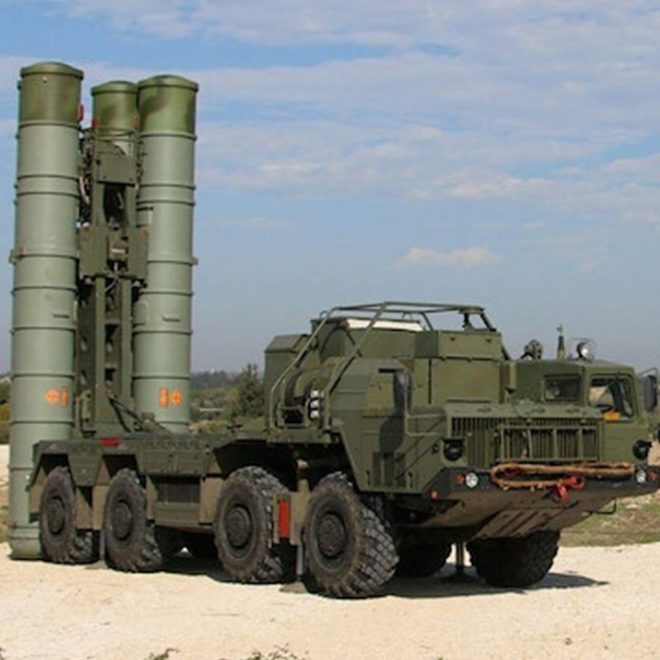
Inside the S-400 Battery
The Russian-made S-400 Triumf air defense system is a logistical beast. You might see the numbers on a spec sheet, but the physical reality of deploying it is different. So, how many missiles does a single S-400 battery actually carry? The answer depends on the mix, but the standard configuration tells a clear story.
A full S-400 battery consists of a command post, radar systems, and eight launchers. Each launcher is a transporter erector launcher and radar (TELAR) unit. Under normal operational conditions, each launcher carries four missiles. That gives you a baseline of 32 missiles per battery.
But the S-400 isn’t just one missile. It’s a multi-layered shield.
The Missile Mix
The eight launchers in a single battery are typically loaded with a combination of four different missile types, designed to hit targets at varying altitudes and distances. The standard loadout looks like this:
- 48N-E3 : Long-range surface-to-air missiles. These are the workhorses.
- 9M96E/E2 : Medium-range missiles. Agile and fast, good for closer threats.
- 9M100 : Short-range missiles. Used when enemies get too close.
- 5V55R : Anti-ballistic missiles (rarely used, but part of the kit).
In practice, a battery doesn’t just fire one type. It layers them. You might have six launchers loaded with 48N-E3s for deep coverage and two loaded with 9M96s for terminal defense. This flexibility is what makes the system dangerous.
Why the Mix Matters
The S-400 can engage up to 80 targets simultaneously. It tracks aircraft, cruise missiles, medium-range ballistic missiles, drones, and other airborne surveillance systems. The range stretches to 400 kilometers, and it can hit targets at an altitude of 30 kilometers. The speed? Mach 14 (about 4.8 km per second).
This isn’t just about shooting things down. It’s about creating a no-fly zone that forces adversaries to change their tactics. When you deploy S-400 batteries in places like Kaliningrad, Crimea, Syria, or even Hellenic Republic (Greece) and Belarus, you’re not just hiding missiles. You’re shifting the balance of power.
Where It’s Deployed
Russia itself is the primary manufacturer, but the system has traveled far. It’s in Moscow, protecting the capital. It’s in Syria, guarding Hmeimim Air Base. It’s in Kaliningrad, a Russian exclave surrounded by NATO. It’s in Krym (Crimea), a flashpoint since 2014. And it’s even in Greece, a NATO member, sold by Russia in a move that sparked diplomatic headaches. Belarus also hosts them, deepening the alliance with Moscow.
The system entered service in 2007, and it’s been upgraded since. But the core idea remains: shoot from far away, hit hard, and make sure the enemy can’t get close enough to fire back.
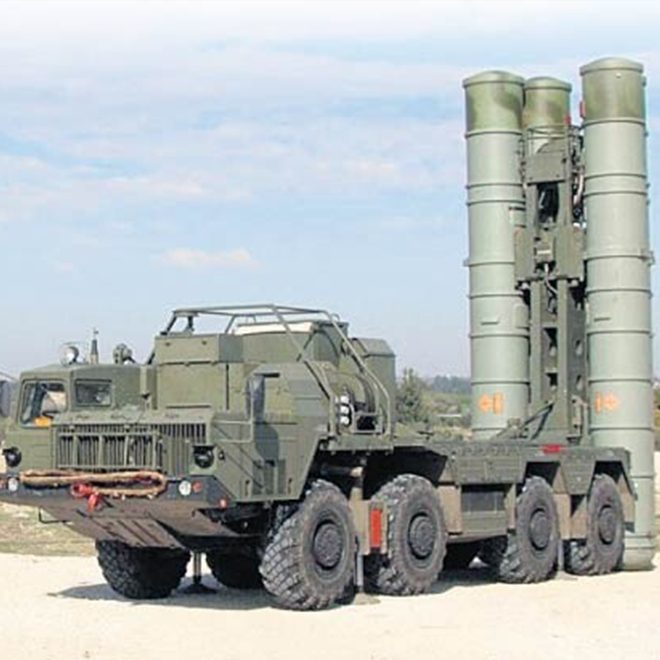
The contract was straightforward on paper. Turkey has bought two battery systems from Russia. Each battery is equipped with 72 rockets. This is a concrete, hard number.
Do the math. Two batteries. Seventy-two rockets each.
What is the total inventory in Turkish storage? 144 rockets.
This is the physical reality of the purchase. But numbers don’t explain strategy. They only count the hardware. The real question is not the amount. It’s about intention. Why did Ankara take this step?
National sovereignty vs. NATO standards
Turkey’s rationale was not just more missiles. It was about control. The existing air defense network, which relies heavily on NATO-standard Patriot systems, has limitations. These systems are integrated into the wider alliance structure. Decisions are not always made in Ankara.
The S-400 offered something else. Integration. Autonomy.
“Turkey wanted a system it could operate without Washington’s permission.”
It’s not just about firepower. It is about political independence. The S-400 is a long-range system. It can engage aircraft and cruise missiles at ranges that exceed shorter-range defenses. For a country with complex airspace challenges, this dimension is important.
Strategic compromise
The purchase of the S-400 came at a price. A steep one. The US has removed Turkey from the F-35 fighter jet program. Sanctions followed. Relations with NATO allies became strained.
Why accept this blow?
The Turkish government claimed that relying on foreign powers to core security was a vulnerable point. They needed a system that could not be overturned by political dissension in Washington. The S-400 provided this option.
How it changes the regional balance
The presence of 144 interceptors changes the equation in the airspace of the eastern Mediterranean. This makes operations difficult for opponents who might otherwise operate with impunity. It forces other nations to rethink their flight routes and surveillance missions.
It’s not just a defensive wall. It’s a statement. A declaration that Turkey will not outsource its airspace.
The conversation continues. Is the cost worth the gain? Some see this as a necessary step towards independence. Others see this as a dangerous shift away from Western alliances.
There is no consensus. Only rockets. Ready. Waiting.
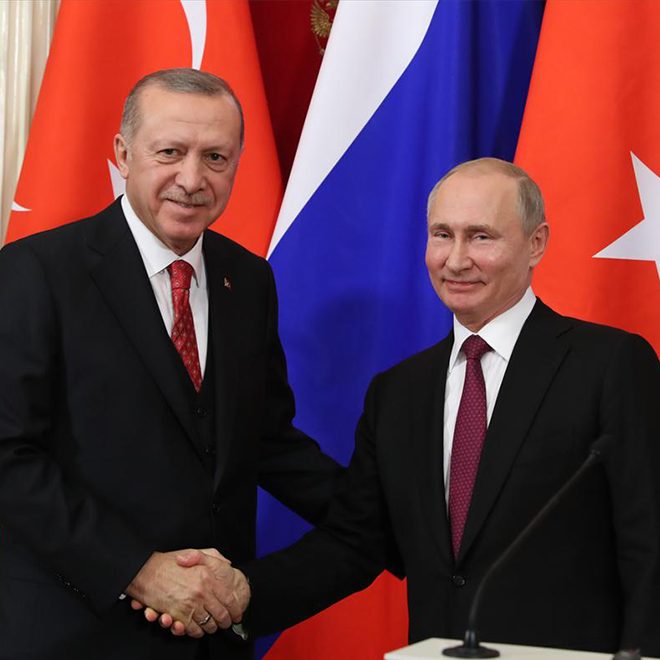
Why Turkey chose the S-400 over Western alternatives
The difference between Turkey and the United States did not happen overnight. It boiled down to a specific decision: the purchase and deployment of the Russian S-400 air defense system. But why did Ankara choose Moscow when NATO allies offered solutions? The answer is not just about politics. It’s about a glaring gap in national security.
Turkey operated for years without a unified long-range air defense network. They had systems, yes. But nothing that can reliably track and attack high-value targets like ballistic missiles or advanced stealth aircraft at longer ranges. The S-400 filled this gap. It provided capabilities that Turkish strategists felt were essential because they live in a volatile region.
Where are the S-400 batteries located?
Turkey didn’t just buy hardware; it actively integrates it into its defensive posture. The deployment isn’t random. It’s strategic.
Reports and official statements indicate that the S-400 units will be deployed near critical infrastructure and borders where the threat level is considered to be the highest. This includes areas that are vulnerable to potential aggression from multiple directions. The goal is multi-level defense. By placing these systems in key locations, Turkey aims to create a deterrent that makes any air strike too risky for potential adversaries.
The deployment also marks a change in military doctrine. Turkey no longer relies solely on NATO’s umbrella for its air defense. It builds independent capability. This autonomy comes at a cost, as shown by US sanctions and the withdrawal from the F-35 program. But for the Turkish leadership, the trade-off was considered acceptable. They prioritized immediate, tangible security over diplomatic goodwill.
The S-400 is not just a weapon system. It’s a declaration of intent. Turkey asserting its right to define its own security parameters, even if that means walking a tightrope with its traditional allies. Deployment locations are chosen to maximize coverage and minimize vulnerability. It’s a chess move, not checkmate.
Where exactly are these batteries located? for operational security, certain coordinates are often classified. But the general strategy is clear: protect the core area. Deter the neighbors. Assert independence.
Is this a sustainable path? Only time will tell.
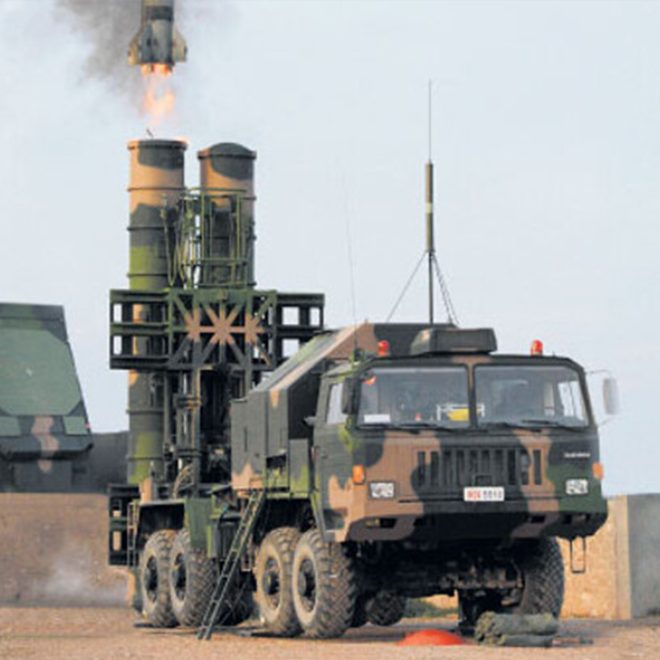
Turkey’s S-400 Deployment: Borders and Gas Fields
Reports indicate that the first phase of deploying the S-400 air defense systems, purchased by Turkey from Russia, will likely focus on the Syrian border and the Eastern Mediterranean. The logic is straightforward. Syria remains a conflict zone. Meanwhile, natural gas exploration around Cyprus has intensified tensions in the Mediterranean. Ankara needs a shield that can handle both threats.
Why NATO and the US Oppose the S-400
The acquisition has drawn sharp criticism from Washington and its NATO allies. The core issue isn’t just political posturing. It’s about technical interoperability. The S-400 is a Russian system. It uses different communication protocols and radar data than NATO’s integrated air defense network.
Integrating a non-NATO system into an alliance’s infrastructure creates a security gap.
Washington fears that the S-400’s advanced radar could collect data on sensitive US military aircraft, specifically the F-35 stealth fighter. If Russia or its partners gain access to that data, it could compromise the stealth capabilities of the entire F-35 fleet. This isn’t a minor concern. It’s a strategic vulnerability.
The Strategic Trade-off
Turkey argues that the S-400 is essential for its national security. The Syrian border is unstable. Refugee flows, terrorist activities, and cross-border fire require a robust defense layer. The Eastern Mediterranean is another flashpoint. Greece and Turkey have disputed maritime boundaries. Gas exploration permits overlap. Tensions flare up frequently.
The S-400 offers long-range detection and engagement capabilities. It can track aircraft and missiles from hundreds of kilometers away. This provides Turkey with a deterrent that its existing NATO-compatible systems might lack. However, this comes at a cost.
Consequences of the Deal
The US has already imposed sanctions under the Countering America’s Adversaries Through Sanctions Act (CAATSA). Turkey has been removed from the F-35 program. This is a significant blow. The F-35 was intended to modernize the Turkish Air Force. Instead, Turkey is left with a gap in its fifth-generation fighter capability.
NATO members view the S-400 as a step away from collective defense. It creates a dual-capability system that could operate independently of allied commands. This complicates joint operations. It raises questions about trust among allies.
What This Means for Regional Stability
For now, the S-400 is being positioned where it matters most. The Syrian border requires immediate coverage. Gas fields in the Eastern Mediterranean need protection from potential aerial threats. Turkey is prioritizing its immediate security needs over diplomatic friction.
The deployment is a statement. Turkey is asserting its right to choose its own defense partners. It is also signaling that it will not back down in its regional disputes. The risk is higher tensions with neighbors. The benefit is a perceived increase in national security.
The question isn’t whether the S-400 will be used. It’s whether the fallout from the deal will outweigh the security gains. NATO relations are strained. The F-35 absence leaves a void. But for Turkey, the immediate threats in Syria and the Eastern Mediterranean feel more pressing than distant diplomatic concerns.
The systems are moving into place. The radar dishes are turning. The geopolitical chessboard has shifted. Whether this strengthens Turkey’s
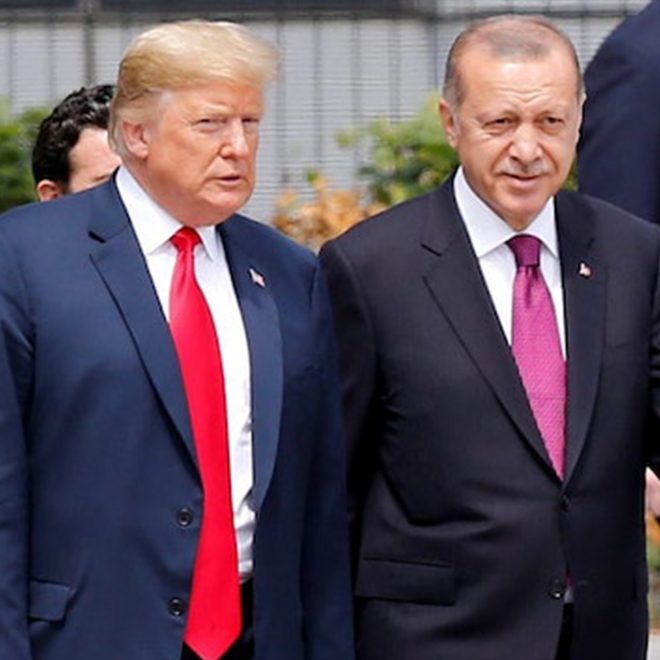
当土耳其从俄罗斯购买 S-400 导弹防御系统时,紧张局势加剧。 美国和北约的强烈反应是立即而严重的。 尽管面临压力,安卡拉仍拒绝让步。 核心冲突不仅仅是硬件方面的。 这是关于兼容性的。
北约对其成员国有严格的协议。 成员国使用的所有军事系统必须与联盟现有基础设施无缝集成。 S-400不满足这个要求。 它是俄罗斯制造的系统,拥有自己的数据协议和命令结构。 将其集成到北约领导的防御网络中会带来重大的安全风险。 华盛顿及其盟友担心莫斯科可能会获取敏感的美国雷达数据。 这就是为什么反对如此响亮和持久的原因。
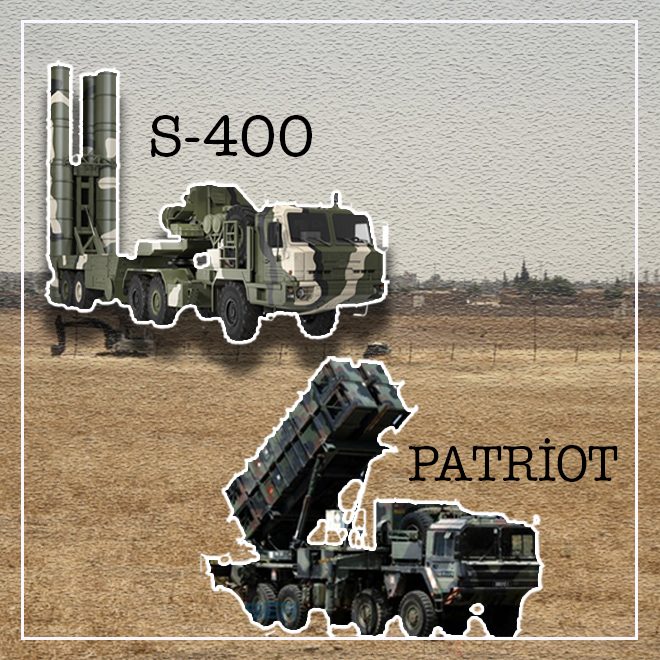
S-400 and Patriot missile system comparison
The purchase sparked a heated debate about the technical differences between the two major air defense systems. To understand why they are incompatible, you need to understand their design philosophy and origins.
S-400 Triumph
- Place of origin: Russia
- Presentation: 2007
- Features: Regional air defense
- Natural: Designed to cover large areas of the sky and attack multiple targets at long ranges. It is a broad-spectrum shield designed to protect the country’s airspace from a variety of aircraft, missiles and drones.
MIM-104 Patriot
- Country of origin: USA
- Summary: 1982
- Function: Point area defense
- Nature: Designed to protect a specific valuable property or area. We focus on precise captures. It can cover quite a large area, but its main advantage is targeting and destroying specific targets with high precision.
The technological gap is huge. The S-400 is a newer, long-range system designed to achieve territorial superiority. Patriot is an older, battle-tested system built for NATO interoperability. When Turkey bought the S-400, it introduced a foreign command node into its military organization. This breaks the chain of trust and information sharing that NATO relies on. These systems do not communicate with each other at all.
This incompatibility creates serious problems for anyone following defense policy. How can Turkey use both systems to protect one without endangering the other? The answer is that they cannot be fully integrated. The S-400 operates in a silo. Washington cannot accept precisely this kind of isolation.
The debate is not only about which missile is faster or has a longer range. At stake is whether NATO members can deploy incompatible Russian strategic assets on their own soil. Technical data only tells half the story. Political influences resolve conflicts.
Turkey believes that the S-400 strengthens national sovereignty. That requires a layered defense that the Patriots alone cannot provide. NATO believes that the introduction of a competitive system undermines collective security. Both sides are reasonable from their own point of view.
The result is a stalemate. Neither side has yet blinked. Install the S-400 battery. Sanctions are in effect. The question remains whether this disagreement will lead to a permanent rift in relations between Turkey and NATO, or whether diplomacy will find a way to bridge the gap.
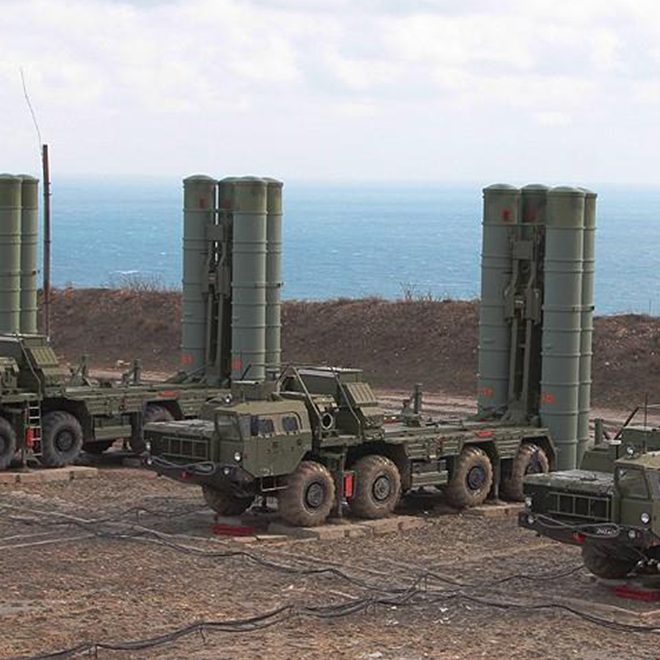
Operating range and mechanical principle of the S-400
If you look at the technical data of the S-400 Triumf, you will see that the numbers speak for its enormous impact. This is not a short-term fix. This is a long-range surface-to-air missile system designed to keep aircraft out of protected areas.
The effective shooting distance is 120 km. This is a huge air zone. In context, this covers dozens of cities or large military bases in all directions. This system can attack distances up to 30,000 meters. This facilitates access to the stratosphere and allows not only aircraft but also potential ballistic missiles and high-altitude drones to be tracked.
How is it locked? The control system is based on TVM (Track-Via-Missile) technology. Simply put, the missile itself acts as a sensor in flight, sending data back to the launcher on the ground and correcting its trajectory in real time. This means that the missile can adjust its course even if the starting data is slightly off. This feedback loop greatly improves accuracy compared to traditional blind fire systems.
The warhead weighs 25 kg and is based on fragmentation. A direct hit is not required. 25 kilograms of explosive fragments created a wide killing radius. If the jet flies into that cloud of debris, that’s it. It doesn’t have to be exact. It’s just that it’s close.
Speed is the last piece of the puzzle. The missile’s flight speed is Mach 5+. 5 times the speed of sound. When the operator confirms the launch, the capture has usually taken place or is complete. Target reaction time is measured in seconds, not minutes. This completely changed the shape of air defense. You can’t go beyond that. You cannot outmaneuver it easily. You have to spot it early enough to shoot it down before it reaches firing speed, which is very difficult.
Looking at the Patriot Missile System Specifications gives a clear picture of a specialized fast interceptor. It is not a long-range strategic weapon in the sense of the Russian equivalent. Instead, it serves as a very nimble short-range defensive tool. The maximum effective range is a little over 20 kilometers. This may sound limited on the map, but the reaction time and speed of air defenses matters.
The system can reach an altitude of 15,000 meters. The speed is a breathtaking 4.5 Mach. This is the hypersonic territory for the interceptor. The control system is based on active radar target search. This means that the missile itself carries the radar to find and track the target. Unlike some systems that use commands until the last minute, this system does the hunting. Interestingly, the base spec lists the warhead as “none”, which usually means that the system relies on proximity or kinetic strike rather than a dedicated burst charge for certain attack profiles, or emphasizes the missile’s role as a pure kinetic killer.
Real life comparison of S-400 and Patriot
The debate between S-400 and Patriot capabilities often focuses on range, but the functional differences are more nuanced. One of the most striking contrasts is the speed of deployment. The S-400 system can be assembled and fired in about five minutes. The Patriot system requires significantly more time – about 30 minutes. In a scenario where enemy aircraft are already closing in, those extra 25 minutes can mean the difference between protected skies and a breached perimeter.
Range is another major talking point. The destruction range of S-400 ballistic missiles is 60 kilometers. The Patriot’s effective range of ballistic threats has been reported to be 45 kilometers. So, while the Patriot is faster and more agile, the S-400 can attack targets further away.
The launch angles also vary. The S-400 can fire missiles at a 90-degree angle, allowing for a vertical attack rare in shorter-range systems. The launch angle of the Patriot is more limited, around 38 degrees. This limits the ability to attack targets from directly above or with a steep vertical trajectory compared to the flexibility of the S-400.
Guidance and Radar Mechanics
The way the two systems guide their missiles to a kill is fundamentally different. The S-400 uses semi-active radar targeting in its interceptor missile. This means that the system’s launcher or radar will illuminate the target and the missile will lock onto this reflection. However, the Patriot uses active radar targeting. The missile has its own radar brain. It turns on its own seeker and finds the target independently. This makes Patriot missiles harder to jam and less dependent on the launch platform’s radar to lock onto a target throughout flight.
Finally, look at the radar itself. The detection distance of the Patriot’s radar is 150 kilometers. These are the “eyes” of the system. However, the actual range of the missiles is only 20 kilometers. This difference highlights an important strategic reality: the radar can see far, but the weapon must be closer to kill. S


