The question of whether life exists beyond Earth is one of the most enduring in science. While evidence of complex extraterrestrial life remains elusive, certain organisms have demonstrated a remarkable ability to survive—and even thrive—in the harsh conditions of space. This isn’t simply science fiction; it’s a field of active research with implications for how we understand the origins of life and the possibility of panspermia, the theory that life spreads through the universe via microbes.
The Extremophiles: Life’s Hardiest Travelers
The key to survival in space isn’t about thriving in a comfortable environment; it’s about enduring extreme conditions. Radiation, the vacuum of space, and temperatures that swing wildly between scorching heat and frigid cold pose immense challenges. Yet, several organisms have proven capable of withstanding these hurdles.
One standout example is the tardigrade, also known as a water bear. These microscopic creatures—barely visible to the naked eye—can enter a dormant state, shutting down their metabolism to survive extreme dehydration, radiation exposure, and even the vacuum of space. Experiments aboard the International Space Station have confirmed that tardigrades can withstand prolonged exposure to these conditions, reviving upon return to Earth.
Bacteria: Ubiquitous Survivors
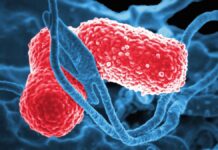
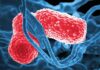
Bacteria, single-celled organisms found everywhere on Earth, have also shown surprising resilience. Some species can survive in the stratosphere, the layer of the atmosphere above where planes fly, and even on the exterior of spacecraft. Their ability to form spores —protective, dormant structures—allows them to endure radiation and extreme temperatures for extended periods.
This is not just about survival. The presence of bacteria in space raises questions about the potential for life to travel between planets. The theory of panspermia suggests that life may have originated elsewhere and been seeded on Earth via asteroids or comets.
Other Unexpected Travelers
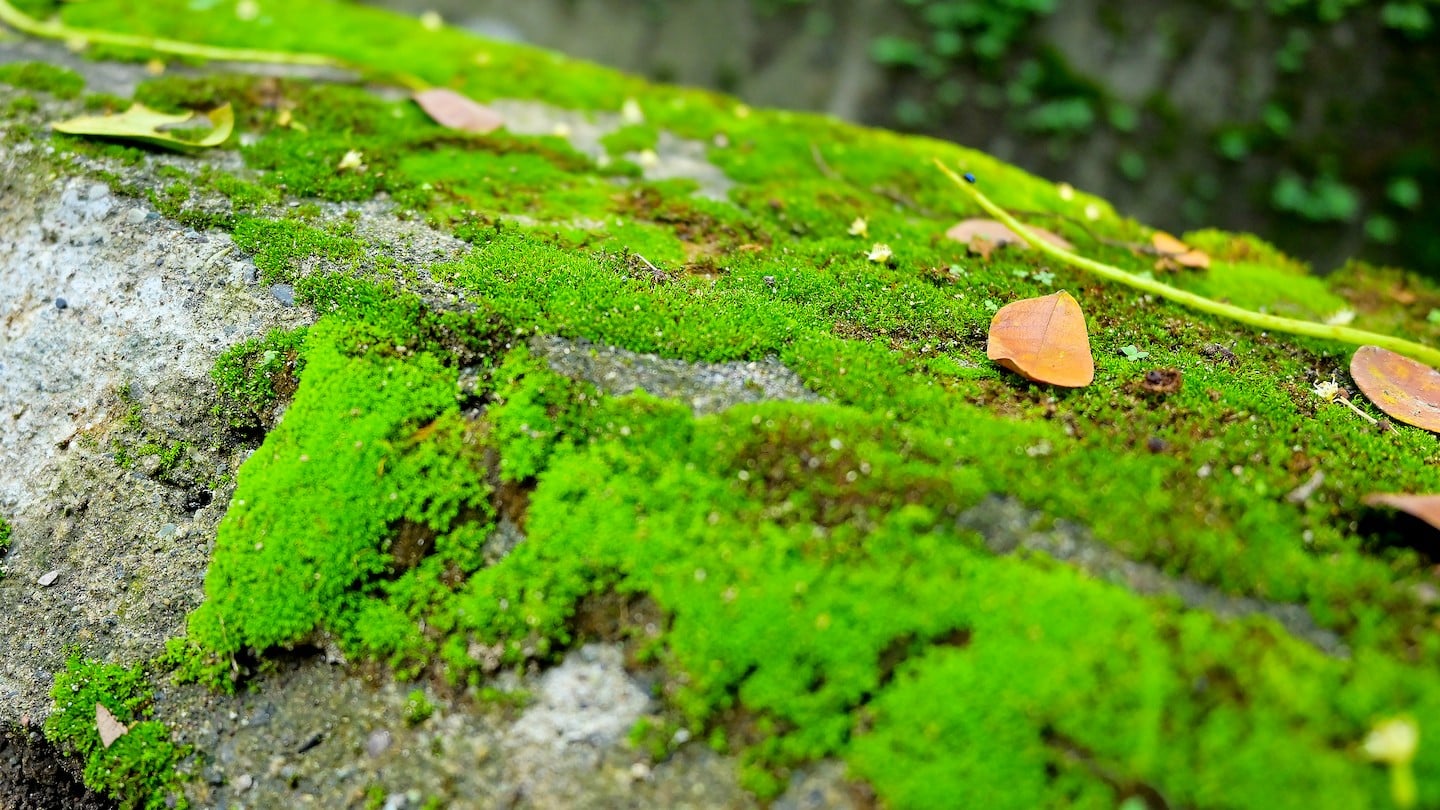
Beyond bacteria and tardigrades, other organisms have demonstrated unexpected hardiness. Lichen, a symbiotic blend of fungi and algae, can survive in the vacuum of space for short periods. Moss and even some types of fungi have been shown to withstand radiation exposure better than previously thought.
It is important to note that survival does not necessarily mean thriving. Exposure to space still poses a risk to organisms, particularly from long-term radiation damage. However, the ability of these life forms to endure even brief periods in space highlights the remarkable adaptability of life.
The Implications for Space Exploration
The discovery that life can survive in space has practical implications for planetary exploration. Preventing contamination of other planets with Earth-based organisms is a major concern. Understanding how microbes survive in extreme conditions could help develop better sterilization protocols for spacecraft.
More broadly, the persistence of life in the harshest environments suggests that the universe may be teeming with organisms far more resilient than we previously imagined. The question is no longer whether life can survive in space, but where else it might already be hiding.