Artificial intelligence has reached a new milestone: it can now independently generate working genetic instructions, effectively writing the blueprints for life from the ground up. This isn’t just about rearranging existing sequences; the AI designs completely new genetic code that can function within living organisms.
The Breakthrough Explained
The AI model, a sophisticated computer algorithm, doesn’t simply select from pre-existing data. Instead, it learns from vast datasets to create novel genetic sequences for specific purposes. This capability extends to designing instructions for proteins, the workhorses of cells, and even entire genomes – the complete set of genetic material in an organism.
Why this matters: This isn’t just an academic curiosity. The implications are huge, spanning medicine, biotechnology, and even biosecurity. Imagine designing bacteria to produce specific drugs, creating viruses that target cancer cells, or engineering new antibiotics to combat drug-resistant strains.
How It Works: The Building Blocks
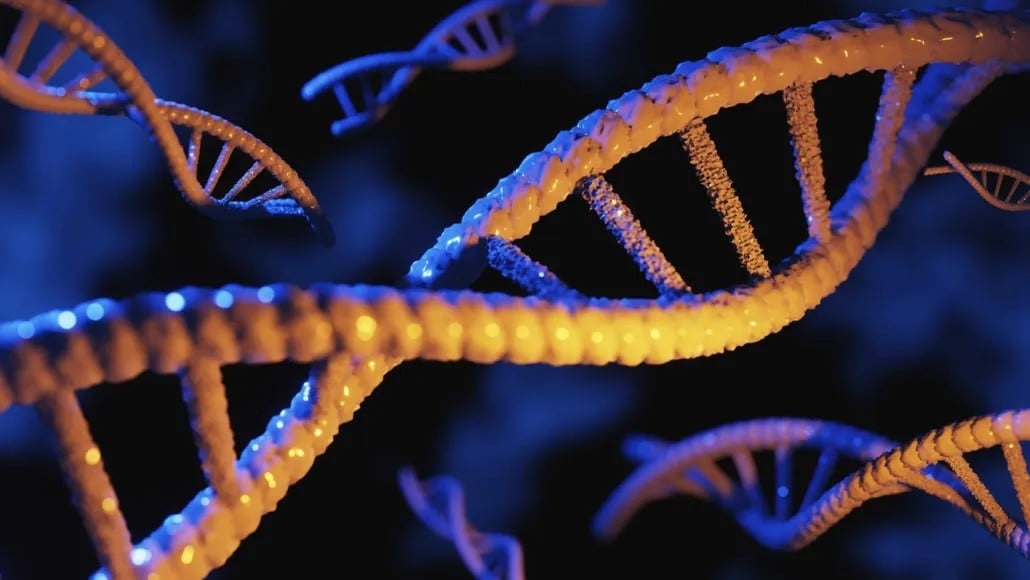
The AI constructs genetic code using DNA (deoxyribonucleic acid), the double-stranded molecule that carries instructions for cells. These instructions are broken down into genes, segments of DNA that code for proteins. The AI can design these genes to produce proteins with specific functions, like enzymes that break down toxins or antibodies that fight off infections.
Key Terms:
- Bacteriophage (Phage): Viruses that infect and kill bacteria. The AI can design phages to target specific bacterial strains.
- E. coli: A common bacterium used in genetic research. The AI can engineer new strains of E. coli with altered properties.
- Antibiotic: Drugs used to kill bacteria. AI could design entirely new antibiotics, bypassing existing resistance mechanisms.
The Biological Context
The AI’s ability to evolve designs is particularly significant. Evolution, in the biological sense, refers to gradual changes in genes passed down to offspring. The AI mimics this process by refining its designs through iterative simulations, creating increasingly optimized genetic sequences.
The potential is staggering. The AI can now design functional code for:
- New Therapies: Creating proteins that target diseases with unprecedented precision.
- Synthetic Biology: Building entirely new organisms with tailored functions.
- Biosecurity Risks: Designing pathogens with enhanced virulence or resistance to countermeasures.
The Future of Genetic Design
The AI’s designs aren’t limited to theoretical models; they can be physically synthesized and tested in living organisms. This means the gap between digital design and biological reality is shrinking rapidly. The system leverages computational power to analyze the complex interplay of genes, proteins, and cellular processes.
“This technology is a paradigm shift. We’re no longer constrained by the limitations of natural evolution. AI can now accelerate the design process to levels previously unimaginable.”
The implications are clear: AI is poised to reshape our understanding of life itself. The ability to write functional genetic code from scratch opens the door to a future where biology is no longer solely dictated by nature but increasingly shaped by artificial intelligence.