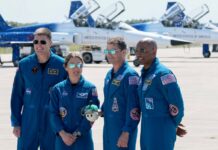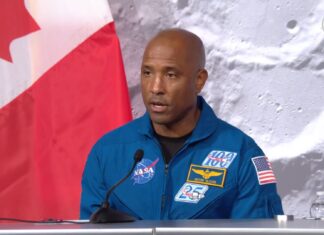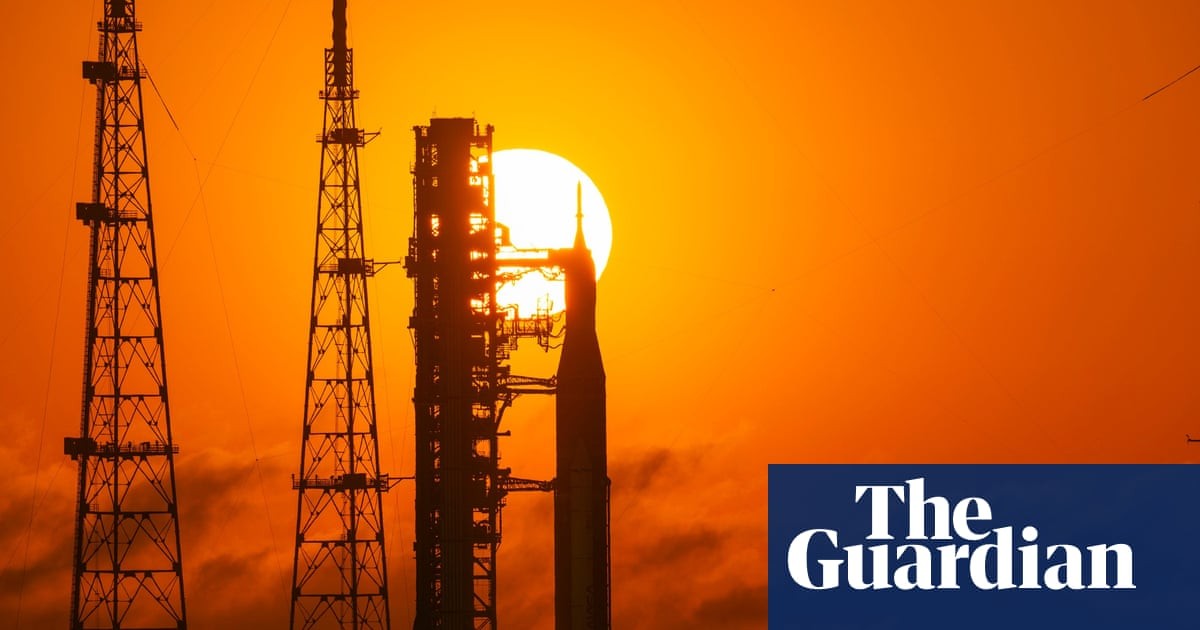
For the first time in nearly six decades, Florida’s Space Coast is experiencing an unprecedented surge of activity as NASA prepares for the Artemis II mission, set to launch on Wednesday at 6:24 PM ET from Cape Canaveral. The impending human return to the moon since 1972 has not only ignited excitement but also spurred a remarkable economic and social renaissance in the region, reversing years of decline following the end of the Space Shuttle program in 2011.
From Decline to Rebirth: A Fifteen-Year Transformation
After the shuttle program’s termination, the Space Coast faced a brutal economic downturn. Thousands lost jobs at the Kennedy Space Center (KSC), property values plummeted, and businesses collapsed. NASA itself lacked independent human launch capabilities, relying on costly rides with Russia’s Roscosmos. It wasn’t until SpaceX, under Elon Musk, began crewed missions from US soil in 2019 that the tide began to turn.
Today, the area surrounding Cape Canaveral, Titusville, and Cocoa Beach is booming. SpaceX and Jeff Bezos’s Blue Origin have invested heavily, constructing facilities that employ thousands and building lunar landers under contract with NASA. These private companies are also developing next-generation heavy-lift rockets – SpaceX’s Starship and Blue Origin’s New Glenn – poised to replace NASA’s expensive Space Launch System (SLS) in the future.
Space Florida reports a $6 billion economic boost from space business last year, with Artemis alone generating 13,000 new jobs and $3 billion in annual spending. The resurgence is visible everywhere: new construction, crowded beaches, and a renewed sense of pride among locals.
Local Impact: Jobs, Tourism, and a Renewed Identity
The revitalization isn’t just economic; it’s cultural. Hotels are booked solid, restaurants are selling themed meals, and the streets are filled with tourists eager to witness history. Titusville, once struggling after the shuttle program’s end, has reinvented itself as “the gateway to nature and space,” attracting both nature enthusiasts and space aficionados.
Mayor Andrew Connors recalls a time when the city’s budget barely covered lawn maintenance for abandoned homes. Now, the region is poised for further growth, with locals joking that its new motto should be “the gateway to Earth.” The Artemis program has instilled a sense of optimism, with residents envisioning a future where the Space Coast is at the forefront of lunar and Martian exploration.
Lessons from the Past: Resilience and Vision
Retired NASA engineer Gary Allgire remembers the desperation following the Apollo and shuttle program cutbacks, when people abandoned homes and businesses shuttered. He credits the new influx of private investment and a more business-friendly local government for the current turnaround.
Former astronaut Don Thomas echoes this sentiment, noting that the traffic along Beachline Expressway—once sparse—is now heavy with visitors and new residents. He believes Artemis II isn’t just about returning to the moon; it’s about inspiring a new generation of space explorers. Today’s children, unlike those who saw Apollo as a distant achievement, now see Mars as their future.
The Artemis launch is more than a mission; it’s a symbol of the Space Coast’s resilience and a testament to the enduring power of human ambition. The region has not only recovered from past setbacks but is now positioned to lead the next era of space exploration.