


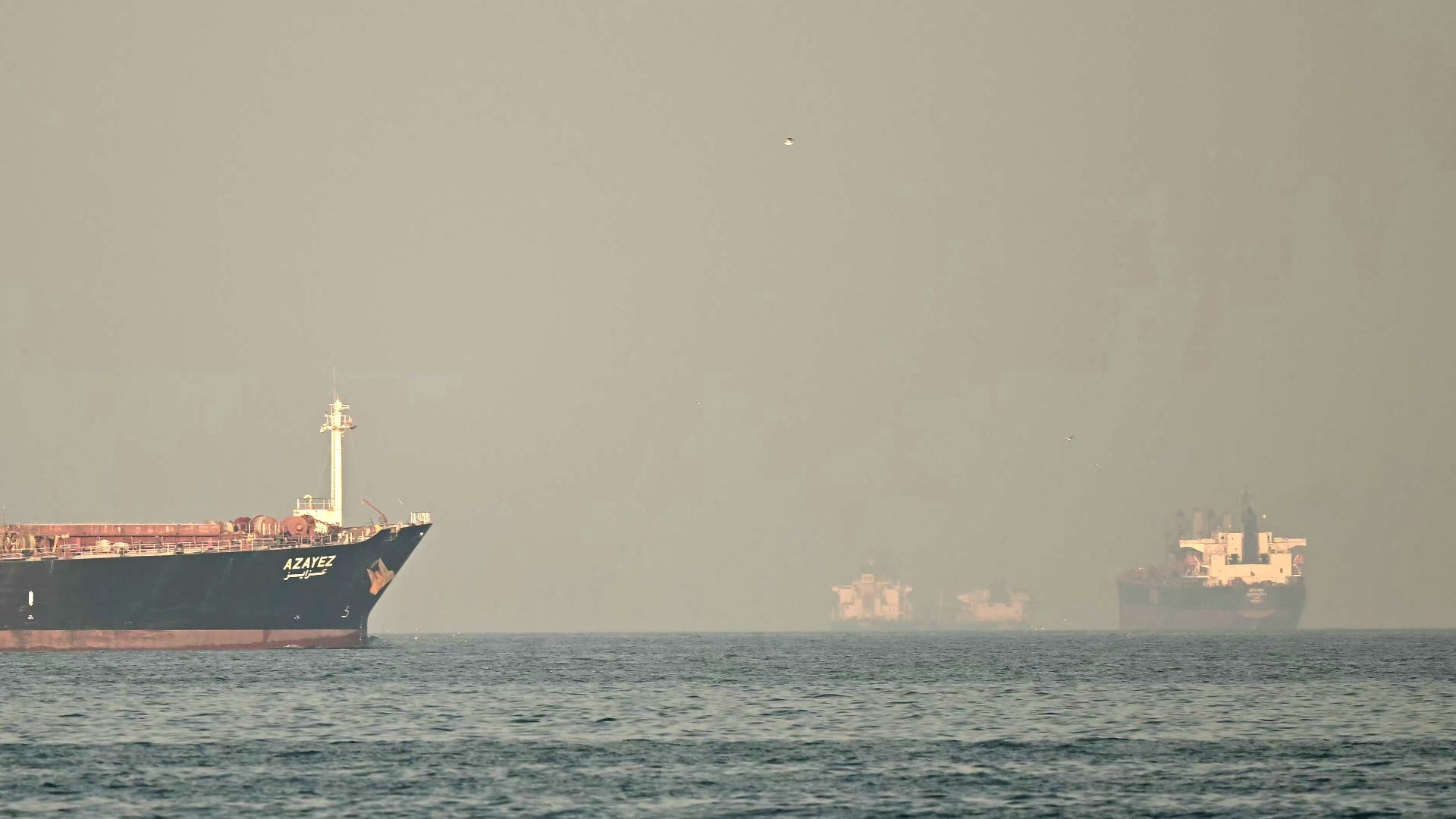
A potential closure of the Strait of Hormuz by Iran, escalating amid ongoing conflict, poses a far greater threat than just higher oil prices. The disruption would trigger a “fertilizer shock” – a sudden spike in fertilizer costs and scarcity – with potentially devastating consequences for global food security. This isn’t merely an energy crisis; it’s a systemic risk to agriculture and the world’s food supply.
The Foundation of Modern Agriculture: Synthetic Nitrogen
Modern farming relies critically on synthetic nitrogen fertilizers, particularly urea, created through the Haber-Bosch process. This chemical revolution, developed in the early 20th century, transformed agriculture by enabling mass production of ammonia from methane. Without this process, global crop yields would collapse, making it impossible to feed today’s population. Roughly one-third of the world’s urea trade passes through the Strait of Hormuz, making it a vital artery for the entire system.
The Persian Gulf’s Central Role in Fertilizer Production
The Persian Gulf region is uniquely positioned as a major fertilizer producer due to its cheap natural gas reserves and decades of capital investment in ammonia and urea plants, primarily geared toward export. Nations like Qatar, Saudi Arabia, and the UAE dominate this trade. Shutting down Hormuz would cripple not just oil and gas exports but also the physical flow of fertilizers and the liquefied natural gas (LNG) needed to produce them elsewhere.
The Immediate and Long-Term Impacts
Initial disruptions would include delayed or prohibitively expensive shipments of ammonia, urea, and LNG. However, the real danger lies in the months that follow. Fertilizer purchases peak before planting seasons, meaning weeks of delay can be critical. Farmers may face impossible choices: pay exorbitant prices, reduce fertilizer use, or alter crops. Even small reductions in nitrogen application lead to disproportionately large yield losses—potentially millions of tons of crops.
Global Dependence on Fertilizer Imports
Many countries are far from self-sufficient in fertilizer production. India relies heavily on Persian Gulf LNG for its domestic urea plants, while Brazil depends on imported nitrogen and phosphate fertilizers for its soybean and maize crops. Even the U.S., a major producer, imports ammonia and urea to meet demand. In sub-Saharan Africa, where fertilizer use is already low, price spikes would worsen food insecurity.
Beyond Nitrogen: Sulphur Supply Chains
The shock wouldn’t be limited to nitrogen. Sulphur, an essential nutrient, is largely a byproduct of oil and gas processing. Disrupting energy shipments through Hormuz would also curtail sulphur production, further restricting fertilizer manufacturing. Synthetic nitrogen production is continuous and tightly linked to energy markets; any disruption immediately constrains supply. Without it, the world could feed only a fraction of its population.
The System’s Fragility and Limited Alternatives
Shifting fertilizer production is not a quick fix. Building new ammonia plants takes years, and a significant contraction in exports from the Persian Gulf can’t be easily offset. Prices would surge, trade flows would reroute, and farmers would make planting decisions under extreme uncertainty. Food price inflation, historically linked to social unrest, could intensify. Central banks may underestimate fertilizer scarcity’s contribution to overall price increases because crop yield declines take months to become evident.
A Silent Threat: The Fertilizer Shock
While oil embargoes are a known risk, the consequences of a fertilizer shock are less immediate but potentially more destabilizing. Energy markets can absorb shocks through reserves and substitutions, but the global food system has far thinner buffers. A prolonged Hormuz closure wouldn’t just reprice crude; it would test the industrial nitrogen cycle that underpins modern civilization.
Oil powers cars; nitrogen powers crops. If the Strait of Hormuz closes, the most consequential price may not be Brent crude but the cost of feeding the world.


