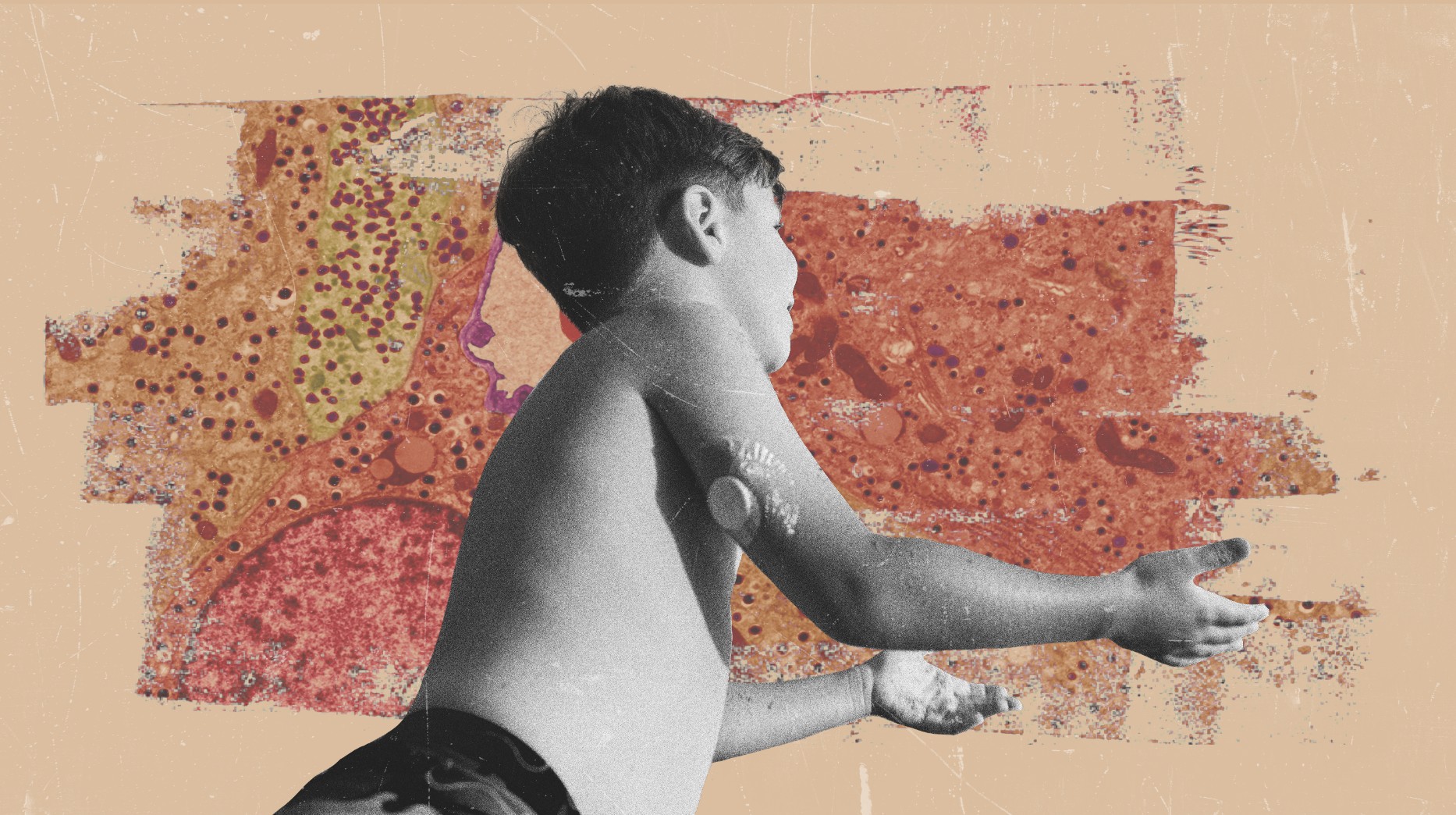
For decades, the type 1 diabetes (T1D) community has shared a running joke: a cure is “always five years away.” For the millions living with the condition, this isn’t just a joke—it is a reflection of a relentless, 24/7 struggle for survival.
While medical advancements since the 1920s have transformed T1D from a certain death sentence into a manageable chronic disease, “management” remains a grueling task. Patients must navigate a constant “blood sugar roller coaster,” balancing diet, exercise, and stress against the risk of life-threatening highs and lows. But according to recent breakthroughs in stem cell research and gene editing, the promise of a functional cure —where the body regains the ability to produce its own insulin—is moving from science fiction toward clinical reality.
The Burden of Management
Type 1 diabetes occurs when the immune system mistakenly attacks and destroys the insulin-producing beta cells in the pancreas. Without insulin, the body cannot move glucose from the bloodstream into tissues for energy, leading to a buildup of sugar in the blood and a starvation of the cells.
Despite the availability of modern insulin pumps and continuous glucose monitors, the disease remains a heavy burden:
– Constant Vigilance: Patients must manage blood sugar levels every minute of every day.
– Physical Toll: Chronic high blood sugar can lead to kidney failure, nerve damage, blindness, and heart disease.
– Mental and Physical Strain: Severe hypoglycemia (low blood sugar) can be fatal within hours, while the daily necessity of injections and sensor changes impacts quality of life significantly.
The Shift from Cadavers to Stem Cells
Historically, the only way to replace lost beta cells was through islet cell transplants from deceased donors. However, this method faces two massive hurdles:
1. Scarcity: There are never enough donor organs to meet the demand.
2. Immune Rejection: Recipients must take harsh immunosuppressive drugs for life to prevent their bodies from attacking the new cells. These drugs carry significant risks, including increased vulnerability to infection and cancer.
The scientific community is now pivoting toward cell replacement therapies using stem cells. Instead of relying on donors, scientists are learning to “program” pluripotent stem cells—cells capable of becoming any type of tissue—to transform into high-quality, functional beta cells.
Breakthroughs in the Lab
Recent clinical trials are showing remarkable promise:
– Vertex Pharmaceuticals: In a recent study published in the New England Journal of Medicine, 10 out of 12 patients who received stem-cell-derived beta cells (VX-880) were able to stop taking insulin a year after the transplant.
– Reprogramming Fat Cells: Researchers in China have successfully reprogrammed a patient’s own fat cells into beta cells, potentially creating a personalized treatment that the body naturally recognizes as “self.”
The “Immune Invisibility Cloak”
Even if scientists can mass-produce perfect beta cells, the body’s immune system will still try to destroy them. This is the final, critical frontier: how to protect new cells without suppressing the entire immune system.
Innovative approaches are currently being tested to make these cells “invisible” to the body:
– Genetic Engineering: Using CRISPR technology, companies like Sana Biotechnology are working to “strip” the cellular fingerprints that tell the immune system a cell is foreign. They are also engineering cells to express a “don’t kill me” molecule that signals immune cells to move along.
– Targeted Signaling: Rather than using broad, toxic immunosuppressants, researchers are testing drugs like tegoprubart. This approach aims to silence only the specific “attack signal” required for rejection, leaving the rest of the immune system intact to fight infections.
The Road Ahead
While the results from early-stage trials are encouraging, several questions remain. Researchers must ensure the long-term safety of gene-edited cells and determine if these treatments can be scaled cost-effectively for millions of people.
The transition from managing symptoms to replacing biology represents a paradigm shift. If these therapies succeed, the next generation of patients may grow up in a world where “managing” diabetes is a thing of the past, replaced by a single, life-changing transplant.
Conclusion: We are entering a new era of diabetes treatment where the goal is no longer just to survive the disease, but to fundamentally replace the biological machinery that was lost. While hurdles in immune evasion and scalability remain, the move toward stem-cell-derived, “invisible” beta cells marks the most significant leap toward a functional cure in a century.