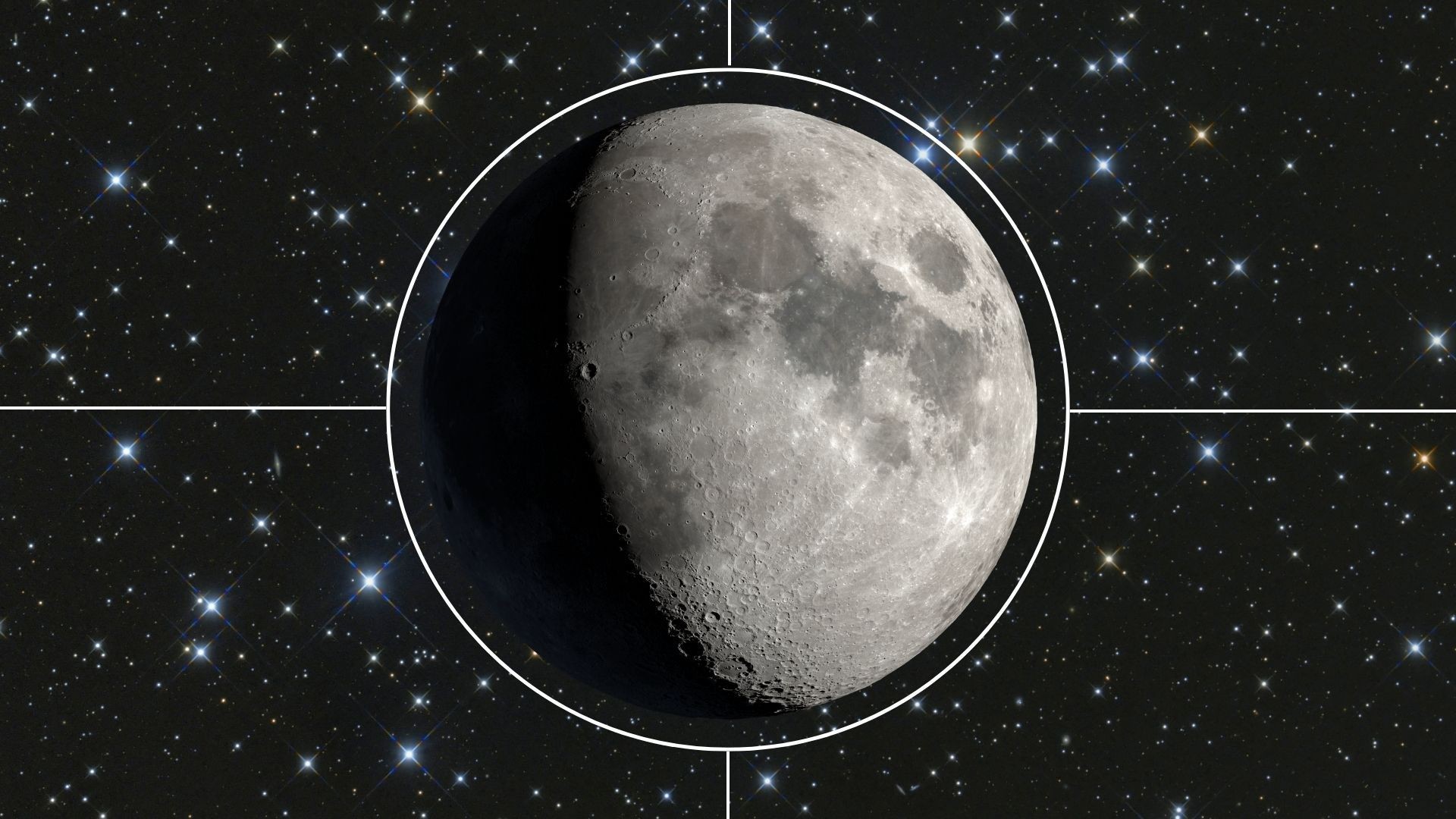
On the night of March 27, the waxing gibbous moon will appear strikingly close to the Beehive Cluster (M44) in the constellation Cancer. This celestial alignment offers a unique opportunity for stargazers to observe both the lunar surface and a rich star cluster in the same field of view.
Lunar Proximity to M44
The moon, 77% illuminated, will be less than 2 degrees above the stars of M44 as darkness falls. Observers in the northern hemisphere will witness the lunar disk drift across the upper stars of the Beehive throughout the night, reaching its closest approach at 23:54 EDT (0354 GMT on March 28).
M44, an open cluster containing roughly 1,000 gravitationally bound stars, appears as a faint, milky patch to the naked eye under ideal conditions. However, the brightness of the waxing moon may make observing the cluster more challenging.
Enhanced Viewing with Binoculars and Telescopes
For a clearer view, binoculars can reveal up to 20 of the cluster’s brightest stars, while a 6-inch telescope will bring dozens more into focus. The Beehive Cluster itself is relatively young, having formed around 600–700 million years ago within the 4.6 billion-year history of the Milky Way galaxy.
Lunar Surface Details
March 27 also presents an excellent opportunity to observe lunar features through a telescope. The terminator—the line separating light and darkness on the moon—will highlight the dark mare regions, which are ancient lava plains filling former impact craters. Prominent craters like Copernicus and Tycho, with their bright streaks of ejected material, will be easily visible.
Copernicus lies near the terminator, while Tycho’s 53-mile-wide basin is situated in the southern lunar highlands.
This event combines the beauty of a waxing moon with the subtle glow of a distant star cluster, making it a rewarding sight for both casual observers and seasoned astronomers.