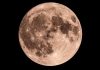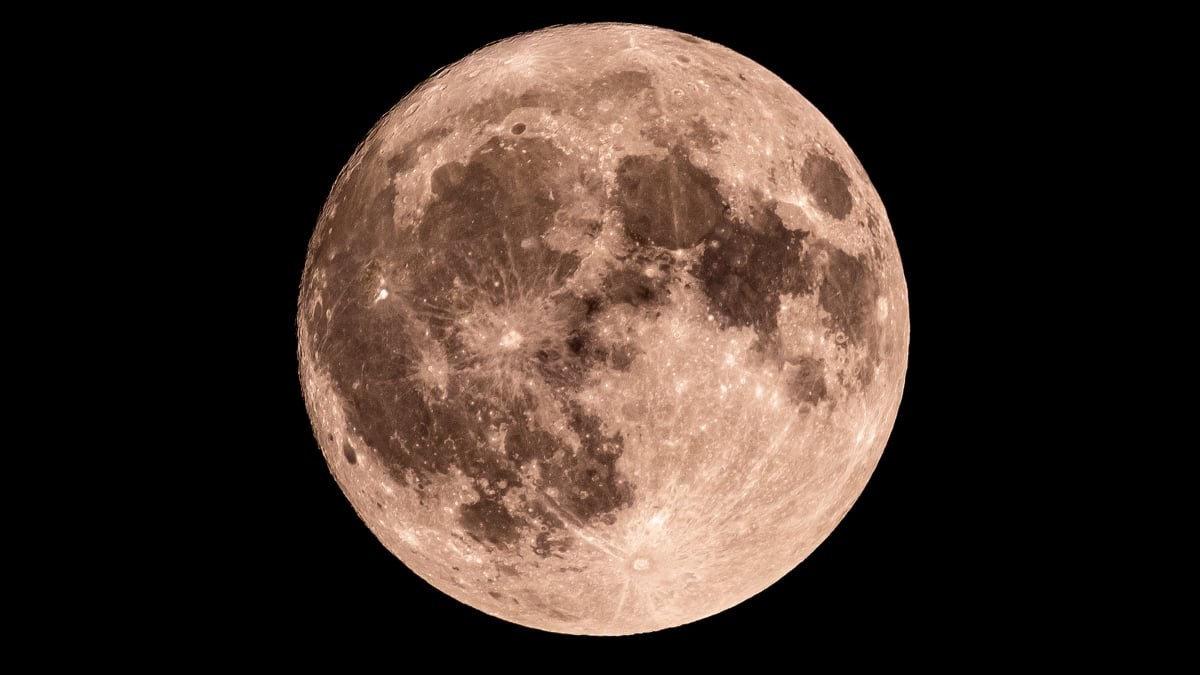
The Moon is approaching its fullest phase, with 92% of its surface illuminated as of March 30, 2026. This means a bright and prominent lunar presence in the night sky. The Moon follows a predictable cycle of phases as it orbits Earth, and this week’s display is a prime example.
What You’ll See Tonight
Under clear skies, observers can expect to see the Moon in its Waxing Gibbous phase. This means it’s more than half lit, but not yet full.
- With the naked eye: Visible features include the Tycho and Kepler Craters, as well as the dark Mare Serenitatis.
- With binoculars: Sharper details will emerge, such as the Mare Frigoris, Archimedes Crater, and the Mare Nectaris.
- With a telescope: Even more detail can be observed, including the Descartes Highlands, Schiller Crater, and the Linne Crater.
The Next Full Moon
The next Full Moon is expected to occur on April 1, 2026, providing an even brighter spectacle. This means the Moon will appear as a perfect, fully illuminated disc in the night sky.
Understanding Lunar Phases
The Moon orbits Earth approximately every 29.5 days, cycling through eight distinct phases. These phases aren’t caused by Earth’s shadow, but by the changing angles at which sunlight illuminates the lunar surface. The same side of the Moon always faces Earth, but as it orbits, we see different amounts of its lit portion.
Here’s a breakdown of the eight phases:
- New Moon: The Moon is between Earth and the Sun, making it appear dark from our perspective.
- Waxing Crescent: A sliver of light appears on the right side (in the Northern Hemisphere).
- First Quarter: Half of the Moon is lit on the right side.
- Waxing Gibbous: More than half is lit, but not yet full.
- Full Moon: The entire visible surface is illuminated.
- Waning Gibbous: The Moon begins to lose light on the right side.
- Third Quarter (or Last Quarter): Half of the Moon is lit on the left side.
- Waning Crescent: A thin sliver of light remains on the left side before disappearing again.
The lunar cycle is a fundamental aspect of astronomy, impacting tides, cultural traditions, and even some animal behaviors. Understanding these phases connects us to the natural rhythm of our solar system.
The Moon’s current phase is a reminder of the constant, yet subtle, changes that occur in our night sky. By observing these shifts, we gain a deeper appreciation for the celestial mechanics that govern our planet.