Researchers have successfully created functional human egg cells directly from skin cells in a laboratory setting, marking a significant advancement in reproductive technology. This breakthrough, published in scientific journals, eliminates the need to harvest eggs from donors, a process that is often invasive and ethically complex.
The Science Behind the Breakthrough
The process involves reprogramming adult skin cells into induced pluripotent stem cells (iPSCs), which have the potential to develop into any cell type in the body. These iPSCs are then guided to differentiate into primordial germ cells (the precursors to egg and sperm cells), and finally, into mature egg cells capable of being fertilized.
Key Definitions:
- DNA: The genetic blueprint that dictates cellular function.
- Egg: A reproductive cell containing half the genetic material for a new organism.
- Fusion: The merging of an egg and sperm to create a zygote.
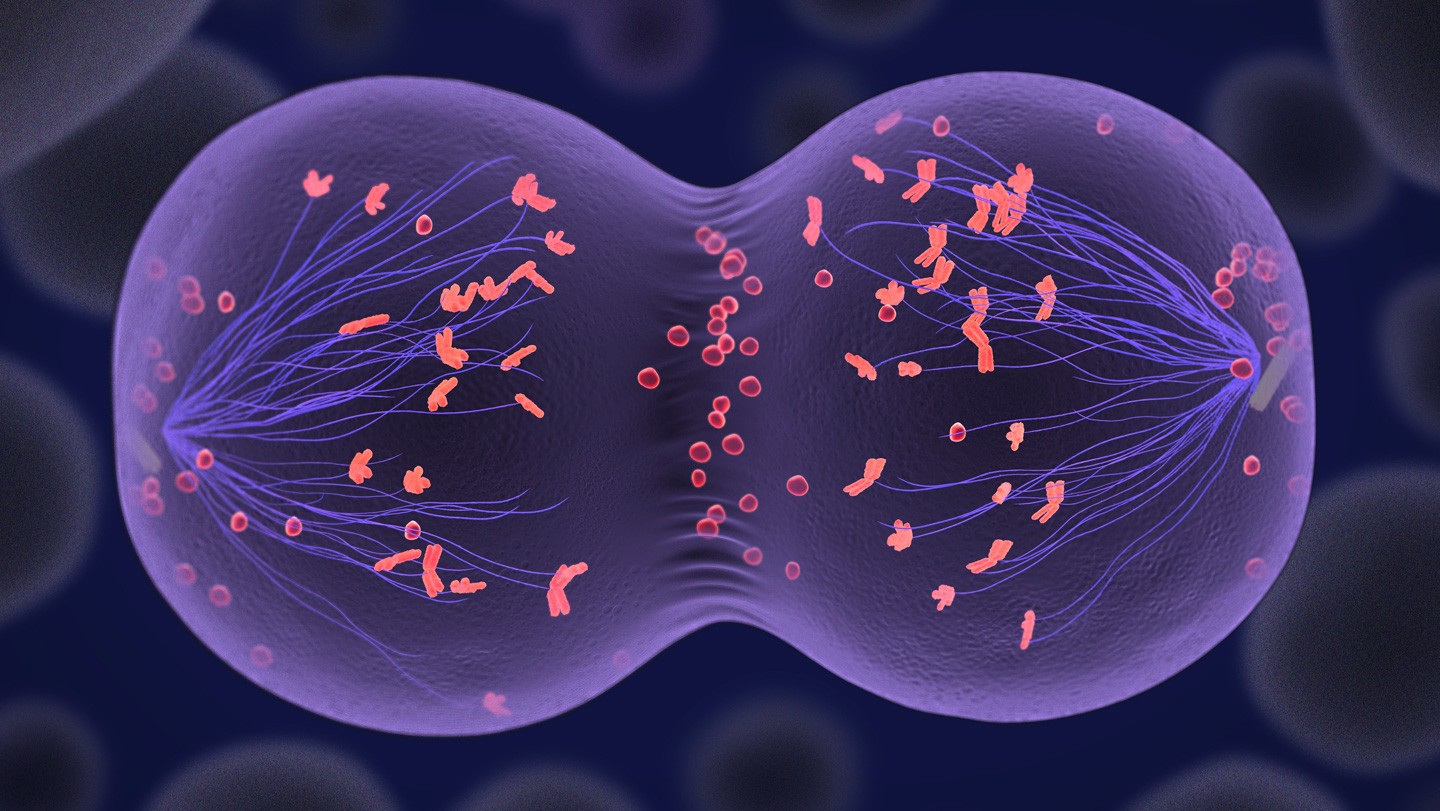
- Chromosome: A threadlike structure containing genes.
Why This Matters
The implications of this technology are broad. For individuals who cannot produce eggs naturally, such as those undergoing cancer treatment or with genetic predispositions, this offers a potential path to biological parenthood. It also bypasses the limitations of egg donation, which can be expensive and ethically fraught.
Cancer and Cell Growth: The rapid, uncontrolled growth of abnormal cells, known as cancer, highlights the importance of cellular regulation in reproduction.
The process of egg creation has been made more efficient by this method.
Technical Details
The study involved the use of specific chemical compounds to manipulate cell differentiation. Researchers were able to coax iPSCs into forming structures resembling ovarian follicles, the sacs within the ovaries that house developing eggs. The resulting egg cells were capable of being fertilized in vitro, although the resulting embryos were not carried to term.
Clinical Trials: Further research will involve clinical trials to ensure safety and efficacy before widespread application.
Future Outlook
This technology could revolutionize infertility treatments and potentially lead to the creation of artificial gametes, reproductive cells produced entirely in a lab. While ethical debates around genetically modified reproduction are likely to intensify, the scientific potential is undeniable. The ability to bypass biological limitations opens new possibilities for assisted reproductive technologies.
The creation of human egg cells from skin cells is not just a scientific triumph; it’s a paradigm shift in reproductive biology.