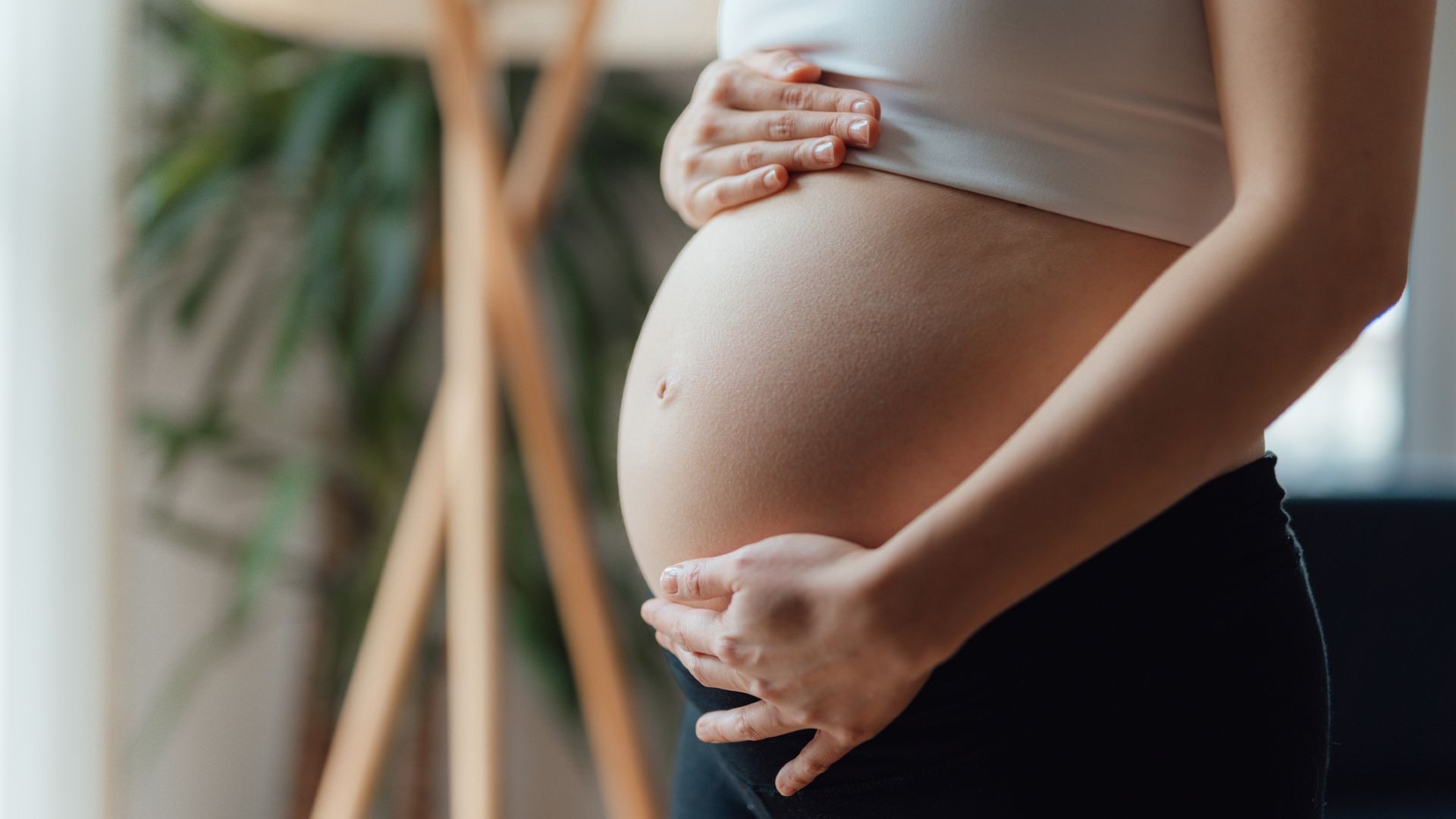
Recent research confirms that COVID-19 infection during pregnancy substantially increases the risk of preeclampsia, a dangerous blood pressure disorder, but vaccination offers strong protection against this complication. The findings, published in eClinicalMedicine, reinforce current health recommendations for pregnant individuals.
The Link Between COVID-19 and Preeclampsia
Studies have long established that COVID-19 can negatively impact pregnancy outcomes. This new analysis of over 6,500 pregnant women across 18 countries reveals that contracting the virus raised the risk of preeclampsia by 45% compared to those who remained uninfected. The risk was even higher – 78% – among unvaccinated pregnant women who caught COVID-19.
The surge in preeclampsia cases during the pandemic suggests a clear link between viral infection and the condition. Preeclampsia, affecting 3–8% of pregnancies, is characterized by persistent high blood pressure, often with protein in the urine (indicating kidney damage). It can lead to severe complications, including organ failure, seizures, and even death for both mother and baby.
Vaccination Provides Measurable Protection
Vaccination against COVID-19 significantly lowered the risk of preeclampsia. Participants who completed an initial vaccine regimen and received an updated booster saw their risk fall by 33% overall. This protection was even more pronounced in women with preexisting conditions like diabetes, where booster doses reduced risk by 58%.
Researchers theorize that vaccines protect against preeclampsia by reducing the likelihood of COVID-19 infection and severe illness. They also suggest vaccination may bolster the overall immune system, potentially protecting against other triggers of blood vessel dysfunction – a key factor in preeclampsia development.
What This Means for Pregnant Individuals
The study reinforces guidance from the American College of Obstetricians and Gynecologists, which recommends COVID-19 vaccination for pregnant individuals at any stage, including while trying to conceive, during pregnancy, or while breastfeeding. Booster shots appear to provide additional defense, aligning with earlier research showing vaccinated women had lower rates of preterm birth and other adverse outcomes.
While the study controlled for many risk factors, further research is needed to fully understand the complex interplay between the immune system, viral infections, and the development of preeclampsia.
“Vaccinations are safe and are protective for several risks,” Dr. Elena Raffetti of the Karolinska Institute in Sweden stated. “There was not at all an increased risk of preeclampsia among women who were vaccinated.”
Ultimately, these findings underscore the critical role of vaccination in safeguarding maternal and fetal health during and beyond the COVID-19 pandemic.