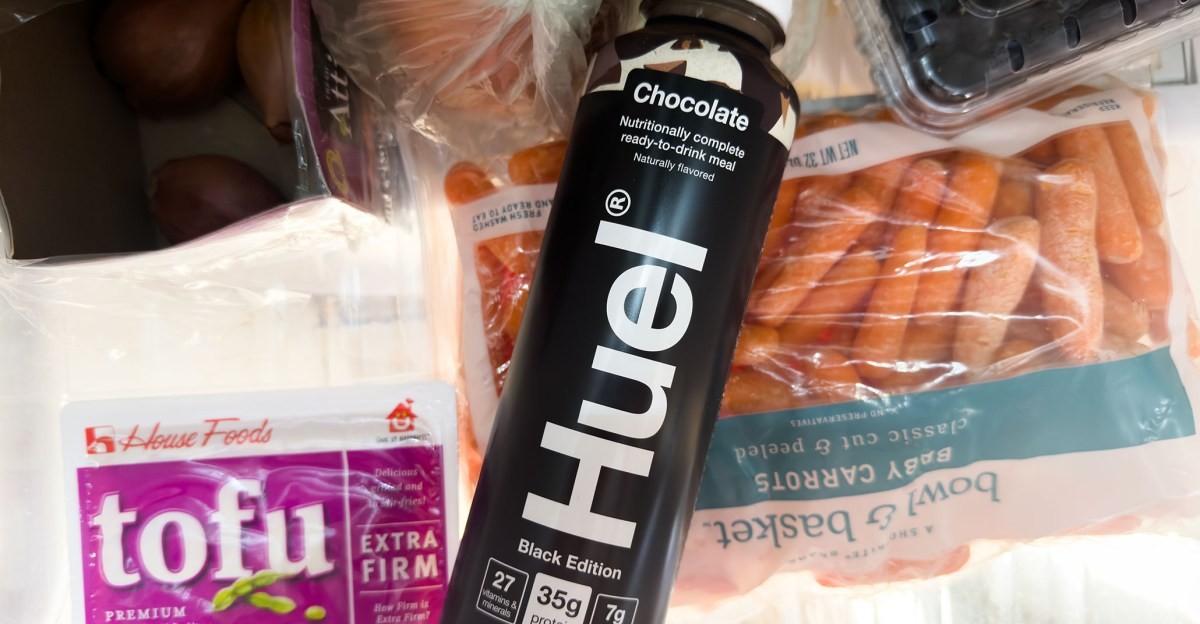
The wellness industry thrives on solving problems people didn’t know they had, and Huel is a prime example. While marketed as a convenient and “nutritionally complete” solution, the brand taps into a deeper trend: the increasing pressure to optimize every aspect of life, including how we fuel our bodies. This isn’t just about convenience; it’s about selling the idea that traditional eating is inefficient, burdensome, and even inferior to a scientifically engineered alternative.
From Rock Bottom to Meal Replacement: The Rise of Nutritional Convenience
The story begins with a personal anecdote – the author’s own experience with involuntary fasting during a period of intense personal and health crises. Forced to rely on meal replacements, the author illustrates the desperation that drives people toward such solutions. Huel now weaponizes that desperation in its marketing, framing its products as a lifeline for the overworked, overwhelmed, and emotionally drained.
The company’s ads directly acknowledge real-life stressors: breakups, job loss, promotions, simply “surviving the day.” This isn’t just advertising; it’s tapping into the collective anxiety of a society that equates self-care with optimization and productivity. Huel sells not just nutrition, but a promise of effortless control in a chaotic world.
Science-Washed Marketing and Celebrity Endorsements
Like other players in this space (AG1 being a notable comparison), Huel relies on pseudo-scientific language. Terms like “scientifically supported” and “nutrient-dense” are thrown around liberally, often without meaningful context. The company also leverages celebrity endorsements – Idris Elba, Alex Rodriguez, Steven Bartlett – lending an air of credibility that often outweighs actual substance.
The marketing playbook is clear: if it looks healthy, sounds healthy, and is promoted by people who appear healthy, it must be healthy. This approach bypasses critical thinking and taps into the desire for quick, easy solutions.
The Complicated Reality of Meal Replacements
Despite the marketing hype, meal replacements aren’t a magic bullet. While they can deliver essential nutrients, the body doesn’t process them the same way as whole foods. Absorption rates are lower, and processing can degrade potency. Moreover, brands like Huel often rely on controversial ingredients like chicory root fiber (inulin), which can cause digestive issues in some people.
Huel’s own study, conducted in 2022, showed that participants subsisting solely on its product for four weeks didn’t die. This isn’t exactly a groundbreaking revelation. The study also revealed that weight loss occurred primarily because participants couldn’t consume enough calories on Huel alone – a far cry from the product being inherently “healthy.”
The Fine Print and Regulatory Issues
Huel isn’t above questionable practices. The UK’s Advertising Standards Authority banned several of its ads for misleading claims, including one featuring podcaster Steven Bartlett, who failed to disclose his financial ties to the company. The brand also overstated the cost savings of using Huel, claiming it could be as low as £50 per month when, in reality, a more realistic cost was £350.
This deceptive marketing isn’t accidental. It’s a calculated strategy to exploit consumer trust and capitalize on the desire for convenience. Huel understands that people are willing to pay a premium for a solution that promises health without effort.
The Verdict: A Temporary Fix, Not a Lifestyle
At the end of the day, Huel is a tool, not a panacea. It can be useful in specific circumstances – post-surgery recovery, chronic illness management, or as an occasional substitute for unhealthy fast food. But relying on it as a long-term solution is misguided. The product tastes like chalk, lacks the satisfaction of real food, and doesn’t address the underlying issues driving the need for such extreme convenience.
Like Soylent before it, Huel plays into the narrative that eating well is a burden. This is a dangerous idea. While Huel may offer a temporary fix for a broken system, it doesn’t solve the real problem: the systemic pressures that make people feel too busy, too stressed, or too overwhelmed to feed themselves properly.